
At a Glance
- Global market valuation stood at $23.32 billion in 2023.
- Compound annual growth rate projected at 19.10% through 2032.
- Electric vehicle battery production remains the primary growth driver.
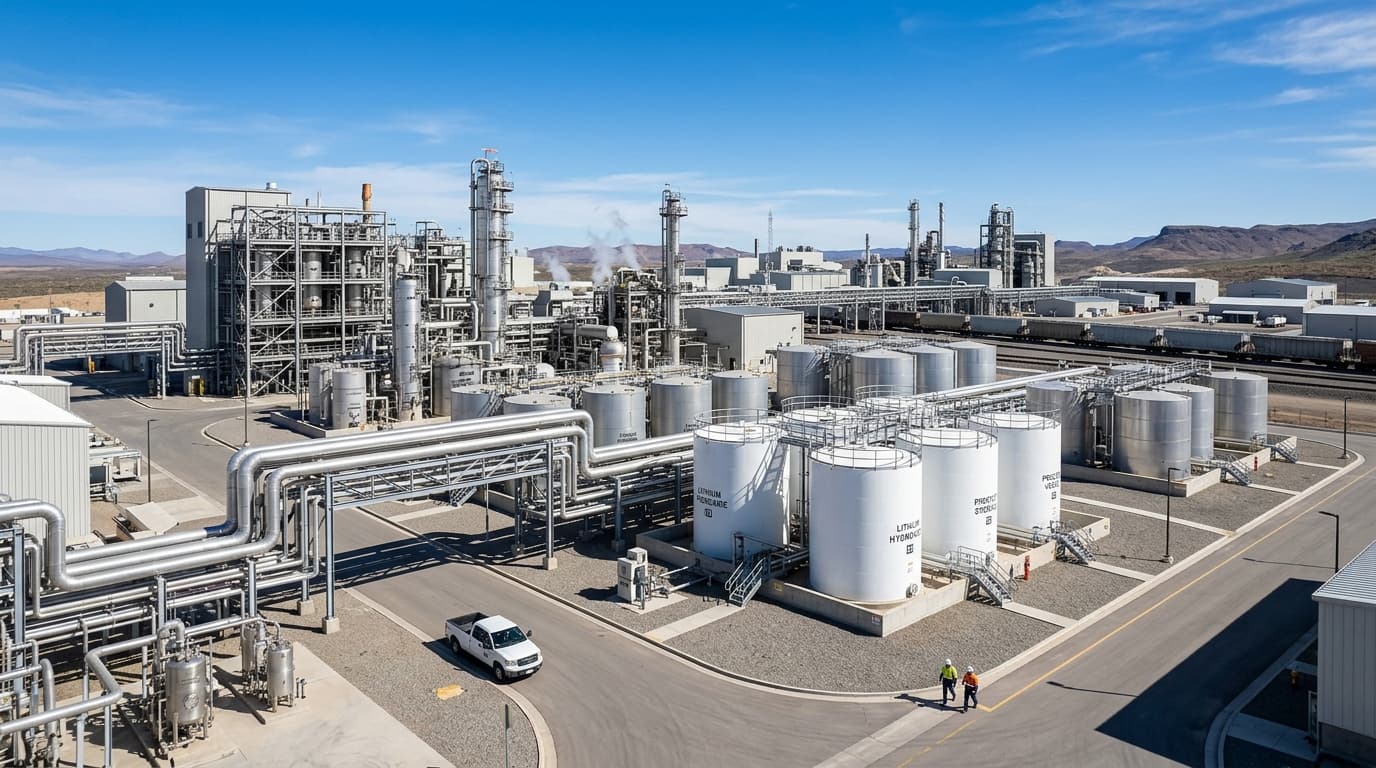
The global lithium carbonate market reached a valuation of $23.32 billion in 2023, driven by the accelerating shift toward electric mobility and renewable energy storage. Industry forecasts suggest the sector will expand to $111.45 billion by 2032, representing a compound annual growth rate of 19.10%. This growth reflects the significant role of lithium-ion batteries in modern technology and international decarbonization efforts. Manufacturers are currently scaling operations to meet the rising requirements of the automotive and electronics industries.
Industrial Demand and Battery Grade Specifications
The surge in electric vehicle adoption stands as the most significant factor influencing current market dynamics. Battery-grade lithium carbonate is the preferred material for lithium-iron-phosphate batteries, which offer safety and cost advantages for mass-market vehicles. Major industry participants like Albemarle Corporation are increasing production capacity to keep pace with these evolving industrial requirements.
Global demand for portable electronics also contributes to steady consumption patterns across the sector. Smartphones, laptops, and wearable devices rely on high-energy-density batteries that utilize lithium derivatives for efficient power management. As consumer electronics become more sophisticated, the need for high-purity battery materials continues to rise across international borders.
Renewable energy storage systems represent another expanding segment for lithium carbonate usage in the current economy. Utilities use these large-scale batteries to stabilize power grids and store energy generated from wind and solar sources. This application helps manage the intermittency of renewable power, making green energy more reliable for commercial and residential use worldwide.
The market is also segmented by grade, with industrial-grade lithium carbonate serving the glass and ceramics industries. These sectors utilize the compound to reduce melting temperatures and improve the strength of finished products. While the battery segment grows faster, these traditional industrial applications provide a stable foundation for the overall market.
"The rapid expansion of the electric vehicle sector is fundamentally reshaping the supply chain for battery raw materials. We expect sustained investment in extraction and refining processes to address the widening gap between supply and projected demand."
— Akash Debnath, Lead Analyst at SNS Insider
Regional Market Dynamics and Environmental Factors
The Asia Pacific region currently dominates the market, accounting for a substantial portion of both production and consumption. China remains the central hub for battery manufacturing and electric vehicle sales, supported by established infrastructure and supply chains. Other nations in the region are also investing in processing facilities to reduce dependence on external suppliers for battery materials.
North America and Europe are experiencing rapid growth as they develop domestic battery supply chains to support local automotive manufacturing. Legislative support and subsidies for clean energy technology are encouraging companies to build new lithium processing plants. These regions aim to secure their energy future by localizing the production of essential battery components.
Environmental concerns regarding lithium extraction present a significant hurdle for the industry to address. Traditional brine evaporation and hard-rock mining require intensive water usage and can impact local ecosystems in mining regions. Companies are now researching more efficient extraction methods, such as direct lithium extraction, to minimize their ecological footprint during the production process.
Price volatility remains a constant factor for stakeholders in the lithium carbonate market to monitor. Fluctuations in raw material costs can affect the profit margins of battery producers and final vehicle prices for consumers. Market participants are increasingly entering long-term supply agreements to mitigate the risks associated with these sudden price shifts in the global market.
The lithium carbonate sector is positioned for significant transformation over the next decade as technology improves. As the world moves toward a low-carbon economy, the demand for reliable energy storage solutions will likely intensify across all continents. Success for market participants will depend on their ability to balance production growth with environmental responsibility and technical efficiency. The shift toward electrification ensures that lithium will remain a central component of the global energy transition for the foreseeable future.