
At a Glance
- Author Jeff Hendricks releases Adventure: Antarctica!, a YA survival novel set on the world's coldest continent.
- The book follows high school senior Danny Gage on a last-minute scientific expedition to Antarctica.
- Hendricks uses real-world environmental and geographical data to anchor the coming-of-age narrative.
Adventure: Antarctica! Review — Jeff Hendricks Brings Young Adult Fiction to the Ice
Author Jeff Hendricks has released Adventure: Antarctica!, a Young Adult survival novel that combines rigorous scientific grounding with a deeply personal coming-of-age story. Published by Century House Publications, the 445-page debut holds a perfect 5.0-star rating and marks a compelling entry into the niche of realistic frontier fiction aimed at teen and young adult readers.
From Hawaii to the Ice: The Story of Danny Gage
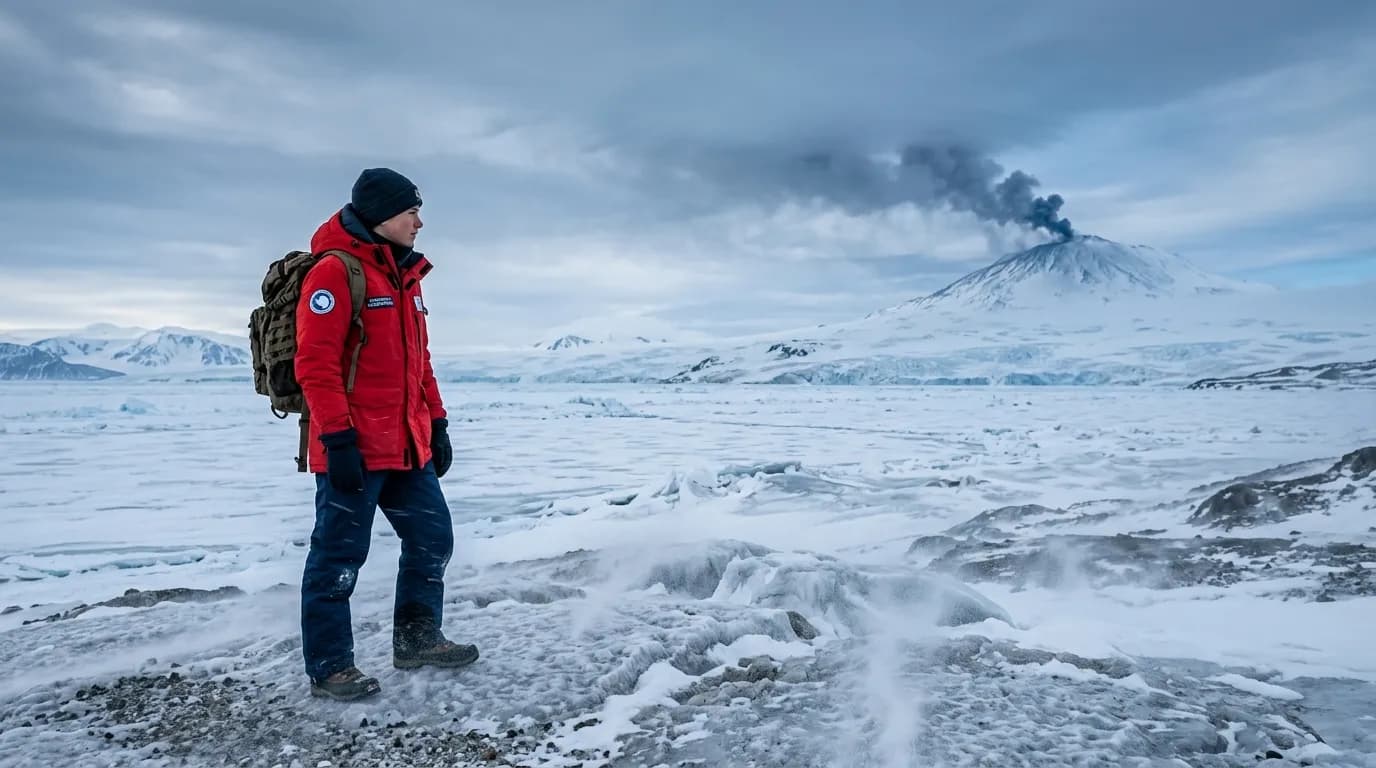
At the centre of the novel is Danny Gage, a high school senior whose life unravels before the story truly begins. His ambitions as a soccer player have collapsed, a significant relationship has ended, and his family is fracturing around him. What was supposed to be a straightforward internship in Hawaii becomes something far more demanding when Danny receives a last-minute placement on a scientific expedition to Antarctica — a continent of active volcanoes, impassable crevasses, and temperatures that test the limits of human survival.
The abrupt shift from the familiar to the extreme is the engine of the narrative. Hendricks uses the contrast between Danny's original plans and his new reality to explore how adversity reshapes identity. The ice becomes more than a setting — it functions as a mirror, reflecting back everything Danny believed about himself and forcing him to discover strengths that his former life as a student and athlete never demanded. Each environmental challenge requires not only physical endurance but a recalibration of purpose that Danny had not anticipated needing so soon.
Scientific Accuracy as a Storytelling Tool
One of the most distinctive features of Adventure: Antarctica! is Hendricks's commitment to factual environmental detail. Rather than treating the Antarctic backdrop as purely decorative, the author integrates real locations and research conditions into the plot. Danny moves through named, verifiable sites including McMurdo Station — the primary US research base on the continent — as well as Wright Valley and Lake Vanda, where the story introduces the scientific phenomenon of stratified waters and cyanobacteria. The looming presence of Mount Erebus, one of the world's few active volcanoes situated near a permanent research station, adds geological tension that distinguishes the book from more conventional polar fiction.