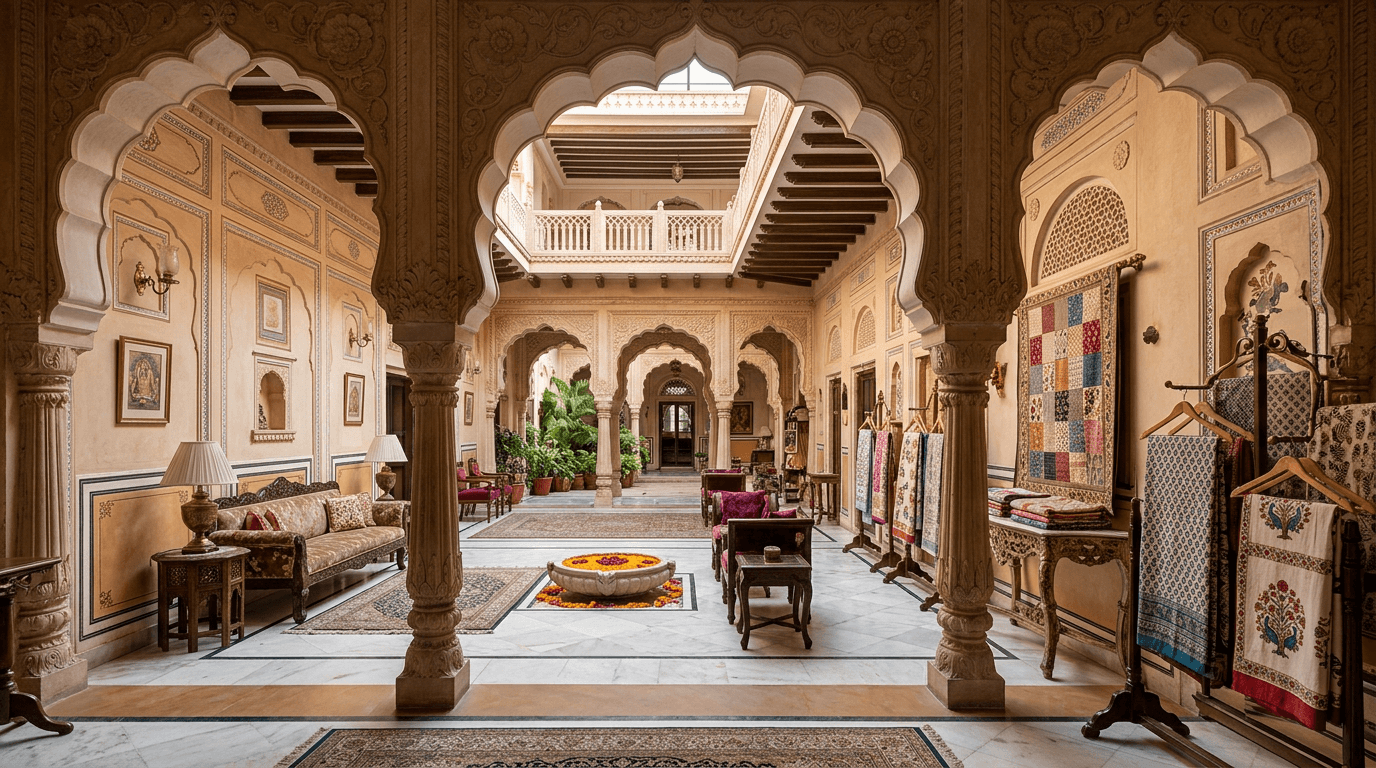
The Johri, Jaipur announces a formal partnership with the Princess Diya Kumari Foundation.
Collaboration integrates traditional Rajasthani textiles into the luxury hospitality sector.
Initiative provides retail space and market access for women-led artisanal collectives.
The Johri, Jaipur, a boutique heritage property located in the historic center of the Pink City, has finalized a partnership with the Princess Diya Kumari Foundation (PDKF). This business arrangement seeks to integrate the work of local women artisans into the luxury guest experience. By featuring handcrafted products and sharing the narratives of their creators, the hotel intends to connect high-end tourism with community-based economic development. The collaboration launched this month to highlight the economic contributions of women in the Rajasthan region.
Preserving Rajasthani Craftsmanship and Heritage
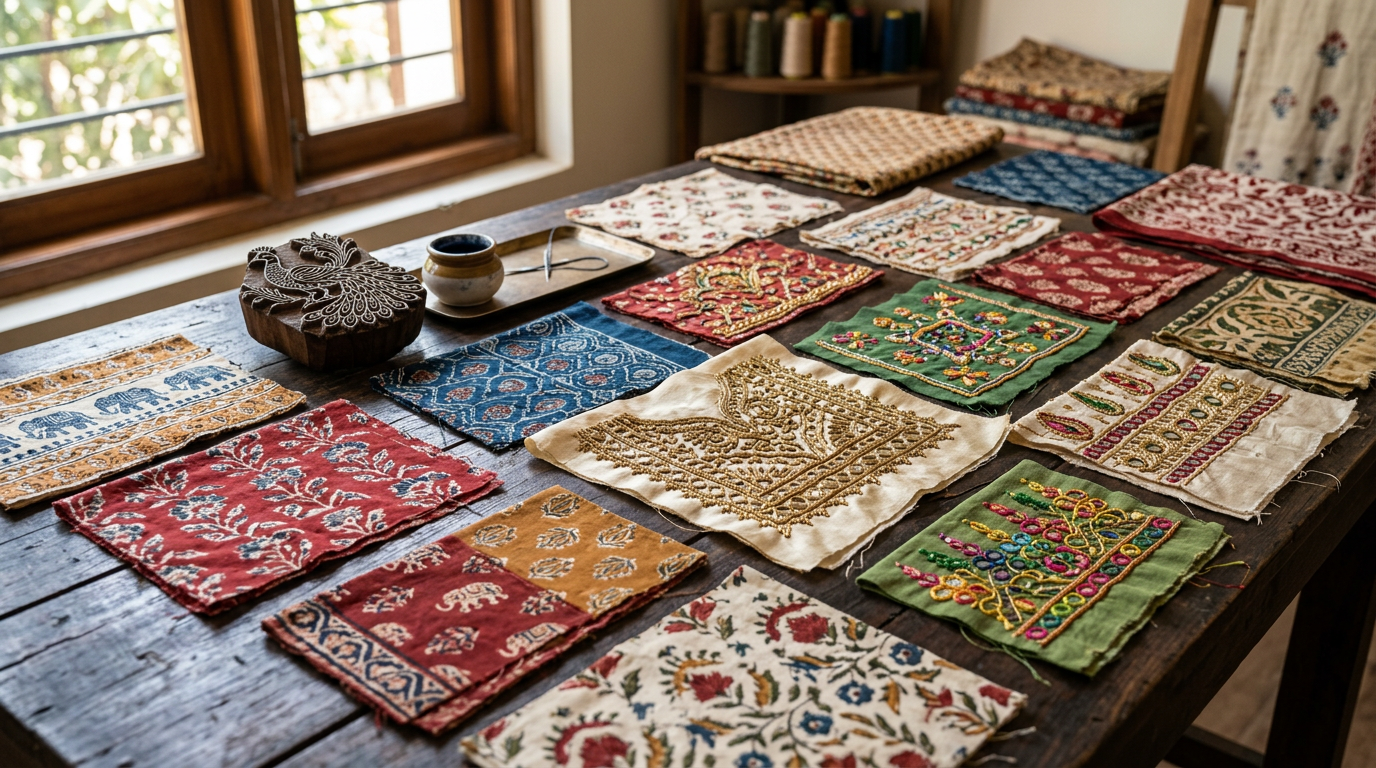
The partnership centers on the integration of products from the PDKF Store within the hotel’s curated retail environment. Guests can now purchase a range of apparel and home décor items created using traditional techniques such as Gotapatti and hand-block printing. These methods have been passed down through generations in Rajasthan but often lack direct access to international luxury markets. The arrangement allows The Johri, Jaipur to offer visitors a tangible connection to the region's artistic heritage through verified local production.
The hotel serves as a platform for these goods, placing them in a setting that reflects their cultural and economic value. Management believes that modern travelers increasingly seek products with documented origins and clear social impact. Each item sold through this collaboration supports the livelihoods of women living in and around the city. The PDKF provides the training and infrastructure necessary for these artisans to professionalize their skills for a global audience.
By securing a presence in a high-traffic luxury venue, the foundation expands its reach to a demographic that values artisanal quality. The hotel’s interior design, which already emphasizes local materials, provides a natural backdrop for these textiles. This physical proximity between the guest and the craft encourages a deeper understanding of the local economy. It also ensures that the financial benefits of tourism are distributed more widely among the city's residents.
"This collaboration is about more than just aesthetics; it is about honoring the hands that keep our traditions alive. We want our guests to understand the history and the person behind every stitch they see in our hotel."
— Naina Singh, Co-founder at The Johri, Jaipur
Jaipur Hotel Partners With Local Women Artisans
Economic Impact and Social Development Goals
The Princess Diya Kumari Foundation operates several training centers where women learn tailoring, embroidery, and other skilled trades. These facilities serve as hubs where participants gain financial literacy alongside their technical training. The partnership with the hospitality sector provides a consistent demand for their output, which helps stabilize income for many local families. This steady revenue stream allows the foundation to plan long-term educational programs for its members.
Princess Gauravi Kumari, who leads the PDKF Store, emphasizes the importance of adapting traditional designs for modern tastes. This strategy ensures that local crafts remain competitive in the global fashion and home goods industries. By combining heritage skills with modern design, the artisans can command higher prices in the luxury market.
Financial independence remains the primary goal of the collaboration for the participating women. Many of these artisans previously lacked personal bank accounts or steady employment opportunities outside the home. The revenue generated through the hotel's retail presence contributes to a cycle of reinvestment in local health and education programs. This model demonstrates how luxury brands can support regional development without sacrificing their high-end brand identity.
This collaboration reflects a broader trend in the hospitality industry toward social responsibility and hyper-local sourcing. As travelers prioritize ethical consumption, properties like The Johri are positioning themselves as facilitators of cultural exchange. The success of this initiative may serve as a model for other luxury brands looking to integrate community welfare into their core business operations. Continued growth for the PDKF Store indicates a strong market appetite for heritage-driven products that support social equity in developing regions.
Stay Ahead of the News
Get the latest business news and company spotlights delivered to your inbox. No spam, unsubscribe any time.