
At a Glance
- Global market valuation projected to reach $1.2 trillion by 2030
- Sector maintaining a compound annual growth rate of 8.4%
- E-commerce expansion and consumer demand drive rapid fulfillment needs
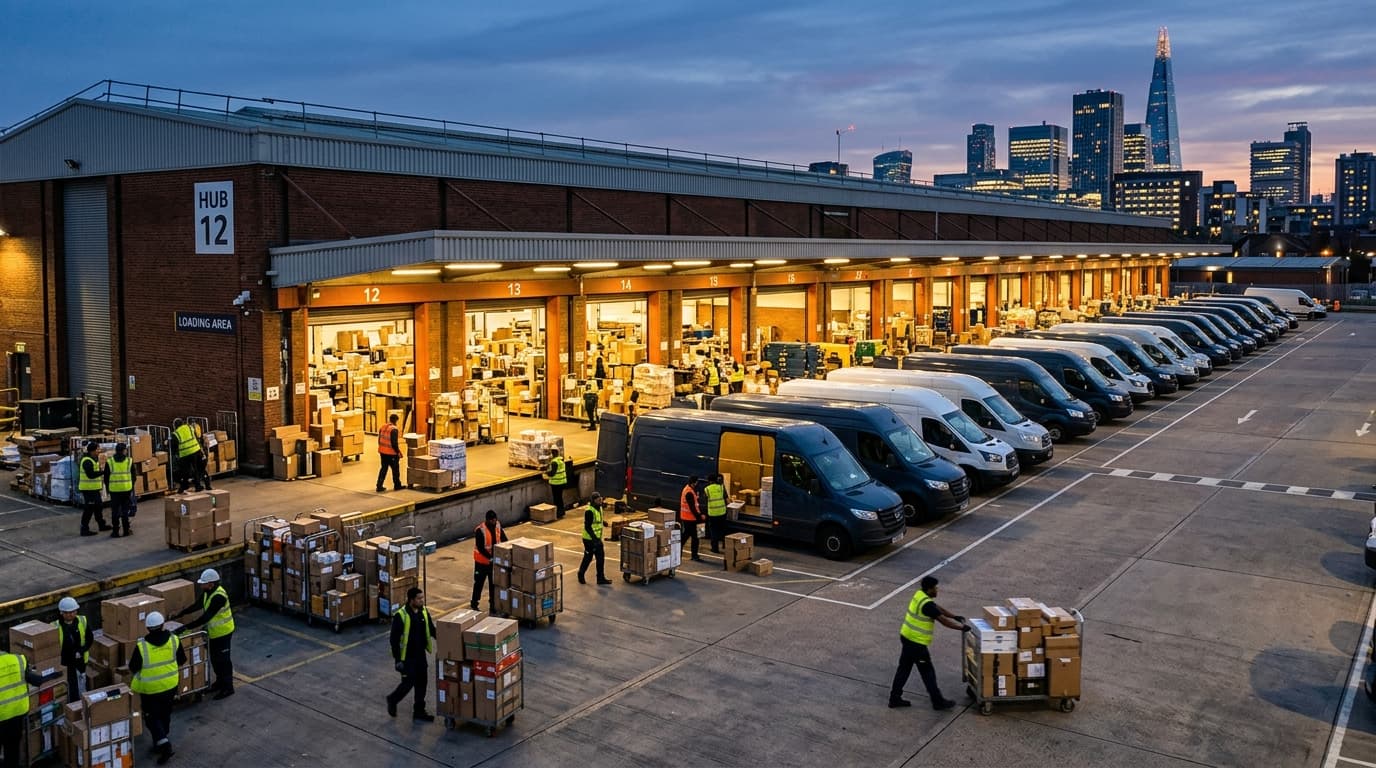
The global instant shipping market is poised for significant expansion, with new projections indicating the sector will reach a valuation of $1.2 trillion by 2030. According to the latest industry data from Intellectual Market Insights Research, the market is maintaining a steady compound annual growth rate of 8.4% from its 2022 baseline. This surge is driven primarily by the rapid evolution of digital retail and shifting consumer expectations regarding delivery speed. Logistics providers are now forced to prioritize rapid fulfillment to remain competitive in a digital-first economy.
Demand Drivers and Market Segmentation
The rise of same-day and sub-two-hour delivery services has transformed the retail sector over the last five years. Consumers increasingly view rapid shipping as a standard requirement rather than a premium add-on for their online purchases. This shift forces traditional retailers to adopt new logistics models to compete with digital giants that have already optimized their distribution networks. The pressure to deliver goods within minutes is reshaping the physical layout of urban supply chains.
Food and beverage delivery currently holds the largest share of the instant shipping market due to high frequency and immediate consumption needs. The expansion of third-party delivery platforms has created a vast infrastructure for local transport that did not exist a decade ago. This infrastructure now supports diverse sectors including pharmaceutical supplies and high-value electronics that require urgent handling. Market analysts expect these non-food categories to see the highest percentage of growth through the end of the decade.
Healthcare logistics represents a growing segment within the market as medical facilities require faster turnaround times. Hospitals and clinics require the immediate transport of time-sensitive medical supplies, specialized equipment, and diagnostic samples. Market analysts expect this specialized niche to contribute significantly to overall revenue growth as healthcare providers look to improve patient outcomes through faster logistics. The integration of temperature-controlled transport for sensitive medications is also a major factor in this sector's expansion.
Urbanization plays a central role in the feasibility of instant shipping models because population density supports shorter transit distances. Dense city centers allow for the effective use of micro-fulfillment centers located close to the end user. These facilities reduce the "last-mile" distance, which remains the most expensive and complex part of the entire supply chain. By positioning inventory closer to residential areas, companies can meet the strict time windows required by modern shoppers.
"The shift toward immediate gratification in the retail space is no longer a trend but a fundamental change in consumer behavior. Companies that fail to integrate rapid delivery systems risk losing market share to more agile competitors."
— Smita Deshmukh, Lead Analyst at Intellectual Market Insights Research
Regional Performance and Technological Integration
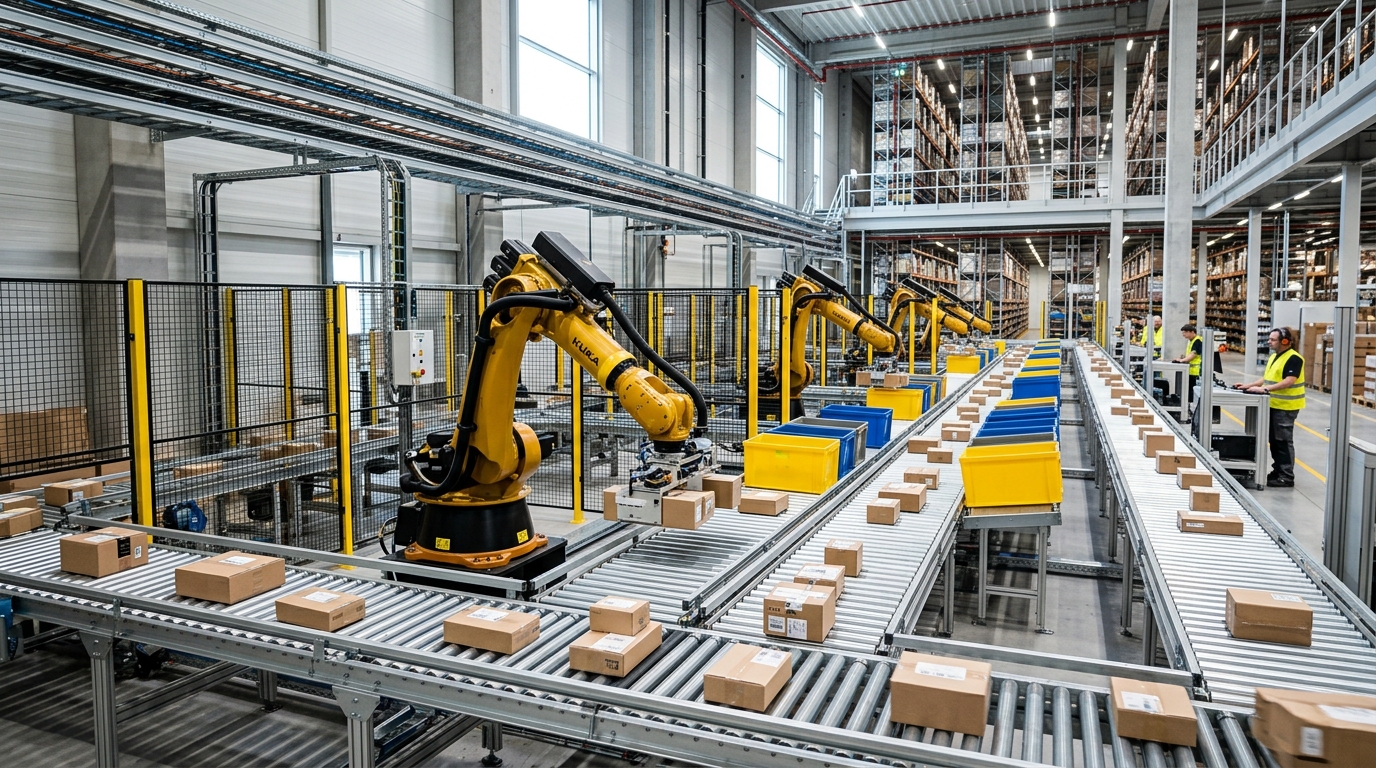
North America remains the dominant region in the global market due to its advanced logistics infrastructure and high consumer spending power. The presence of major industry players provides a stable foundation for testing new delivery technologies and distribution methods. Investment in automated sorting facilities has increased operational efficiency across the continent while reducing the time between order placement and dispatch. Large-scale retailers in the United States are currently leading the transition toward fully integrated rapid delivery networks.
The Asia-Pacific region is expected to register the highest growth rate during the forecast period as internet penetration increases. Rapid digitalization in countries like India and China is creating millions of new online shoppers every year who expect modern delivery standards. Local startups are receiving heavy venture capital funding to build out localized delivery networks that can handle high volumes in mega-cities. This regional growth is supported by government initiatives aimed at improving national transportation infrastructure and digital payment systems.
Technology remains the primary catalyst for market evolution as companies seek ways to lower overhead costs. Artificial intelligence and machine learning are being used to optimize delivery routes and predict consumer demand patterns with high accuracy. These tools help companies minimize fuel consumption and reduce the time vehicles spend on the road during peak traffic hours. Data-driven decision-making is now the standard for firms looking to maintain profitability in a low-margin delivery environment.
Autonomous vehicles and drones are moving from testing phases to active implementation in select suburban and rural markets. While regulatory hurdles remain a factor, these technologies offer a potential solution to labor shortages and rising wages in the trucking industry. High initial investment costs are currently the main barrier for smaller logistics firms trying to enter the automated delivery space. However, as hardware costs decrease, more companies are expected to adopt these automated solutions to handle short-distance deliveries.
Looking forward, the instant shipping industry will likely face increased pressure to balance speed with environmental sustainability goals. Investors are closely monitoring how companies manage the carbon footprint associated with high-frequency, small-batch deliveries in congested areas. As the market approaches its $1.2 trillion projection, the focus will shift toward creating more efficient and green logistics solutions. Success in this sector will depend on the ability to maintain rapid service while controlling rising operational costs and meeting environmental regulations.