Click Below To Share & Ask AI to Summarize This Article
Save time and get the key takeaways instantly. Choose your favourite AI assistant to read and analyse this page for you.
At a Glance
- Indian manufacturers adopt WHO-GMP protocols to boost global trust.
- Vibcare Pharma emphasizes standardized quality control and R&D.
- International certifications drive growth in the export market.
Indian pharmaceutical manufacturers are rapidly adopting international quality benchmarks to strengthen their position in the global supply chain. This shift occurs as the industry faces increased scrutiny regarding safety and efficacy across diverse international markets. Companies like Vibcare Pharma are leading this transition by integrating World Health Organization Good Manufacturing Practices into their daily operations. These efforts aim to solidify India's reputation as a reliable provider of affordable, high-quality medications for the global population.
Adopting International Manufacturing Protocols
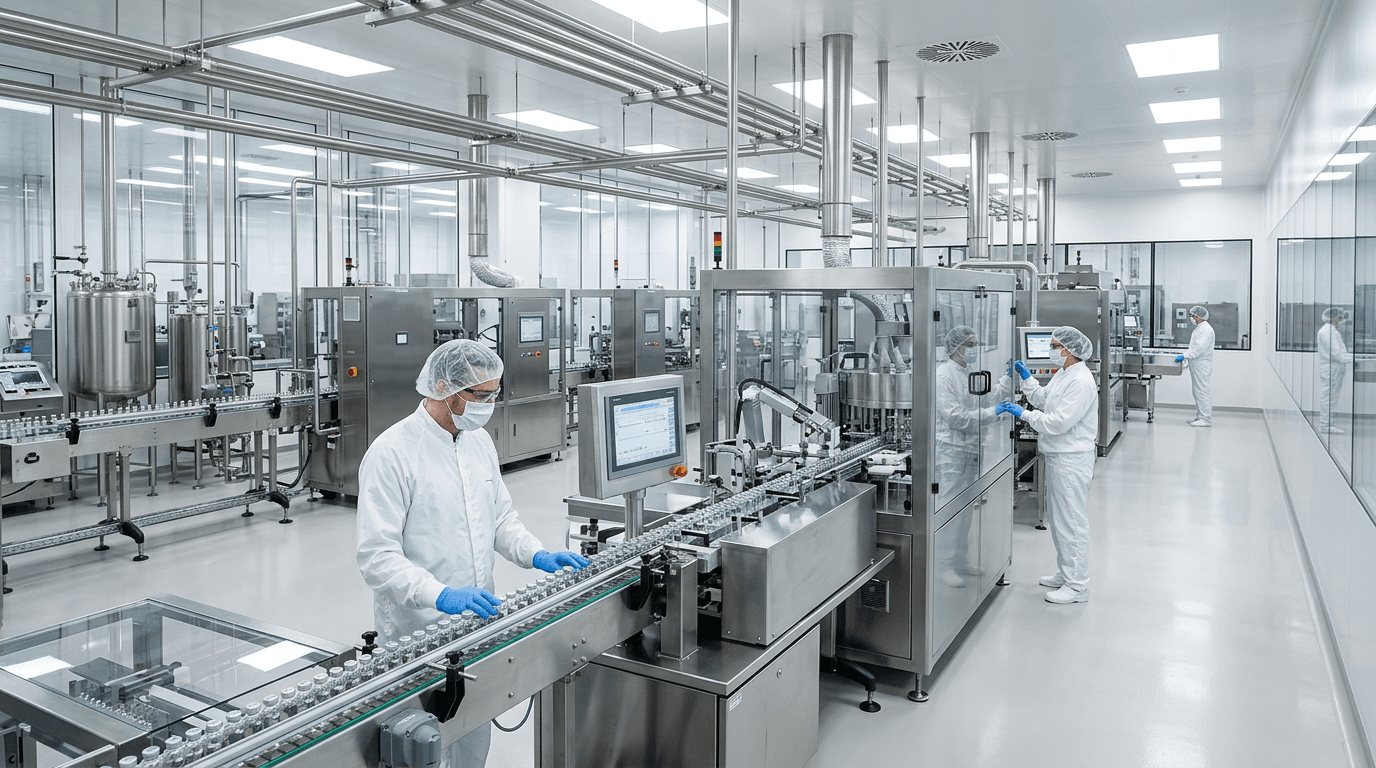
The Indian pharmaceutical sector currently accounts for a significant portion of global generic drug production. To maintain this market share, manufacturers are investing in facilities that meet ISO 9001:2015 and WHO-GMP standards. These certifications require rigorous documentation and standardized production environments to minimize contamination risks. Adherence to these protocols ensures that products remain safe for consumer use across different regulatory jurisdictions.
Quality control measures now extend beyond the final product to include every stage of the chemical supply chain. Raw material sourcing and internal testing protocols undergo frequent audits to ensure compliance with global pharmacopeia requirements. This systematic approach helps domestic firms compete with international counterparts in highly regulated territories. It also reduces the likelihood of product recalls or regulatory sanctions from foreign health authorities.
Vibcare Pharma has implemented specific strategies to modernize its production lines and laboratory capabilities. The company focuses on maintaining high-grade infrastructure to support its expanding product portfolio. By prioritizing these operational standards, the firm seeks to provide consistent therapeutic outcomes for patients. This focus on infrastructure helps the company meet the growing demand for diverse pharmaceutical formulations while maintaining strict safety levels.
"Quality is not just a requirement but a responsibility. Our commitment to adhering to global standards ensures that every product we manufacture meets the highest safety and efficacy benchmarks."
— Management Representative, Vibcare Pharma
Research Investment and Market Distribution
Research and development remain the backbone of the industry's drive toward manufacturing excellence. Indian firms are allocating more capital toward developing complex generics that require sophisticated production techniques. This investment allows companies to move from basic formulations to advanced drug delivery systems. Such advancements are necessary for maintaining a competitive edge in the global market and meeting specific patient needs.
The PCD Pharma franchise model has also emerged as a significant driver for domestic distribution and reach. This business structure enables smaller distributors to partner with established manufacturers to provide healthcare solutions in underserved regions. It creates a network where quality-assured products can reach local pharmacies through a structured supply chain. This model supports entrepreneurship while ensuring the availability of essential medicines across the country.
Data integrity and digital monitoring systems are becoming standard features in modern Indian laboratories. These tools provide real-time tracking of batch records and environmental conditions within manufacturing units. Such transparency is vital for passing inspections from international regulatory bodies and maintaining export licenses. Digital systems also reduce the margin for human error during the complex manufacturing process, ensuring higher reliability.
The ongoing commitment to quality standards positions the Indian pharmaceutical industry for sustained long-term growth. As manufacturers continue to align with international expectations, the sector is likely to see increased foreign investment and collaborative partnerships. Maintaining these high levels of operational excellence will be necessary to address future global health challenges. The focus on compliance ensures that India remains a central hub for medical manufacturing and distribution for years to come. This evolution reflects the industry's maturation into a global leader in healthcare provision.
Stay Ahead of the News
Get the latest business news and company spotlights delivered to your inbox. No spam, unsubscribe any time.
We respect your privacy. Unsubscribe at any time.