India reports high success rates for complex urological reconstructions
Surgical costs remain 60 to 80 percent lower than Western averages
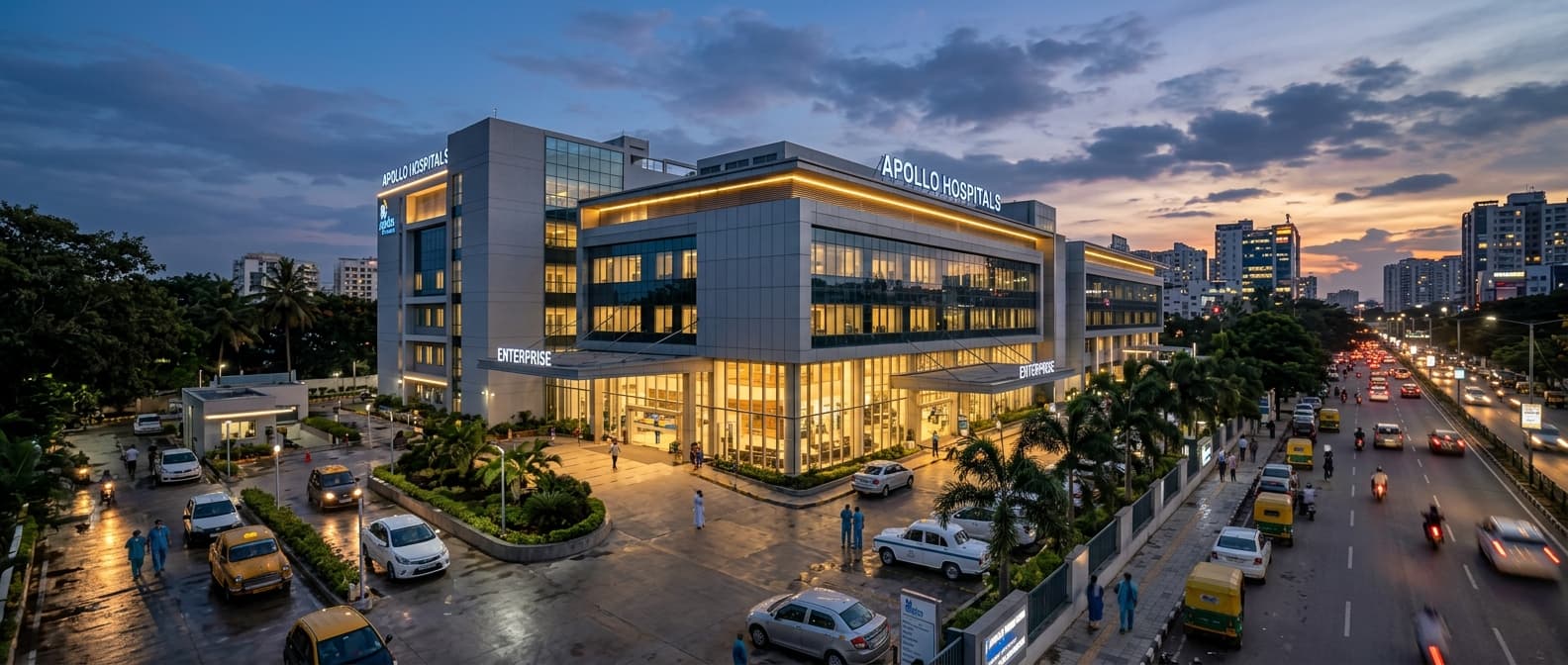
Modern facilities and specialized surgeons drive medical tourism growth
India is establishing itself as a premier destination for specialized urological procedures, specifically urethroplasty, by combining surgical expertise with cost-effective care models. Medical data indicates a rising number of international patients seeking treatment for urethral strictures within the country's private healthcare sector. These facilities provide access to reconstructive techniques that are often expensive or involve long wait times in Western markets. The trend highlights the expanding role of the Indian medical sector in addressing complex global health challenges through specialized surgical interventions.
Technical Standards and Surgical Success Rates
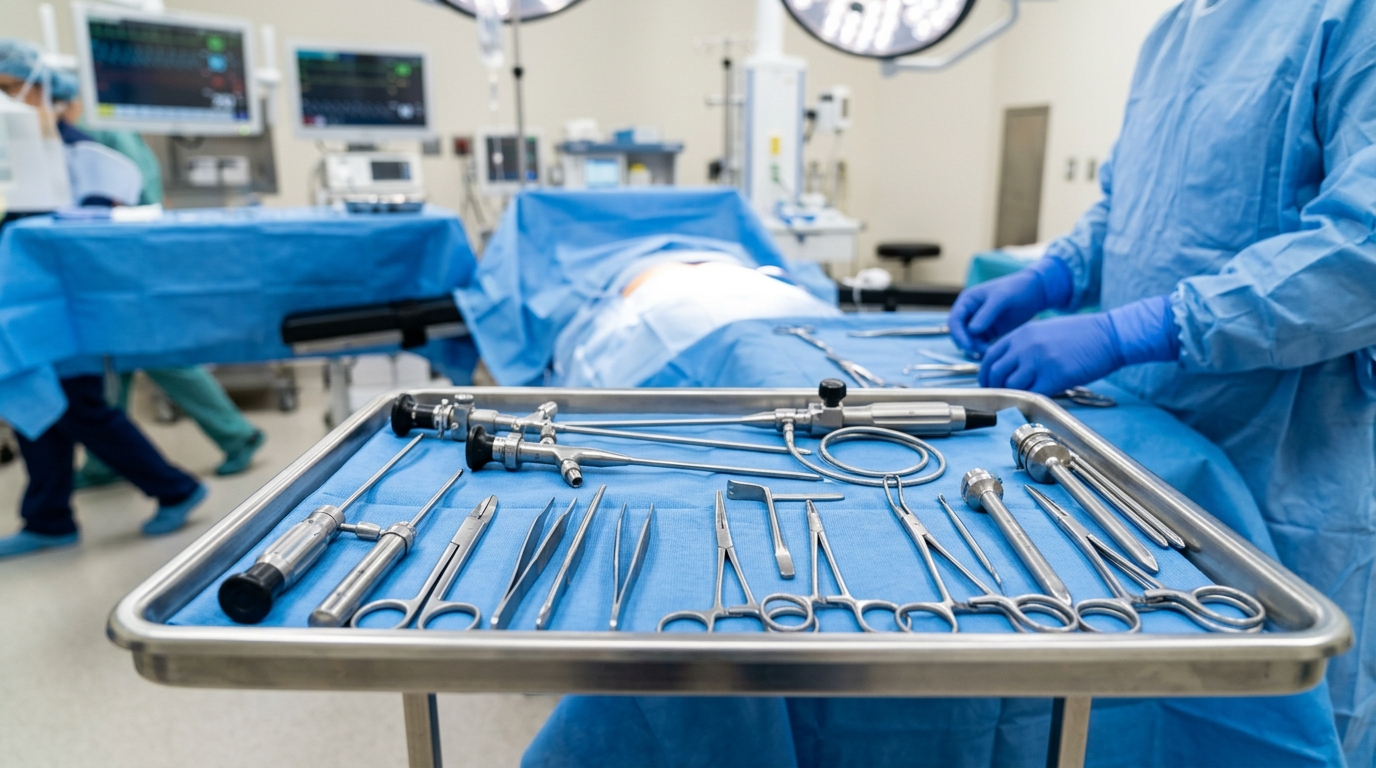
Urethroplasty serves as a definitive surgical solution for urethral strictures, which involve the narrowing of the urinary passage due to scar tissue. Surgeons in India utilize various methods, including excision and primary anastomosis or graft-based reconstructions using buccal mucosa. These procedures aim to restore normal urinary flow and prevent long-term kidney complications for the patient. The choice of technique depends on the length and location of the stricture within the urinary tract.
Success rates for these complex surgeries in top-tier Indian hospitals currently exceed 85 to 90 percent. High-definition imaging and advanced robotic-assisted platforms allow for greater precision during the reconstructive phase of the operation. Most patients report significant improvements in their quality of life following the standard recovery period. This high level of clinical efficacy attracts patients from the Middle East, Africa, and North America.
The India Laparoscopy Surgery Site coordinates these specialized treatments for international visitors to ensure a smooth clinical experience. This organization facilitates access to board-certified urologists who have trained extensively in both domestic and international medical institutions. Such networks ensure that clinical standards remain consistent with global urological benchmarks. These partnerships help bridge the gap between patient needs and available surgical expertise.
Facilities providing these services are typically accredited by the Joint Commission International to ensure patient safety. This accreditation confirms that the hospitals adhere to rigorous hygiene protocols and surgical safety checklists. Maintaining these standards is vital for reducing postoperative infection rates in reconstructive surgery. Patients often stay in the hospital for three to five days to ensure proper initial healing before discharge.
"India offers a unique combination of highly skilled reconstructive urologists and state-of-the-art medical infrastructure at a fraction of the cost found in the West. Our focus remains on delivering high success rates and ensuring that patients return home with a permanent solution to their urological issues."
— Dr. Dheeraj Bojwani, CEO at Forerunners Healthcare
India Emerges as Global Hub for Urethroplasty Surgery
Economic Impact and Medical Tourism Logistics
The cost of urethroplasty in India is approximately 60 to 80 percent lower than in the United States or the United Kingdom. This price disparity includes not only the surgical fee but also the hospital stay and necessary diagnostic tests. Financial savings allow patients to access premium care that might otherwise be financially out of reach in their home countries. This economic advantage does not come at the expense of clinical quality or technology.
Medical tourism facilitators manage the logistics for incoming patients, including visa assistance and local transportation. These services minimize the administrative burden on individuals traveling for health reasons across international borders. Post-operative follow-up care is often coordinated through digital health platforms to monitor recovery after the patient returns home. This continuity of care is essential for the long-term success of reconstructive urological procedures.
The Indian government supports this sector through the "Heal in India" initiative, which promotes the country as a destination for high-end clinical care. Investments in hospital infrastructure continue to grow, particularly in major metropolitan areas like Delhi, Mumbai, and Chennai. This growth supports the local economy while providing essential services to the global community. New specialized centers are opening to meet the specific demands of urology patients.
Urological health is a growing segment of the broader medical travel market as global populations age. As waiting lists for elective surgeries grow in many developed nations, the demand for immediate, high-quality alternatives increases. India’s private healthcare providers are positioning themselves to meet this specific global demand through specialized departments. This strategic focus ensures that the country remains a leader in the competitive medical tourism industry.
The expansion of urological surgical services in India reflects a broader shift toward specialized medical tourism. By focusing on high-success procedures like urethroplasty, the sector demonstrates its ability to handle complex reconstructive cases effectively. Continued investment in technology and professional training will likely maintain this upward trajectory for the foreseeable future. As global healthcare costs rise, India's role as a provider of affordable, high-standard surgical interventions becomes increasingly significant for international patient populations.
Stay Ahead of the News
Get the latest business news and company spotlights delivered to your inbox. No spam, unsubscribe any time.