India offers cornea transplants at 60-80% lower costs than Western nations.
Medical tourism platforms report high success rates for advanced ocular procedures.
Specialized techniques like DALK and DSEK drive international patient influx.
India continues to solidify its position as a global center for ophthalmology, offering cornea transplant procedures at a fraction of international prices. Recent data indicates that patients seeking restorative eye surgery can access advanced treatments starting at approximately $1,500. This pricing structure attracts thousands of international medical tourists annually, particularly from regions where ocular care remains prohibitively expensive. The availability of skilled surgeons and accredited facilities ensures that lower costs do not compromise the quality of medical outcomes for global patients.
Economic Factors Driving Medical Tourism
The financial disparity between Indian medical facilities and those in the United States or United Kingdom remains a primary driver for cross-border healthcare. While a cornea transplant in the West can exceed $15,000, Medmonks Medicare facilitates access to these procedures in India for significantly less. This price includes pre-operative assessments, the surgical intervention, and immediate post-operative care.
Operational expenses in Indian hospitals are lower due to favorable exchange rates and domestic manufacturing of surgical supplies. These savings are passed directly to the patient, making complex ocular surgeries accessible to a broader demographic. Many facilities hold JCI and NABH accreditations, maintaining standards that align with international healthcare protocols.
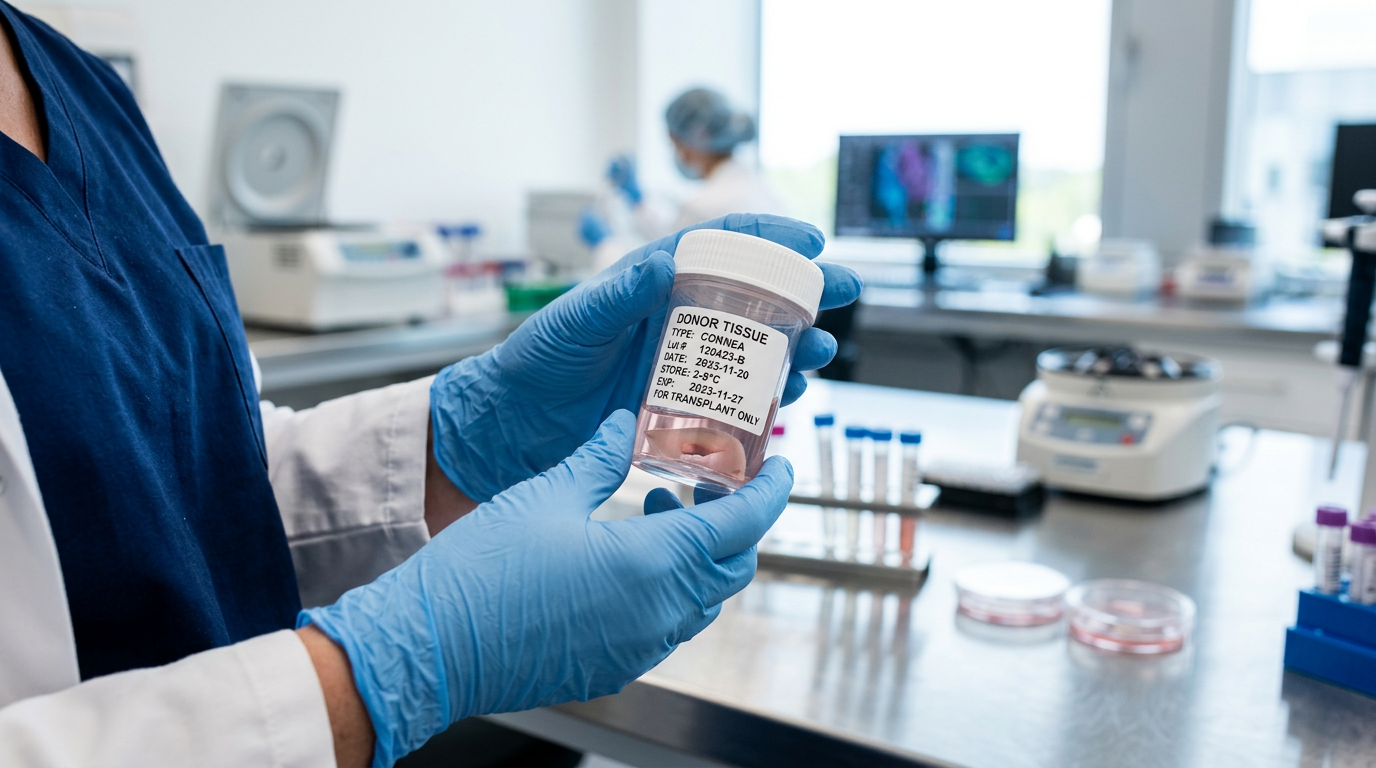
Patients also benefit from the lack of waiting lists, which are common in nationalized healthcare systems elsewhere. Rapid access to donor tissues through established eye banks allows for timely intervention, which is vital for preventing permanent vision loss. The efficiency of the Indian healthcare system contributes to its reputation as a reliable destination for urgent ophthalmic needs.
Beyond the surgery itself, the cost of living in India reduces ancillary expenses such as accommodation and local transport for traveling patients. Families accompanying patients find that long-term stays are affordable, even in major metropolitan hubs like Delhi or Mumbai. This holistic affordability strengthens the value proposition for those requiring extended recovery periods away from home.
"India's ophthalmic sector provides a unique combination of high-precision technology and affordability that few other nations can match. Our goal is to ensure that patients from every corner of the world can regain their sight without the burden of insurmountable debt."
— Dr. Priyanshu Sharma, Medical Consultant at Medmonks Medicare
India Emerges as Cost-Effective Cornea Transplant Hub
Advanced Surgical Techniques and Outcomes
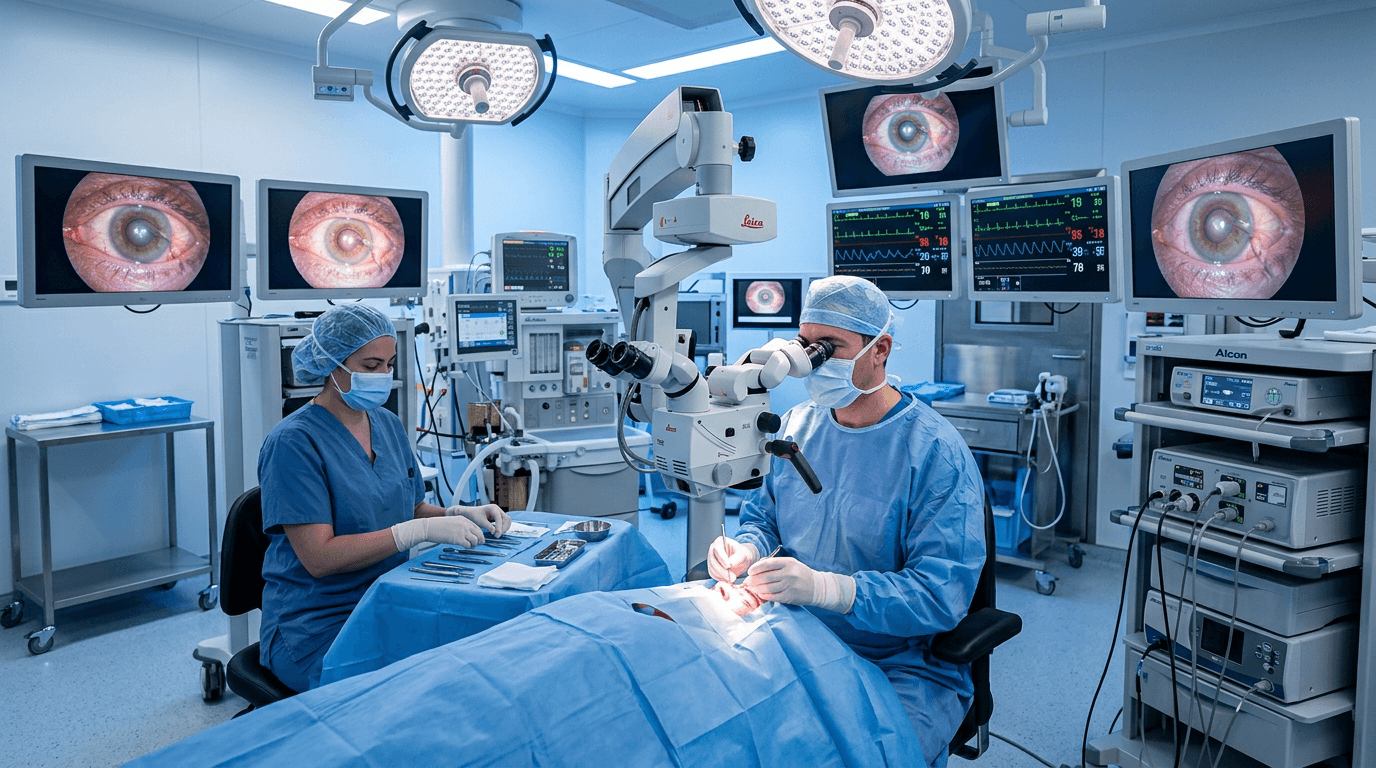
Clinical outcomes for cornea transplants in India remain high, with success rates often exceeding 90 percent for primary grafts. Surgeons utilize various techniques depending on the specific layer of the cornea that requires replacement. Penetrating Keratoplasty remains the standard for full-thickness damage, while newer lamellar techniques target specific layers to reduce rejection risks.
Deep Anterior Lamellar Keratoplasty (DALK) and Descemet's Stripping Endothelial Keratoplasty (DSEK) are increasingly common in Indian specialty clinics. These partial-thickness transplants offer faster recovery times and better visual acuity compared to traditional methods. By preserving healthy parts of the patient's own cornea, surgeons minimize the likelihood of the body rejecting the donor tissue.
Technology such as femtosecond lasers has improved the precision of corneal incisions, leading to more predictable results. Indian hospitals invest heavily in this equipment to remain competitive on the global stage. The integration of advanced diagnostics allows for precise mapping of the eye before the first incision is made.
Post-operative management is a critical component of the transplant process, and Indian clinics provide detailed follow-up schedules. Patients receive personalized medication regimens to manage inflammation and prevent infection during the healing phase. Modern tele-health services allow international patients to maintain contact with their surgeons once they return to their home countries.
The sustained growth of India's medical tourism sector highlights a shift in how global healthcare is consumed. As cornea transplant costs remain stable despite rising global inflation, the country is expected to see a steady increase in patient volume from the Middle East, Africa, and Southeast Asia. Continued investment in medical infrastructure and surgeon training will likely maintain this upward trajectory. India is positioned to remain a primary destination for those seeking high-quality, affordable ocular restoration.
Stay Ahead of the News
Get the latest business news and company spotlights delivered to your inbox. No spam, unsubscribe any time.