

At a Glance
- Global market growth driven by ride-sharing and ad-tech integration
- Programmatic advertising and GPS targeting increase revenue potential
- Asia Pacific region expected to see highest growth rate by 2035
The global in-taxi digital signage market is poised for significant expansion between 2026 and 2035 as ride-sharing services integrate more sophisticated advertising technology. This growth stems from an increasing demand for location-based marketing and enhanced passenger engagement during transit. Advertisers are shifting budgets toward digital out-of-home platforms that offer measurable data and high dwell times. Current projections suggest that the integration of high-definition displays and internet connectivity will transform standard taxi rides into interactive consumer experiences for millions of commuters.
Hardware Evolution and Targeted Software
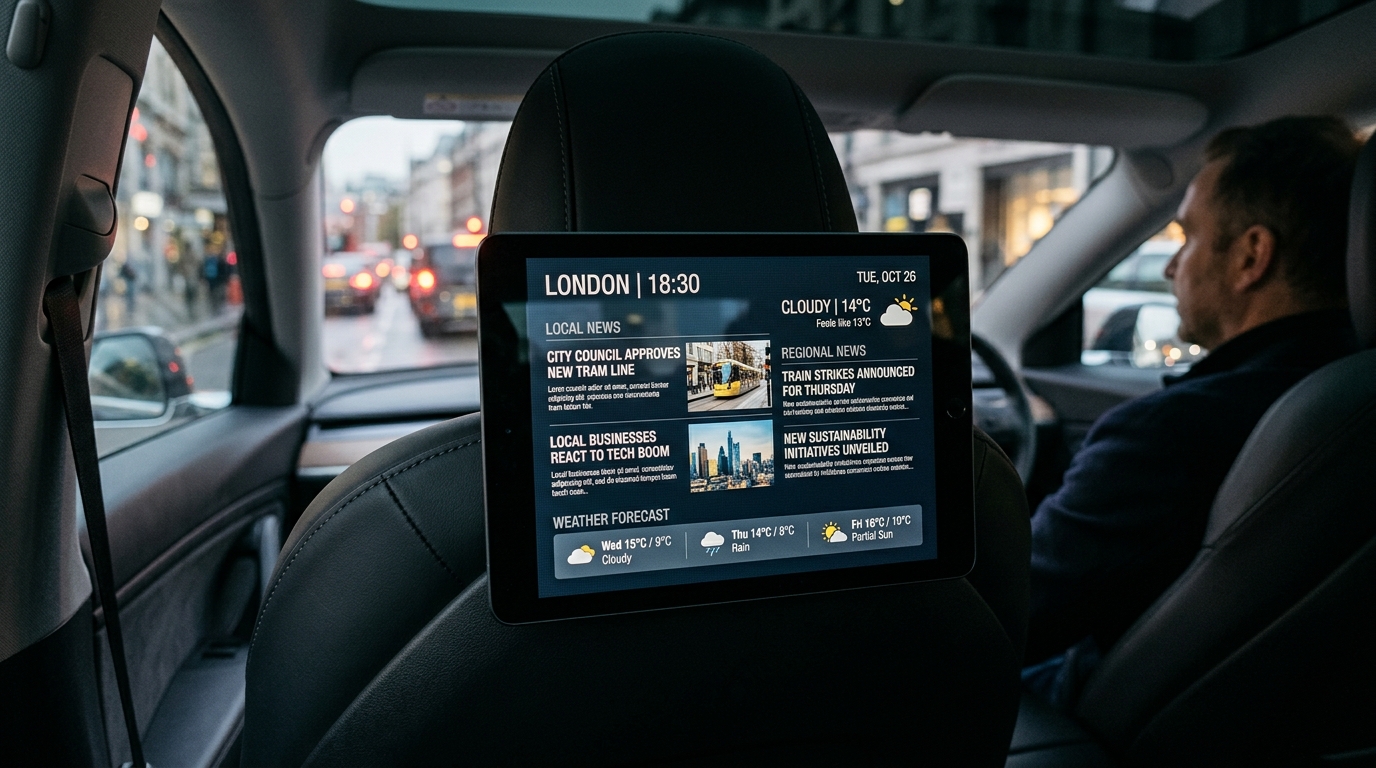
Hardware manufacturers are prioritizing the development of durable, high-brightness LCD and LED screens designed specifically for vehicle interiors. These displays must withstand constant vibration and fluctuating temperatures while maintaining visual clarity for passengers throughout the day. Modern units often feature toughened glass and specialized mounting brackets to prevent theft or accidental damage during transit.
Software advancements allow for real-time content updates based on the vehicle's precise GPS coordinates. This enables local businesses to trigger specific advertisements when a taxi enters a particular neighborhood or commercial district, increasing the relevance of the message. Dynamic scheduling also allows for different ads during morning commutes compared to late-night entertainment hours.
Transparency Market Research indicates that the shift toward programmatic advertising is a primary driver for hardware adoption in the transport sector. Automated ad buying reduces the administrative burden on fleet operators while maximizing revenue per mile through targeted bidding. This data-driven approach ensures that the right content reaches the right demographic at the optimal time.
Connectivity remains a foundational element for this market segment as it scales globally. The rollout of 5G networks ensures that high-definition video content streams without buffering, providing a smoother experience for commuters and tourists alike. Enhanced bandwidth also supports two-way interaction, allowing passengers to book tickets or browse menus directly from the screen.
"The integration of digital displays in taxis represents a significant shift in how brands interact with captive audiences in urban environments."
— Lead Analyst, Transparency Market Research
Regional Growth and Regulatory Dynamics
North America currently maintains a substantial share of the market due to the high density of ride-hailing services in major metropolitan areas. Cities like New York and Chicago serve as primary hubs for digital taxi-top and in-cabin display testing by major advertising networks. The presence of established tech infrastructure facilitates the rapid deployment of new display technologies across large fleets.
The Asia Pacific region is expected to witness the fastest growth rate over the forecast period ending in 2035. Rapid urbanization and the expansion of mobile payment systems in China and India create a fertile environment for digital ad integration. Local governments are also supporting smart city initiatives that include modernized public transportation systems equipped with digital communication tools.
Regulations regarding driver distraction and light pollution continue to influence display designs and placement. Manufacturers are developing screens with auto-dimming features and restricted viewing angles to ensure passenger safety remains a priority at all times. Compliance with local transport authority guidelines is essential for companies looking to secure long-term contracts with city fleets.
Fleet owners are increasingly viewing digital signage as a necessary secondary revenue stream to offset operational overhead. As fuel and insurance costs rise, the income generated from third-party advertising helps maintain profit margins for traditional taxi companies facing competition. This financial incentive is driving the replacement of older, static advertisements with modern digital alternatives.
The trajectory of the in-taxi digital signage market suggests a future where transit is linked with personalized content delivery. By 2035, the distinction between public transportation and digital media hubs will likely blur as technology becomes more embedded in the daily commute. Stakeholders must focus on data privacy and content relevance to sustain long-term passenger interest. Overall, the market is set for a decade of steady technical refinement and geographic broadening across global urban centers.