
At a Glance
- Global demand for energy-efficient ventilation systems drives market expansion.
- Stricter indoor air quality regulations influence new product development.
- Asia-Pacific region emerges as a primary growth hub for HVAC infrastructure.
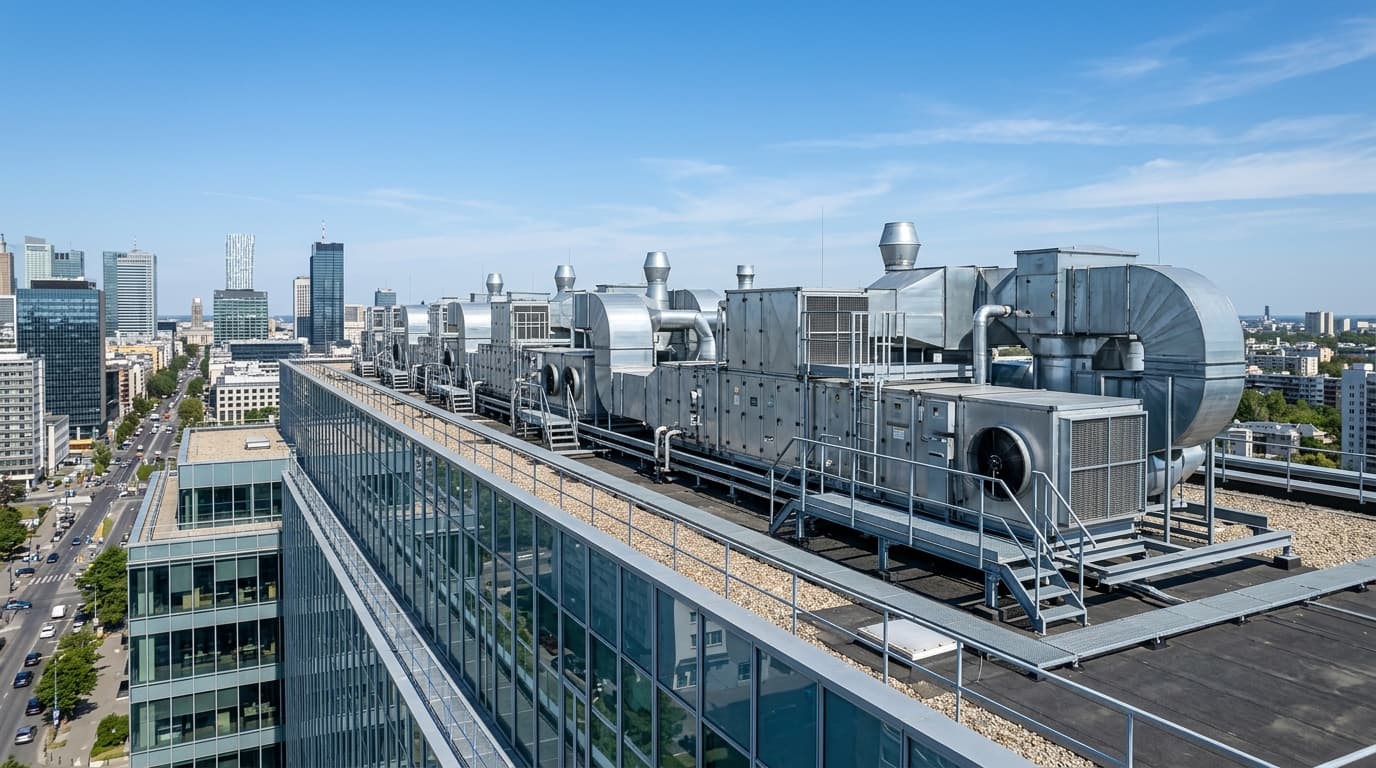
The global HVAC air handling unit market is entering a period of sustained growth, with projections suggesting a significant valuation increase by 2026. Rapid industrialization and a surge in commercial construction projects are primary catalysts for this upward trend. Governments worldwide are implementing stricter building codes to reduce energy consumption in large-scale facilities. These factors combine to create a high-demand environment for manufacturers specializing in advanced ventilation and thermal management technologies. This sector remains a vital part of the global infrastructure economy.
Regulatory Compliance and Energy Savings
New environmental regulations are forcing building owners to replace aging equipment with high-efficiency air handling units. These mandates aim to lower the carbon footprint of the building sector, which accounts for a large portion of global energy usage. Manufacturers are responding by integrating variable speed drives and advanced heat recovery systems into their designs. This shift helps facilities meet green building certifications while reducing long-term operational costs.
The adoption of smart sensors allows these units to adjust airflow based on real-time occupancy data. This precision prevents energy waste in unoccupied zones of a building. Data centers and hospitals are among the fastest-growing segments requiring these high-performance solutions. These specialized environments demand constant temperature control and high-volume air exchange to maintain operations.
Commercial office spaces are also undergoing retrofits to improve air circulation for returning workers. Investors are prioritizing properties that feature modern mechanical systems to ensure tenant retention. The Market Research Future report indicates that the replacement market is now as active as the new construction sector. This dual demand provides a stable revenue stream for the leading players in the industry.
Customization is becoming a standard requirement for industrial clients with specific airflow needs. Manufacturers now offer modular units that can be configured for various space constraints and performance targets. These units often include specialized coatings to prevent corrosion in harsh industrial environments. By providing tailored solutions, companies can command higher margins in a competitive global market.
"The integration of smart controls and energy recovery components is no longer optional for manufacturers aiming to capture market share in developed regions."
— Senior Research Analyst at Market Research Future
Indoor Air Quality and Regional Expansion
Public health concerns have shifted the focus toward superior indoor air quality in public and private spaces. Air handling units now incorporate multi-stage filtration systems to remove particulate matter and pathogens. High-efficiency particulate air filters are becoming standard in educational and healthcare installations. This focus on health is driving a premium market for units with advanced purification capabilities.
The Asia-Pacific region is expected to lead the market share due to massive infrastructure investments. China and India are driving this growth with new smart city initiatives and industrial zones. Local governments are incentivizing the use of energy-saving technologies to combat urban pollution levels. This regional expansion offers significant opportunities for global manufacturers to establish local production facilities.
North America and Europe maintain steady growth through the modernization of existing infrastructure. Strict F-gas regulations in Europe are pushing the industry toward low-global-warming-potential refrigerants. Many companies are investing in research and development to create units that operate effectively with these new substances. These technological adjustments ensure compliance with international climate agreements while maintaining cooling performance.
The rise of the "smart building" concept is integrating air handling units into centralized management software. Facility managers can now monitor energy consumption and filter health from remote locations. This connectivity reduces maintenance downtime and extends the lifespan of the equipment. As software and hardware become more integrated, the market for connected HVAC solutions will continue to expand.
The outlook for the air handling unit sector remains positive as technological advancements continue to align with global sustainability goals. Future market performance will likely depend on the ability of manufacturers to balance high performance with cost-effectiveness. As smart building ecosystems become the norm, air handling units will serve as a central component of integrated facility management. Stakeholders should expect continued mergers and acquisitions as larger firms seek to acquire specialized filtration and sensor technologies.