
At a Glance
- Remote work trends drive adoption of home-based server environments.
- Cybersecurity interest fuels demand for isolated testing hardware.
- HomeLab Tech reports increased investment in enterprise-grade gear.
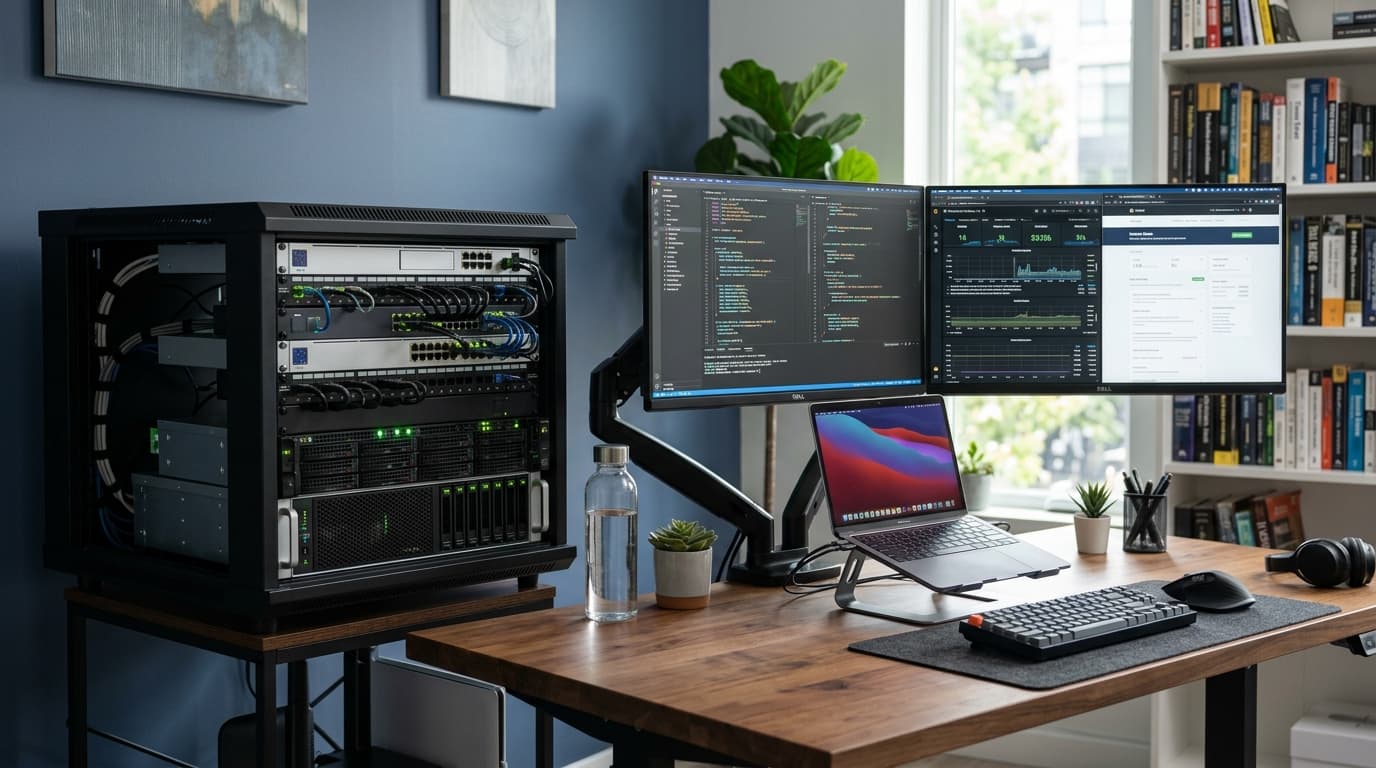
The global homelab market is experiencing significant expansion as IT professionals and hobbyists seek private environments for technical experimentation. This growth coincides with a rising demand for hands-on experience in virtualization, networking, and cloud computing. HomeLab Tech reports that individual users are increasingly investing in enterprise-grade hardware to mirror corporate environments within their residences. These setups allow for skill development outside of traditional office constraints or expensive cloud provider subscriptions.
Drivers of Hardware and Software Adoption
The shift toward remote employment has fundamentally changed how technicians interact with hardware. Many professionals now require local testing grounds to simulate complex network configurations and security protocols. This necessity has turned the homelab from a niche hobby into a practical tool for career advancement and technical proficiency.
HomeLab Tech observes that the second-hand market for servers and networking equipment is thriving. Buyers often seek decommissioned enterprise gear to run hypervisors like Proxmox or VMware. These systems provide the foundation for hosting private file servers, media centers, and automated home systems.
Security concerns also play a major role in this market segment. Enthusiasts use these isolated environments to study malware behavior and penetration testing techniques without risking their primary networks. This practical application helps bridge the gap between theoretical knowledge and real-world implementation.
Education remains a primary motivator for new entrants into the HomeLab Tech ecosystem. Students pursuing certifications find that physical hardware offers a tangible understanding of system architecture that virtual instances often lack. The ability to break and fix systems in a controlled setting provides confidence that translates directly to the workplace.
"The surge in homelab interest proves that IT professionals are no longer satisfied with theoretical knowledge; they want to build and manage their own infrastructure."
— Marcus Thorne, Lead Analyst at HomeLab Tech
Virtualization and Networking Trends
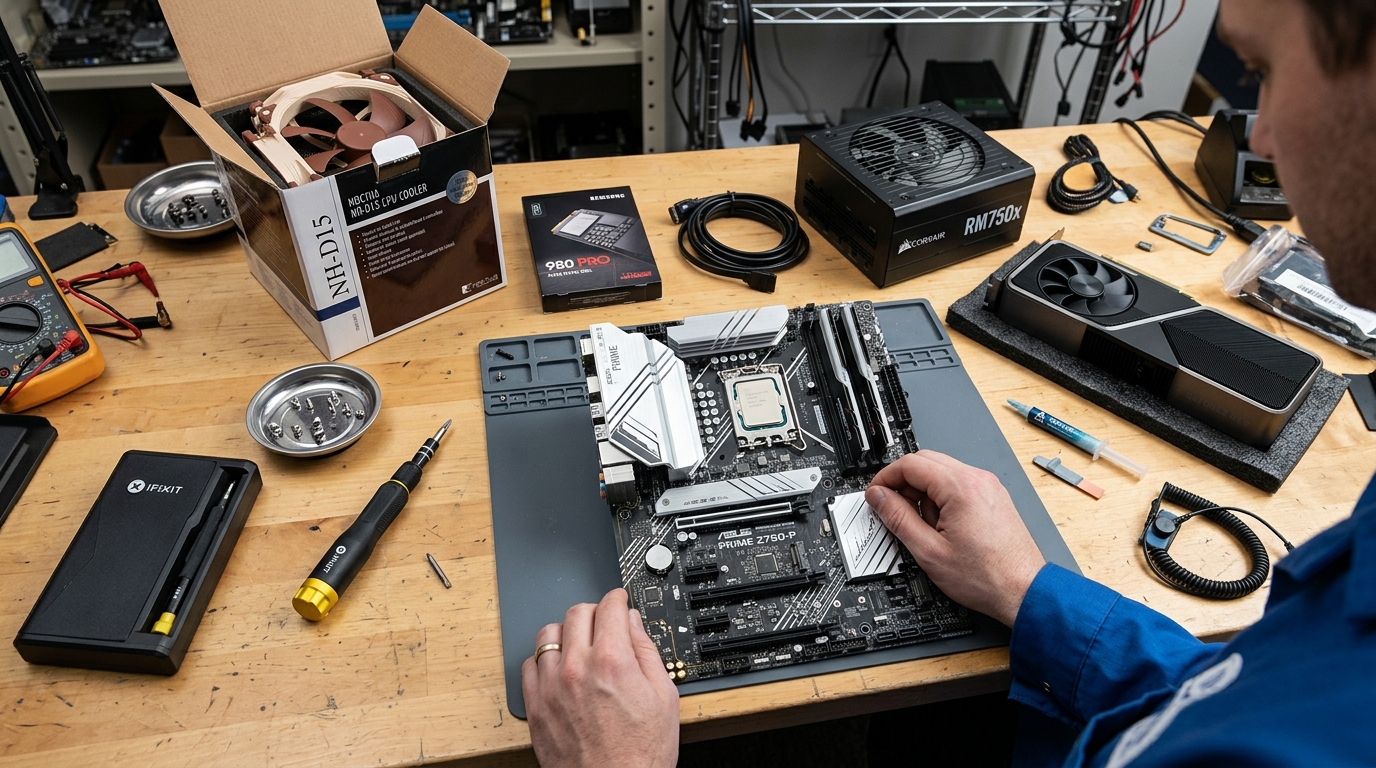
Virtualization technology serves as the core component for most modern homelab configurations. By running multiple virtual machines on a single physical server, users maximize their hardware investment and reduce power consumption. This efficiency is vital for maintaining a 24-hour operation within a residential setting where electricity costs are a factor.
Software-defined networking has also gained traction among home users. Tools like pfSense and OPNsense allow for advanced routing and firewall capabilities previously reserved for large data centers. These platforms enable users to segment their traffic and protect sensitive personal data from external threats while learning enterprise security.
Containerization via Docker and Kubernetes represents the next phase of home infrastructure. Many hobbyists are moving away from full virtual machines in favor of lightweight containers to host specific services. This transition allows for faster deployment and easier management of complex application stacks, mirroring modern devops practices.
Energy efficiency and noise reduction have become secondary market drivers. Manufacturers are responding by producing quieter, more power-efficient components specifically for the prosumer market. These improvements ensure that high-performance computing can exist comfortably in living spaces without disturbing household members or significantly increasing utility bills.
The expansion of the homelab market signals a long-term shift in how technical professionals manage their ongoing education. As corporate environments become more complex, the value of private, risk-free testing spaces will likely increase. HomeLab Tech anticipates continued interest in both legacy hardware and modern software solutions. This trend suggests that the boundary between professional development and personal interest will continue to blur as technology becomes more accessible to the individual.