
At a Glance
- Semiconductor and solar energy sectors drive material demand
- Market analysts project steady growth through the next decade
- Asia-Pacific region maintains dominance in global supply chains
The global high purity silica market is experiencing significant expansion as demand for advanced semiconductors and renewable energy infrastructure intensifies. This specialized material, characterized by its extreme purity levels, serves as a fundamental component in the fabrication of silicon wafers and solar cells. Analysts point to the rapid digitization of the economy and the shift toward green energy as primary catalysts for this upward trend. Recent data suggests the market will maintain a steady compound annual growth rate through the end of the current decade.
Semiconductor Demand Drives Material Standards
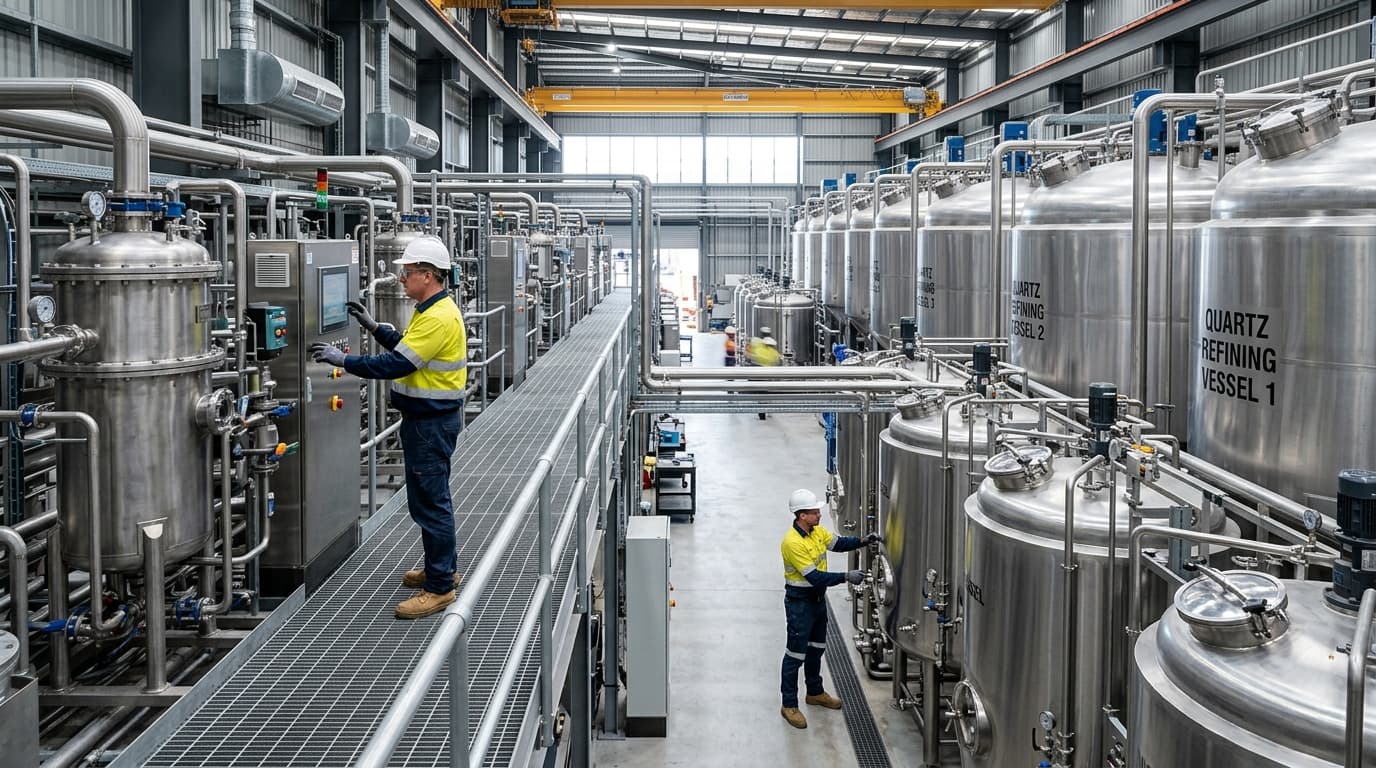
The semiconductor industry requires silica with purity levels exceeding 99.9 percent to ensure the reliability of electronic components. As manufacturers produce smaller transistors, the tolerance for impurities decreases significantly. This shift forces suppliers to invest in sophisticated refining technologies to meet stringent quality specifications. These advancements allow for the production of chips that are both more powerful and more energy-efficient.
The rise of artificial intelligence and high-performance computing further complicates these requirements. Data centers and consumer electronics require more chips, which in turn increases the volume of high purity silica consumed during production. Market participants are expanding their production capacities to keep pace with these high-tech requirements. This expansion is often located near existing industrial hubs to minimize logistics costs.
According to a recent report by Stratview Research, the electronics sector remains the largest consumer of these high-grade materials. The study highlights that the Asia-Pacific region dominates the supply chain due to its concentration of wafer fabrication facilities. Growth in this region is expected to outpace other geographic markets over the next five years. This trend reflects the broader concentration of technical manufacturing in eastern markets.
Quality control measures have become more rigorous as end-users demand higher performance from their electronic devices. Suppliers now use automated testing systems to verify the chemical composition of each batch before shipment. This precision helps prevent defects in the final semiconductor products, saving manufacturers significant costs. Reliable supply chains for these materials are now a priority for global technology firms.
"The transition toward more efficient energy storage and faster processing speeds relies heavily on the availability of ultra-high purity raw materials."
— John Miller, Senior Analyst at Stratview Research

Solar Energy and Infrastructure Expansion
Photovoltaic cell manufacturing represents a significant growth area for the high purity silica market. Solar panels require high-grade quartz to produce the silicon used in energy conversion. As governments worldwide implement policies to reduce carbon emissions, the installation of solar arrays continues to accelerate. This surge in renewable infrastructure directly benefits suppliers of refined silica products.
The expansion of telecommunications infrastructure also relies on this material for fiber optic cables. High purity silica ensures low signal attenuation, which is vital for high-speed data transmission over long distances. The global rollout of 5G networks has increased the demand for these specialized glass fibers. These networks form the backbone of modern digital communication systems.
Environmental regulations are influencing how companies extract and process silica. New methods aim to reduce the energy intensity of refining while maintaining the high standards required by end-users. These operational changes are becoming a standard part of the industry's response to sustainability goals. Companies that adopt these cleaner processing methods may gain a competitive advantage in the future.
Medical technology also benefits from the properties of high-grade silica in the form of specialized containers and diagnostic equipment. The material's inert nature makes it ideal for storing sensitive biological samples and pharmaceutical products. Growth in the healthcare sector contributes to the overall stability of the silica market. This diversification helps mitigate risks associated with fluctuations in any single industrial sector.
The high purity silica sector remains a vital link in the global supply chain for modern technology. As industries move toward greater efficiency and higher data capacities, the reliance on these refined materials will only intensify. Market players must balance the need for increased volume with the technical challenges of maintaining extreme purity. The coming years will likely see further consolidation and investment in processing facilities to support these evolving industrial needs.