
At a Glance
- Global demand for automotive climate control drives market expansion
- Electric vehicle transition necessitates new thermal management designs
- Asia-Pacific region emerges as the leading manufacturing hub
The global heater blower market is preparing for a decade of sustained growth between 2026 and 2035, according to latest industry projections. This expansion is largely attributed to the increasing production of passenger and commercial vehicles worldwide. As automotive manufacturers prioritize interior comfort, the demand for sophisticated climate control systems continues to rise. These systems rely on high-performance blowers to maintain optimal temperatures and air quality within the vehicle cabin. The industry is currently undergoing a structural shift to accommodate the specific requirements of electric and hybrid drivetrains.
Regional Dynamics and Market Drivers
The Asia-Pacific region is currently the largest contributor to market volume and is expected to maintain its lead through 2035. This dominance is supported by the massive automotive manufacturing hubs in China, Japan, and South Korea. Rising consumer demand for mid-range and luxury vehicles in these nations drives the need for advanced HVAC components. Local governments are also implementing policies that encourage the adoption of more efficient vehicle parts to reduce overall environmental impact.
In North America, the market is influenced by the high prevalence of light commercial vehicles and heavy-duty trucks. These vehicle types require durable and powerful blower systems capable of handling extreme weather conditions. Market Research Intellect reports that the integration of smart sensors into blower units is a growing trend in this region. These sensors allow for automated adjustments based on cabin occupancy and external temperature changes.
The European market is characterized by a strong focus on technical standards and sustainability. Manufacturers in this region are leading the way in developing blower motors that use recycled materials and consume less energy. This focus aligns with the European Union's strict carbon neutrality goals for the transportation sector. Consequently, the replacement market for older, less efficient blower units is also seeing an uptick in activity.
Emerging economies in Latin America and the Middle East are also showing potential for market expansion. Improved infrastructure and a growing middle class are leading to increased vehicle sales in these territories. While these markets currently represent a smaller share, their growth rates are projected to accelerate as international manufacturers expand their local assembly operations.
"The transition to electric mobility is fundamentally changing how heater blowers are integrated into vehicle architectures. Efficiency is no longer just a feature but a necessity for extending battery range in cold climates."
— Sarah Jenkins, Lead Automotive Analyst at Market Research Intellect
Technological Evolution and Competitive Pressures
The shift from traditional internal combustion engines to electric powertrains is the most significant factor affecting blower design. Electric vehicles do not produce waste heat from an engine, requiring blowers to work in tandem with electric heaters or heat pumps. This change necessitates higher voltage components and more complex thermal management strategies. Engineers are focusing on minimizing noise and vibration to ensure the blower does not disturb the quiet environment of an electric car.
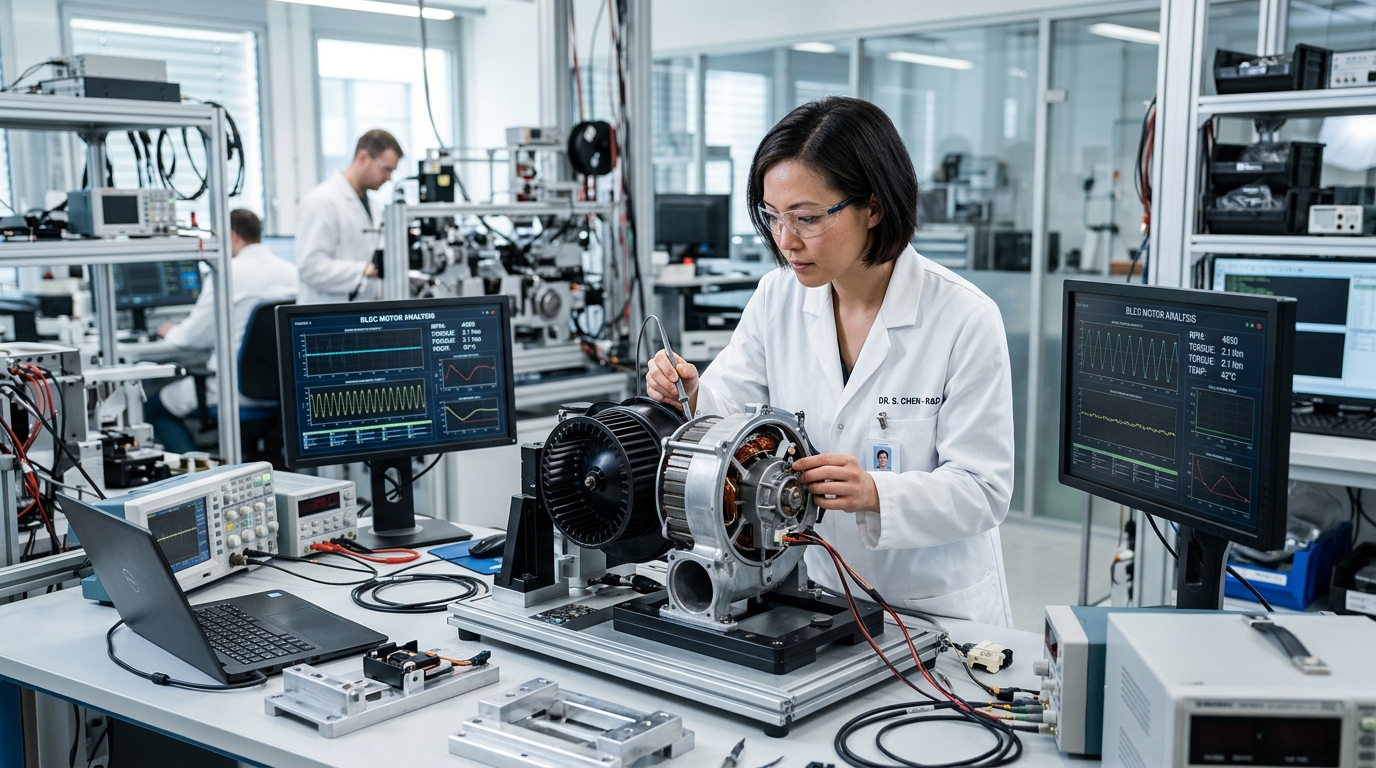
Brushless DC motor technology is becoming the industry standard for high-end blower applications. These motors offer superior efficiency and require less maintenance over the vehicle's lifespan compared to older designs. They also allow for more precise control of fan speeds, which contributes to better energy management. As the cost of these components decreases, they are expected to become common in entry-level vehicle segments as well.
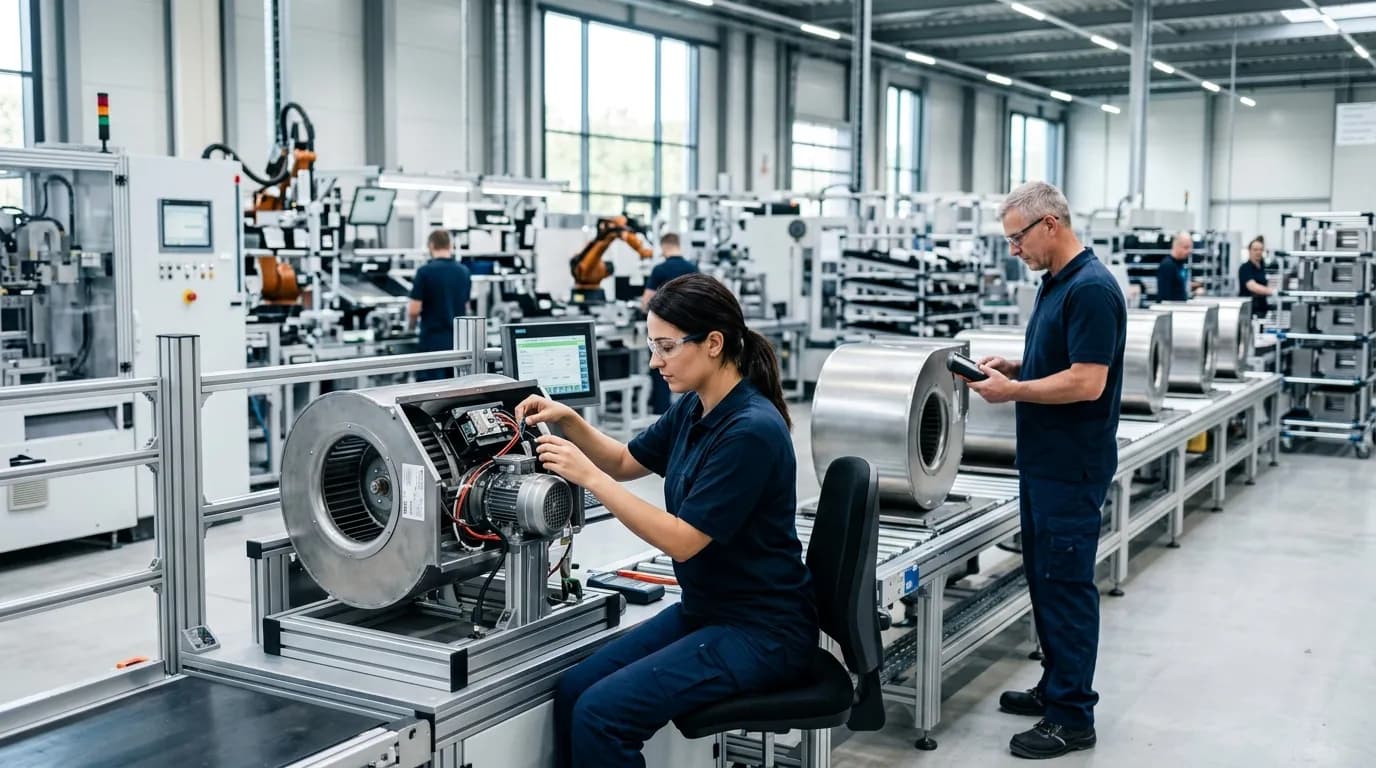
Competition among major players like Valeo, Mahle, and Hanon Systems is intensifying as they vie for long-term contracts with major automakers. These companies are investing heavily in automated production lines to increase output and ensure consistent quality. Strategic partnerships are also becoming more common as firms look to combine their expertise in electronics and fluid dynamics. This collaborative approach helps reduce the time required to bring new products to the commercial market.
Supply chain management remains a critical concern for all participants in the heater blower sector. Fluctuations in the price of raw materials such as copper, aluminum, and specialized magnets can impact profit margins. To mitigate these risks, many companies are diversifying their supplier bases and exploring alternative materials. Ensuring a steady flow of components is essential for meeting the production schedules of global automotive brands.
Looking toward 2035, the heater blower market will be defined by its ability to integrate with digital vehicle architectures. The move toward autonomous driving may further change cabin layouts, requiring even more specialized airflow solutions. Companies that can balance the demands for energy efficiency, quiet operation, and cost-effectiveness will be best positioned for success. As the automotive industry continues its transition to a greener future, the heater blower remains an essential piece of the thermal management puzzle.