

At a Glance
- Global demand for tactile feedback systems increases across automotive and consumer sectors.
- Technological advancements in actuators drive significant market expansion through 2030.
- Integration of haptics in medical training tools enhances surgical precision and safety.
The global haptic technology market is experiencing a significant surge as industries integrate tactile feedback into digital interfaces to improve user engagement. Recent data indicates that the rising adoption of smartphones and wearable devices remains a primary driver for this expansion in the current fiscal year. Manufacturers are increasingly focusing on sophisticated touch-based interactions to improve user experience and differentiate their products in a crowded marketplace. This growth reflects a broader shift toward more immersive and intuitive human-machine interfaces across multiple sectors worldwide.
Market Drivers and Sector Expansion
The automotive sector represents a major growth area for tactile feedback systems. Modern vehicles now incorporate haptic sensors in infotainment screens and steering wheels to reduce driver distraction. These systems provide physical confirmation of digital commands, allowing operators to keep their eyes on the road. Manufacturers are replacing physical knobs with haptic-enabled touch surfaces to create modern interior designs.
Consumer electronics continue to dominate a large portion of the market share. Smartphones, tablets, and gaming consoles utilize advanced actuators to simulate the feel of physical buttons or textures. Reports and Insights notes that consumer demand for high-fidelity sensory feedback is pushing hardware developers to upgrade existing vibration motors. This shift is particularly evident in the gaming industry, where players expect realistic recoil and environmental sensations.
Industrial applications are also adopting these technologies to improve safety and training outcomes. In manufacturing environments, haptic-enabled controllers provide workers with physical cues during remote operations. This tactile data helps prevent errors and increases the accuracy of delicate tasks performed via robotics. Companies are investing in these systems to minimize downtime and reduce the learning curve for new equipment operators.
"The integration of advanced haptic feedback is no longer limited to high-end devices, as cost-effective solutions make tactile interfaces accessible to a wider range of industries. We expect the medical and automotive sectors to lead the next phase of adoption as they prioritize safety and precision through touch-based communication."
— Jayant Singh, Lead Analyst at Reports and Insights
Technological Advancements and Medical Use
The development of piezoelectric actuators and electroactive polymers is transforming the capabilities of touch systems. These materials allow for thinner components and more precise localized vibrations compared to traditional eccentric rotating mass motors. Such improvements enable device manufacturers to create sleeker products without sacrificing feedback quality. Engineers are finding new ways to integrate these components into flexible displays and wearable fabrics.
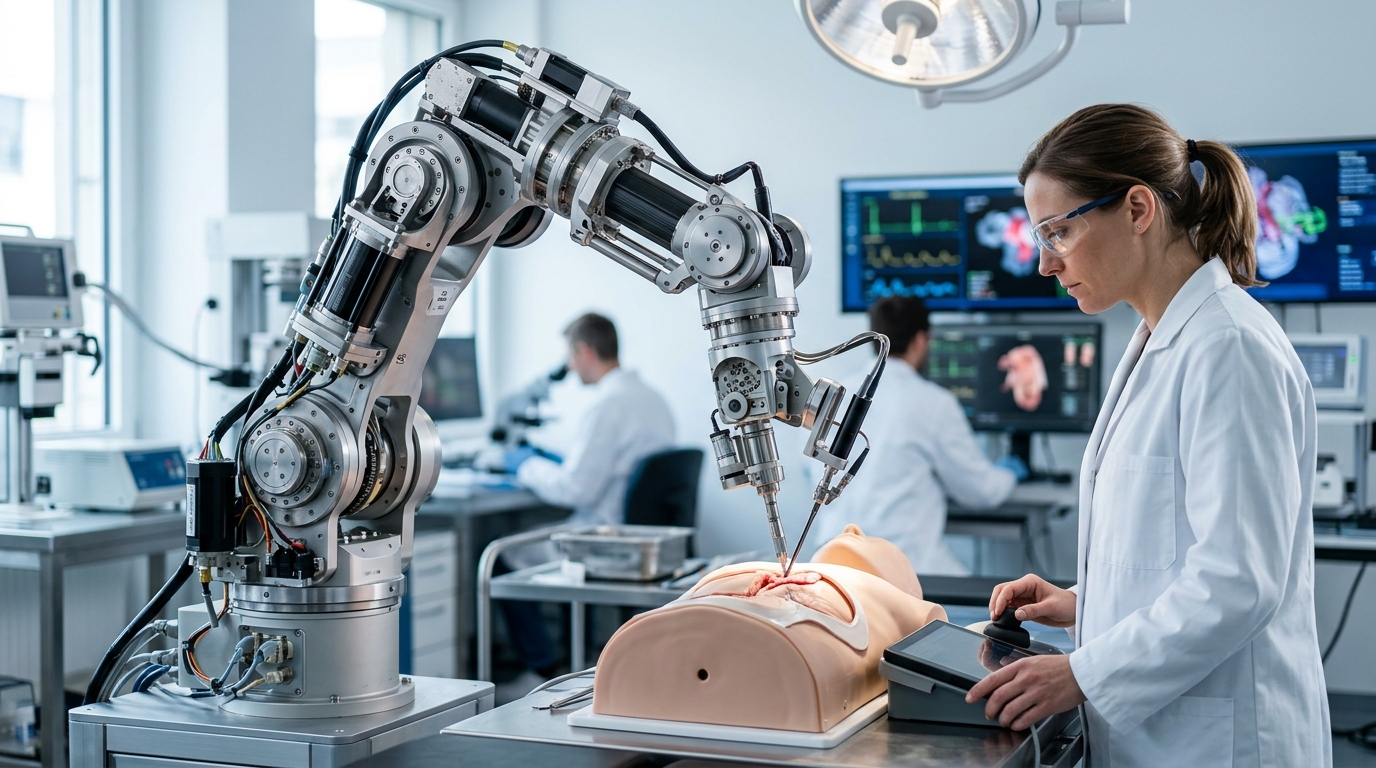
Medical professionals are utilizing haptic technology to enhance surgical simulations and remote procedures. Surgeons can feel the resistance of tissues through robotic arms, which provides a level of sensory detail previously unavailable in digital platforms. This application improves the training process for complex operations and reduces the risk of complications during actual surgery. Educational institutions are increasingly adopting these simulators to provide students with hands-on experience in a controlled environment.
Wearable technology is another area seeing rapid integration of sophisticated vibration patterns. Smartwatches use distinct haptic rhythms to notify users of specific alerts, reducing the need to look at a screen constantly. This subtle communication method is gaining popularity in accessibility tools designed for individuals with visual impairments. These devices translate visual information into tactile patterns, allowing for greater independence in daily activities.
Looking ahead, the haptic technology market is positioned for sustained development as 5G connectivity and virtual reality become more prevalent. Increased bandwidth allows for lower latency in haptic responses, making remote interactions feel more natural and responsive. As hardware costs decrease, more mid-range consumer products will likely feature high-quality tactile feedback as a standard feature. This trend suggests that touch-based interfaces will become a standard expectation for digital interaction in the coming years, as analysts predict expansion into retail and education.