At a Glance
- Dallmann Confections has built a San Diego chocolate operation around a 1954 Austrian family recipe book and manual production methods
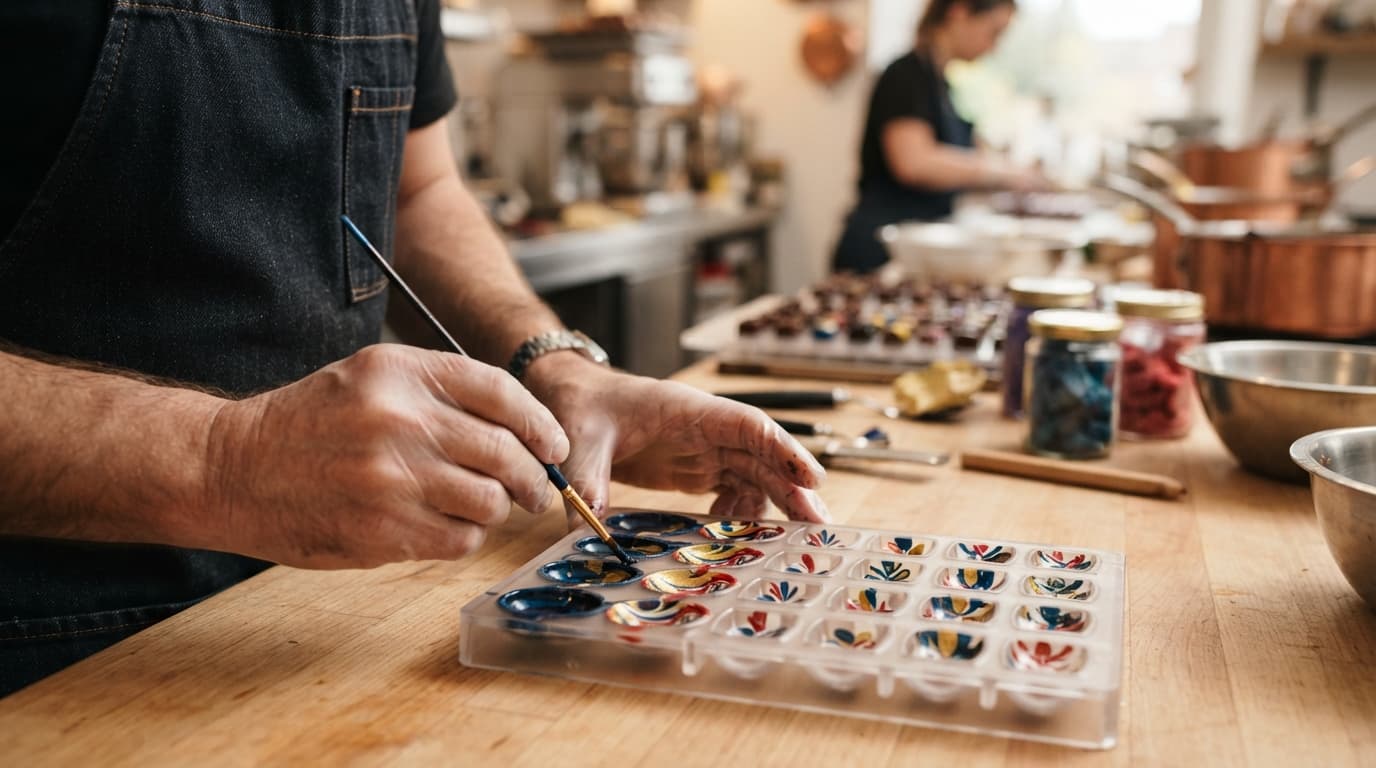
- Founder Isabella Knack, a third-generation chocolatier, imported European couverture and hand-finishing techniques rather than industrial automation
- The venture reflects a wider luxury food trend of small-batch, artisan production positioned against mass-market chocolate manufacturing
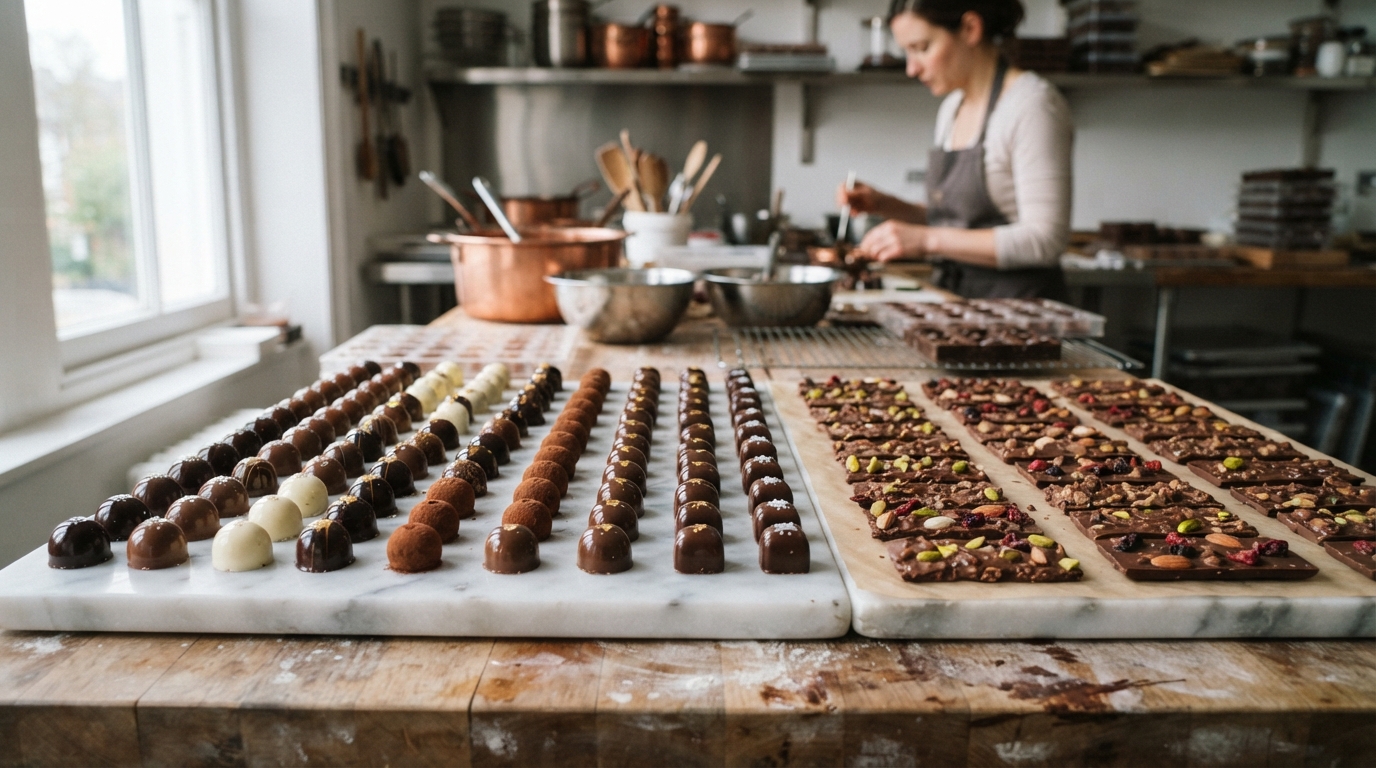
A small San Diego chocolate maker is wagering that consumers will pay a premium for confections made the way they were in an Austrian Alpine village seven decades ago. Dallmann Confections, founded by third-generation chocolatier Isabella Knack, has built its Southern California operation around 1954 formulas and manual techniques rather than the automated tempering lines and shelf-stabilizing additives that dominate most modern chocolate production.
From St. Gilgen to San Diego
The company traces its origins to St. Gilgen, a village near Salzburg, where master pastry chef Guenther Dallmann opened a shop in 1954 specializing in hand-formed desserts and classic European chocolates. His granddaughter, Isabella Knack, learned the trade there before relocating the family's methods to San Diego.
Establishing the San Diego operation reportedly required importing specialized equipment and sourcing high-grade European couverture, the high-cocoa-butter chocolate base favored by professional chocolatiers. Recipes also had to be adjusted for the atmospheric conditions of coastal Southern California, a climate considerably different from the Austrian Alps.
The company frames its history within the broader tradition of Austrian confectionery, which developed alongside 19th-century Viennese coffee house culture and the "Purveyors to the Imperial and Royal Court" designation once granted to elite confectioners. That lineage emphasized manual finishing and fillings such as marzipan and hazelnut praliné over standardized, mass-produced taste profiles.
"The foundation of everything executed in the San Diego kitchen today rests entirely on the discipline established by my grandfather in St. Gilgen. In 1954, there were no shortcuts or automated tempering lines. Every ganache was stirred by hand, and every chocolate was judged by the eye and hand of the craftsman. Bringing that specific level of old-world discipline to Southern California was not simply about sharing recipes, but about preserving an endangered standard of manual labor and respect for the raw materials."