
At a Glance
- Market valuation is projected to hit $21.3 billion by 2027
- Food and beverage sectors drive 360-degree branding demand
- Sustainability regulations push shift toward recyclable materials
The global shrink and stretch sleeve label market is projected to reach a valuation of $21.3 billion by 2027, growing at a steady annual rate. This expansion is primarily driven by the rising demand for visually striking packaging in the food and beverage industries. Manufacturers are increasingly adopting these solutions to provide 360-degree branding and improved tamper-evident features on their products. As consumer preferences shift toward more premium packaging, the industry is responding with sophisticated material technologies that offer both durability and aesthetic appeal.
Material Advancements and Market Drivers
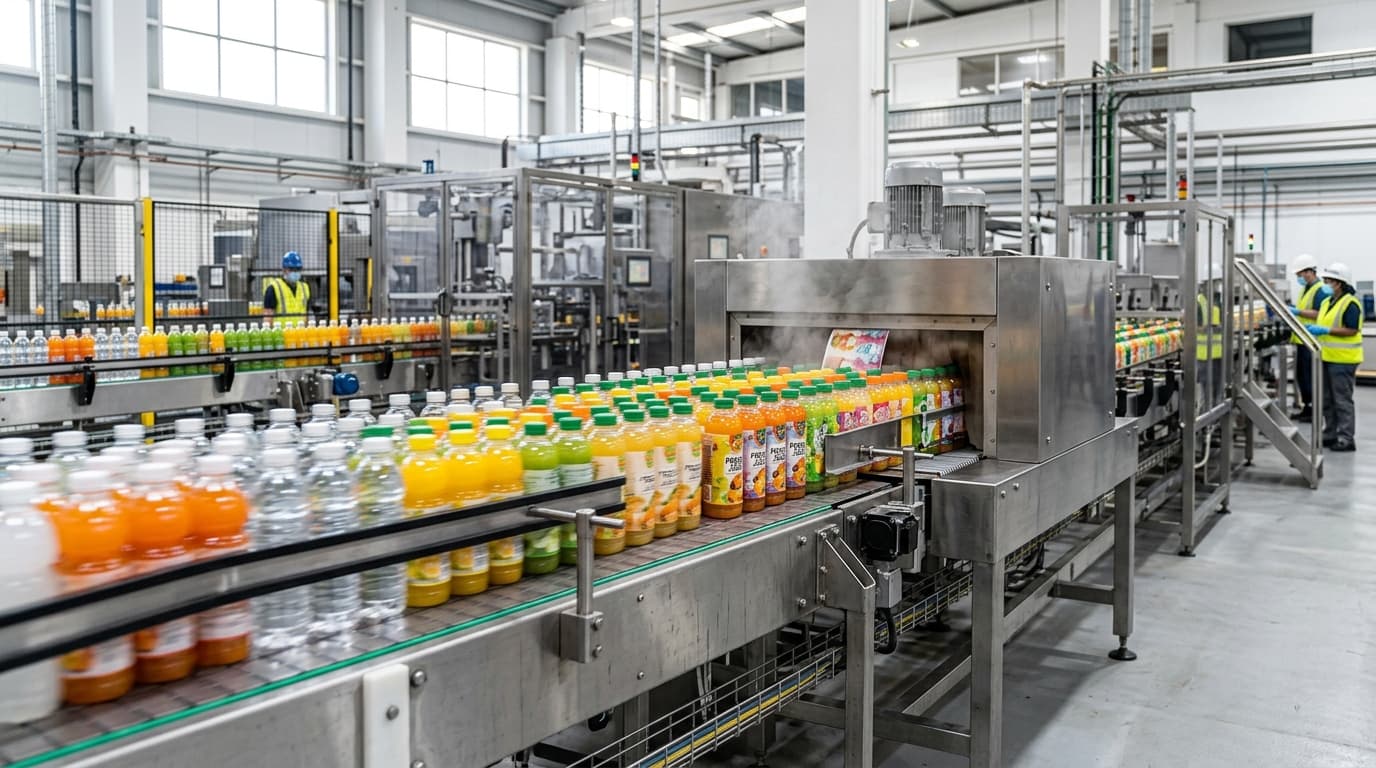
The food and beverage industry remains the primary consumer of shrink sleeve labels due to their versatility on contoured containers. Companies use these labels to maximize the printable area on bottles, allowing for more detailed nutritional information and marketing graphics. High-density materials like PET-G and oriented polystyrene are replacing older options because they offer better clarity and shrink properties. These materials provide superior resistance to moisture and scuffing during the long-distance transportation of goods.
Recent data from MarketsandMarkets indicates that the beverage segment holds the largest share of this growing market. This dominance stems from the massive global volume of bottled water, soft drinks, and alcoholic beverages produced every year. Manufacturers are investing in high-speed application machinery to keep up with these high production demands. These automated systems reduce manual labor costs and improve the precision of label placement on complex bottle shapes.
The pharmaceutical sector is also increasing its usage of these labels for security and safety purposes. Tamper-evident bands integrated into the sleeve design provide an extra layer of protection for over-the-counter medications. This integration removes the need for separate neck bands, which reduces the total amount of plastic material used in production. Manufacturers favor this method because it provides a visible and reliable indicator of product integrity to the final consumer.
"The transition toward sustainable materials is no longer optional for global packaging firms as they face increasing pressure from both regulators and environmentally conscious consumers."
— Senior Research Analyst at MarketsandMarkets
Sustainability Trends and Regional Expansion
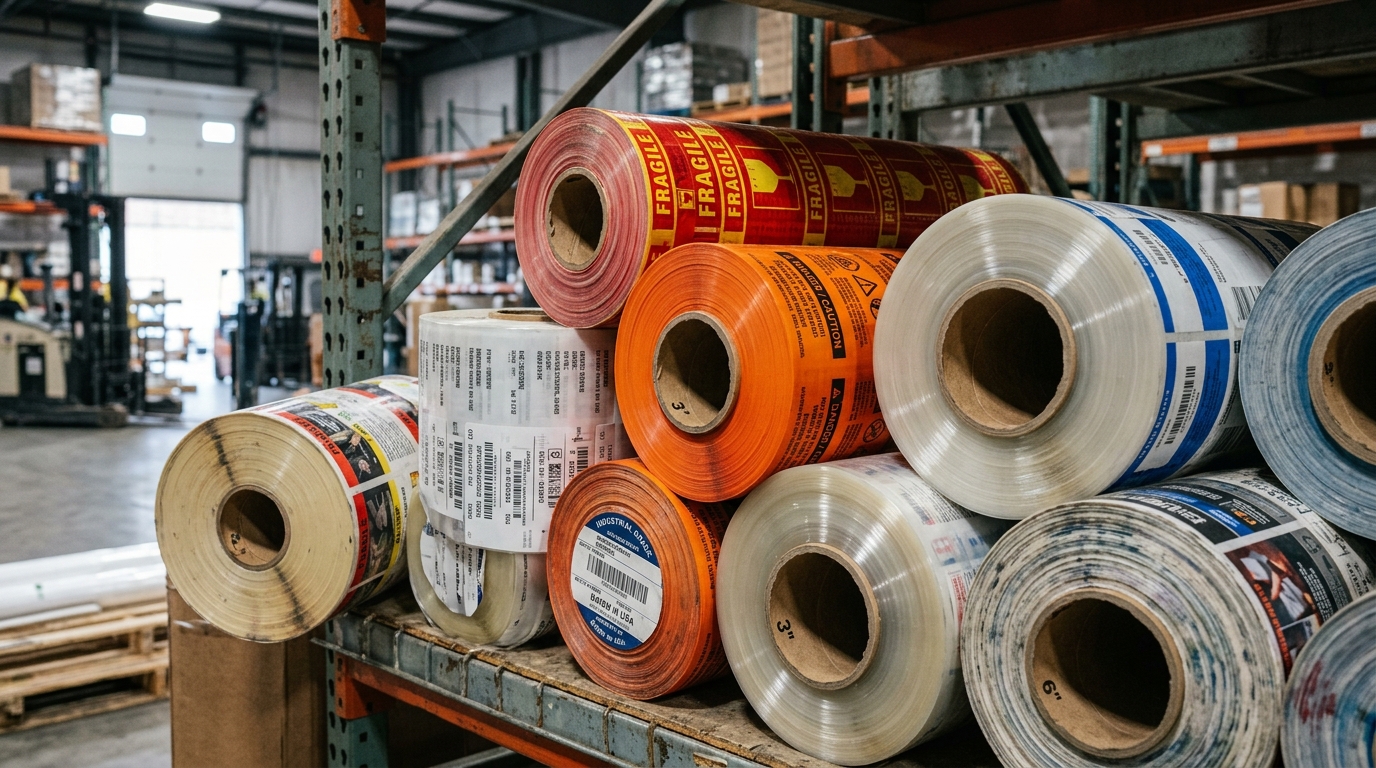
Sustainability is a major factor influencing product development across the entire labeling sector. Regulatory pressures in Europe and North America are forcing manufacturers to develop labels that are easily separable during the recycling process. New wash-off inks and perforated sleeves allow recycling facilities to process plastic bottles much more efficiently than in previous years. This focus on the circular economy is driving the adoption of polyolefin-based stretch sleeves that float during the density separation process.
The Asia-Pacific region is expected to experience the fastest growth during the forecast period. Rapid urbanization and increasing disposable income in China and India are fueling the demand for packaged consumer goods. Local manufacturers are upgrading their facilities to meet international quality standards and export requirements for high-end markets. This regional shift is attracting significant foreign direct investment from global packaging conglomerates looking to establish a permanent local presence.
Technological advancements in printing methods, such as digital and flexographic printing, are reducing setup times for short-run projects. Brands can now produce seasonal or promotional packaging without the high costs associated with traditional rotogravure printing methods. This flexibility allows smaller companies to compete with larger brands on retail shelves by offering unique designs. Improved ink adhesion and color vibrancy also ensure that labels maintain their appearance under various storage conditions and temperatures.
The shrink and stretch sleeve label market is poised for steady growth as technical improvements meet changing consumer demands. While material costs and environmental regulations present ongoing challenges, the benefits of branding and protection remain very strong. Stakeholders must balance aesthetic appeal with recyclability to maintain their market position in the coming years. Future developments in smart packaging may also integrate digital codes directly into the sleeve design to bridge the gap between physical and digital retail.