
At a Glance
- Global gravity storage market forecast to reach $14.1 billion by 2030.
- Projected to grow at a Compound Annual Growth Rate (CAGR) of 32.1%.
- Demand for grid-scale energy storage and renewables are key growth drivers.
The global market for gravity storage solutions is poised for substantial expansion, with projections indicating a rise from USD 2.0 billion in 2023 to an estimated USD 14.1 billion by 2030. This significant growth trajectory represents a Compound Annual Growth Rate (CAGR) of 32.1% over the forecast period. The increasing global demand for grid-scale energy storage and the rising adoption of renewable energy sources are primary factors propelling this market forward.
Market Trajectory and Growth Catalysts
The rapid expansion of the gravity storage market is primarily fueled by a growing need for stable and efficient energy storage systems. As grids increasingly integrate intermittent renewable sources like solar and wind, effective long-duration storage solutions become essential to ensure continuous power supply. Gravity-based systems, offering energy storage for extended periods, directly address this critical requirement for grid resilience, as highlighted by insights from Industry Research Firm.
However, this promising market faces certain hurdles. High initial capital costs for construction and installation present a notable restraint, potentially slowing wider adoption. Additionally, the specific topographical and land area requirements for gravity storage projects can limit their implementation in various regions.
Despite these challenges, ongoing technological advancements in materials and design are expected to drive down costs and enhance system efficiency, creating new opportunities. Government initiatives and supportive policies worldwide are also playing a significant role in accelerating market growth, with favorable regulations, incentives, and subsidies encouraging investment and development.
"The gravity storage solution market is experiencing significant growth, driven by the global transition towards renewable energy and the increasing need for reliable, long-duration energy storage systems. The market is expected to witness substantial technological advancements and policy support, further accelerating its expansion over the forecast period."
— Industry Research Firm
Segmentation and Competitive Landscape
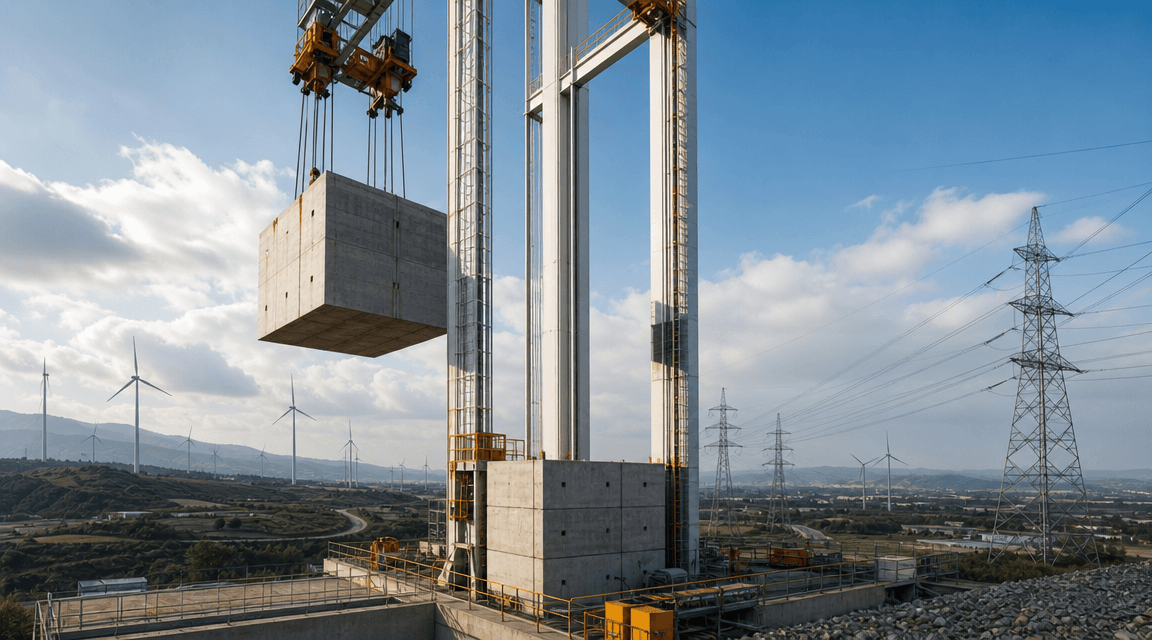
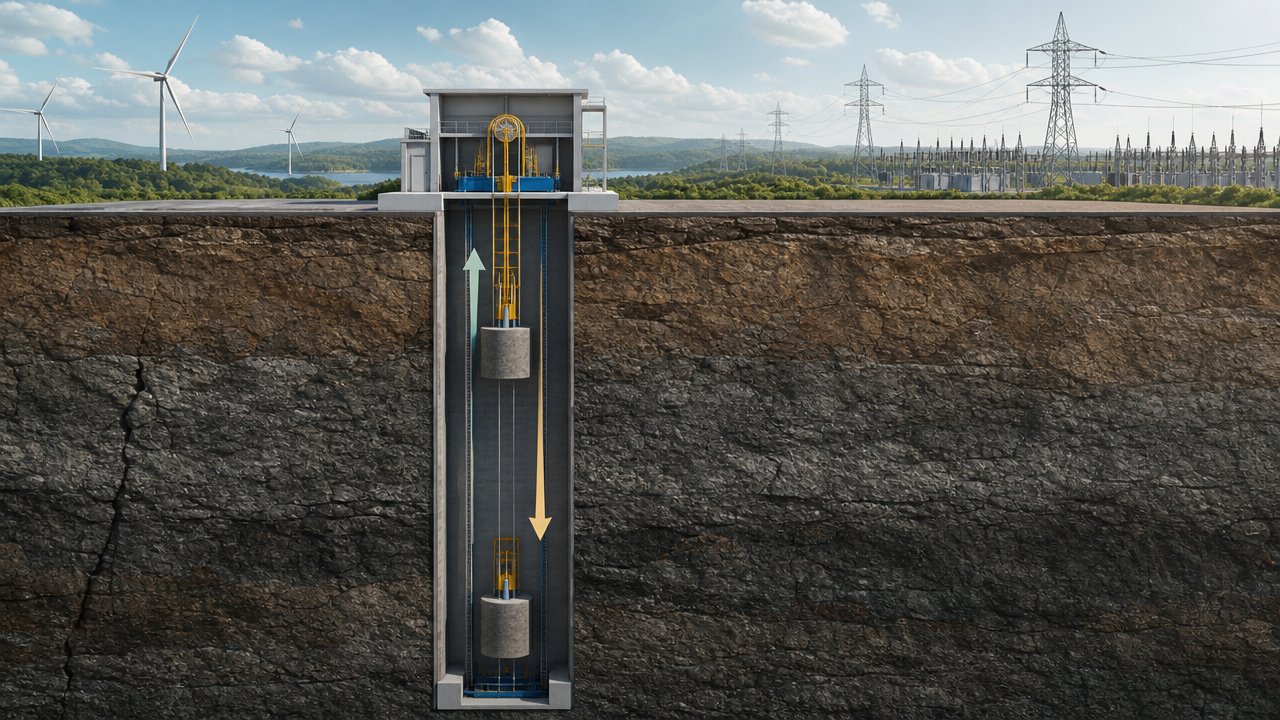
The gravity storage solution market is segmented by type, application, and geographic region, showcasing its diverse potential. Type segmentation includes solid mass gravity storage, utilizing physical weights, and pumped hydro gravity storage, which relies on water movement. Both methods store energy by lifting mass against gravity, then releasing it to generate electricity.
Applications span both grid-scale and off-grid scenarios. Grid-scale solutions are crucial for maintaining grid stability, balancing loads, and integrating large volumes of renewable energy. Off-grid applications cater to smaller-scale needs like remote communities, industrial facilities, and backup power.
Regionally, North America leads due to strong renewable energy targets and grid modernization efforts. Europe shows significant growth, propelled by decarbonization goals and supportive policies. Asia Pacific is the fastest-growing market, driven by rapid industrialization, urbanization, and escalating energy demand.
Key players in this evolving market include Energy Vault, Gravitricity, Hydrostor, and ARES North America. These companies develop and deploy various gravity storage technologies, competing to offer scalable and efficient solutions. Their efforts are central to addressing the increasing global need for sustainable and reliable energy storage.
The gravity storage solution market is on a path of strong expansion, propelled by the urgent global shift towards renewable energy and the imperative for long-duration energy storage. While facing initial capital and geographical constraints, technological progress and government backing are creating favorable conditions for its continued development. As demand for grid stability and green energy integration intensifies, gravity storage is positioned as a vital component in the future of energy infrastructure.