
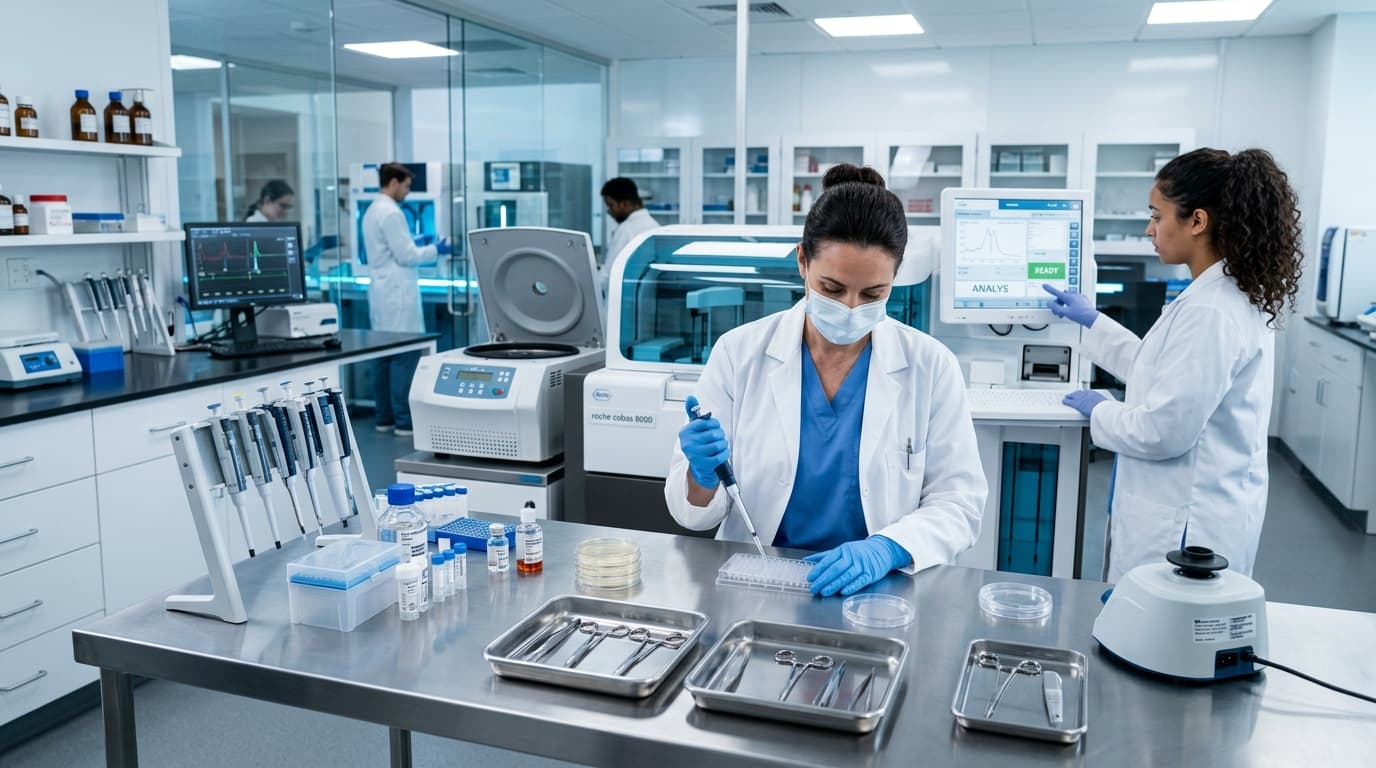
At a Glance
- Rising cancer prevalence drives global demand for advanced diagnostic tools.
- Needle-based and liquid biopsies lead market segmentation through 2033.
- North America remains the dominant regional player in the medical device sector.
The global biopsy devices market is projected to experience significant expansion between 2026 and 2033, fueled by a rising global incidence of cancer and a shift toward early diagnostic procedures. Medical professionals are increasingly adopting advanced sampling technologies to improve patient outcomes and diagnostic accuracy across various clinical settings. This growth reflects broader trends in the healthcare sector where precision medicine and minimally invasive techniques are becoming the standard of care. Market analysts suggest that technological advancements in imaging guidance will further accelerate adoption across both developed and emerging economies during the forecast period.
Technological Shifts and Market Drivers
The increasing preference for minimally invasive procedures is a primary factor influencing the biopsy device sector. Patients and providers favor these methods because they typically offer shorter recovery times and reduced risk of complications compared to traditional surgical biopsies. This shift has led to a surge in the development of sophisticated needle-based and vacuum-assisted systems that provide high-quality tissue samples with minimal trauma.
Advancements in liquid biopsy technology are also reshaping the industry by providing non-invasive alternatives for monitoring disease progression. These tests analyze circulating tumor cells or DNA in blood samples, offering a less painful experience for patients who require frequent monitoring. According to Exactitude Consultancy, the integration of these molecular diagnostic technologies into routine clinical workflows is a primary trend to watch. The ability to detect genetic mutations through a simple blood draw represents a major shift in oncology diagnostics.
Rising healthcare expenditures in developing nations are creating new opportunities for market participants. Governments are investing in diagnostic infrastructure to address the growing burden of chronic diseases and improve public health outcomes. This investment supports the procurement of high-end diagnostic equipment in public hospitals and specialized cancer centers. As these regions modernize their medical facilities, the volume of biopsy procedures is expected to rise accordingly.
Diagnostic accuracy remains the central focus for manufacturers developing new hardware for clinical use. Enhanced imaging compatibility allows for better visualization during tissue sampling, reducing the likelihood of repeat procedures and patient anxiety. These technical improvements are expected to sustain market momentum as healthcare systems prioritize efficiency and accuracy. Manufacturers are also focusing on ergonomic designs that allow clinicians to perform procedures with greater control and precision.
"The demand for biopsy devices is intrinsically linked to the global effort to detect cancer at its earliest, most treatable stages. As diagnostic technologies become more refined, we expect to see a significant shift in how tissue samples are collected and analyzed."
— Irfan Tamboli, Head of Sales at Exactitude Consultancy
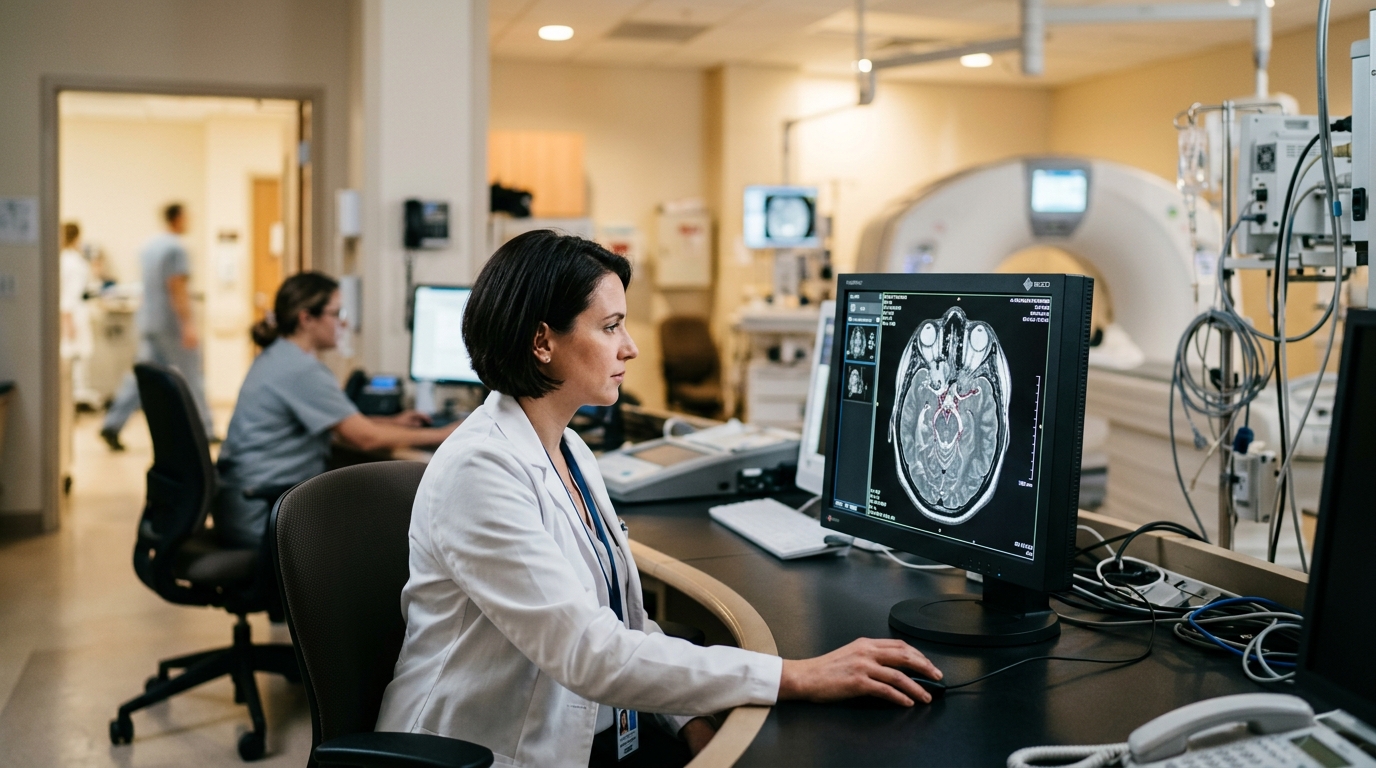
Regional Performance and Competitive Dynamics
North America currently holds the largest share of the biopsy devices market due to its established healthcare infrastructure and high awareness of cancer screening. The presence of major industry players in the United States and Canada facilitates rapid adoption of new diagnostic tools. Furthermore, favorable reimbursement policies for biopsy procedures support consistent market growth and investment in this region. The high concentration of research institutions also drives the development of next-generation biopsy instruments.
The Asia-Pacific region is anticipated to record the highest growth rate during the forecast period. Factors such as a large patient population and increasing investments in medical research contribute to this upward trend. Countries like China and India are modernizing their medical facilities to provide better access to specialized diagnostic services for their citizens. This regional expansion is supported by a growing middle class that is increasingly seeking advanced medical treatments.
Competition among key manufacturers is intensifying as companies focus on strategic partnerships and new product launches. Major players are acquiring smaller firms to expand their portfolios and gain access to proprietary technologies that enhance their market position. This consolidation helps companies maintain their competitive edge while addressing the diverse needs of healthcare providers globally. Collaboration between device manufacturers and imaging software developers is also becoming more common.
Regulatory approvals play a vital role in the commercial success of new biopsy instruments entering the international market. Stringent safety standards ensure that only high-quality devices reach the market, protecting patient safety and ensuring reliable diagnostic results. Manufacturers must adhere to complex guidelines to secure marketing authorization in different geographic territories, which requires significant investment in clinical trials. Staying compliant with these evolving regulations is a major priority for firms operating in the global medical device space.
Looking toward 2033, the biopsy devices market is poised for a period of sustained evolution driven by demographic changes and technical progress. The combination of aging populations and improved diagnostic capabilities will likely keep demand high for the foreseeable future. While challenges such as high equipment costs persist in some regions, the long-term outlook remains positive for the industry. Continued investment in research and development will be essential for companies seeking to maintain leadership in this competitive medical field.