
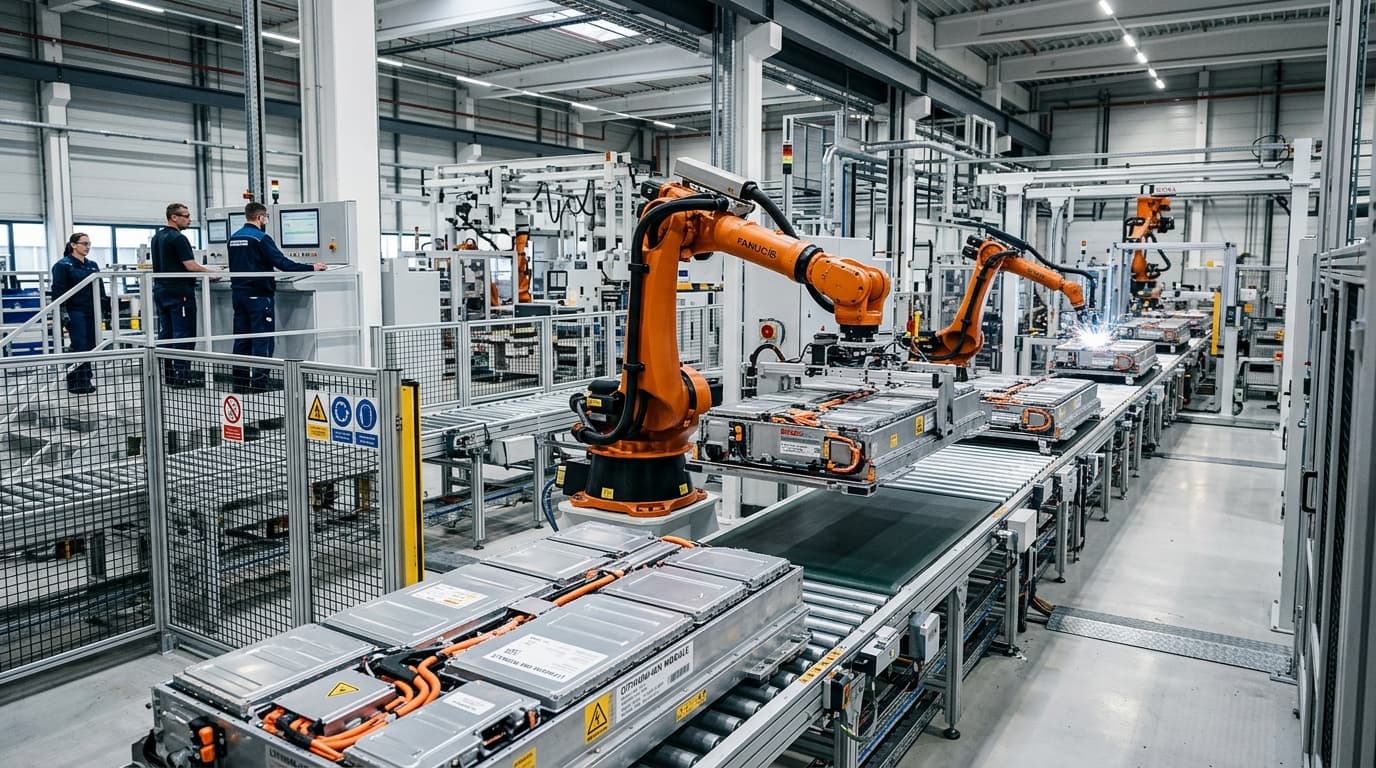
At a Glance
- Electric vehicle demand drives significant market valuation increases
- Lithium-ion technology remains the dominant segment for energy storage
- Asia-Pacific region leads global production and supply chain efforts
The global battery pack modules market is entering a phase of rapid expansion as industries shift toward electrification. Market data suggests that the demand for these units will rise as automotive manufacturers transition away from fossil fuels. This growth is supported by significant investments in battery manufacturing facilities across Asia and North America. Current projections indicate that the sector will maintain a steady upward trajectory for the foreseeable future.
Factors Driving Market Expansion
The automotive industry serves as the primary catalyst for the increasing demand for battery modules. High-performance electric vehicles require sophisticated pack configurations to ensure range and safety for consumers. Analysts note that the widespread use of lithium-ion technology has allowed for lighter and more efficient energy storage solutions.
Consumer electronics also contribute a significant portion of the total market volume. Devices such as smartphones, laptops, and wearable technology require increasingly compact and powerful battery modules. This segment benefits from the ongoing miniaturization of hardware and the need for longer runtimes.
According to a report by The Insight Partners, the market is influenced by the falling cost of raw materials. Economies of scale are allowing manufacturers to lower the price per kilowatt-hour for finished modules. This price reduction makes electric vehicles more competitive with traditional internal combustion engine cars.
Stationary energy storage systems are emerging as a vital secondary market for battery modules. These systems store excess energy generated from wind and solar farms for use during peak demand periods. Utilities are increasingly adopting these solutions to stabilize power grids and prevent blackouts.
"The shift toward renewable energy integration and electric mobility is creating a permanent structural change in the energy storage market."
— Sameer Joshi, Lead Analyst at The Insight Partners
Regional Trends and Material Sourcing
The Asia-Pacific region currently holds the largest share of the global battery pack modules market. Countries like China, Japan, and South Korea are home to the world’s leading battery cell producers. These nations have established supply chains that allow for efficient production and distribution of modules to global markets.
North America and Europe are working to build their own domestic production capabilities to ensure energy security. New legislation and tax incentives are encouraging companies to set up large manufacturing plants closer to vehicle assembly lines. This move aims to reduce transportation costs and minimize the environmental impact of long-distance shipping.
Material sourcing remains a point of focus for industry participants concerned with sustainability and ethical mining. Companies are looking for ways to reduce the amount of cobalt used in battery chemistries due to supply chain risks. Alternative formulations like lithium iron phosphate are gaining popularity for their stability and lower cost.
Recycling initiatives are becoming a necessary component of the industrial lifecycle for battery modules. Recovering metals like nickel and lithium from spent batteries helps to offset the environmental footprint of new production. Many manufacturers are now designing modules that are easier to disassemble and process at the end of their service life.
Standardized module designs are helping to reduce manufacturing complexity across the industry. When different vehicle models use the same module specifications, it allows for more efficient production lines. This standardization also simplifies the repair and replacement process for end-users.
The outlook for the battery pack modules market remains strong as global decarbonization efforts intensify. While challenges regarding raw material supply and price volatility persist, the underlying demand for energy storage continues to grow. Industry leaders are focusing on improving energy density and charging speeds to meet consumer expectations. As the technology matures, the market will likely see further consolidation among top-tier manufacturers.