

At a Glance
- Market expansion driven by escalating climate resilience needs.
- Water and agriculture sectors lead technical adoption rates.
- Asia-Pacific region projected for fastest growth through 2035.
The global adaptation market is set for significant expansion between 2026 and 2035 as governments and private entities prioritize climate resilience. A new industry report highlights how shifting weather patterns and environmental challenges are forcing a reevaluation of infrastructure and resource management. This sector encompasses diverse technologies and services designed to mitigate the effects of environmental shifts. Analysts predict that investment in these solutions will grow steadily as international policy frameworks mandate stricter compliance with sustainability targets and risk reduction protocols.
Sector Growth and Resource Management
Water management and agricultural resilience represent the primary drivers of market expansion in the coming decade. Urban areas are increasingly investing in flood defense systems and advanced drainage solutions to protect high-value assets from extreme precipitation events. These projects require significant capital expenditure but offer long-term protection against economic disruption. Municipalities are now prioritizing long-term structural integrity over short-term savings.
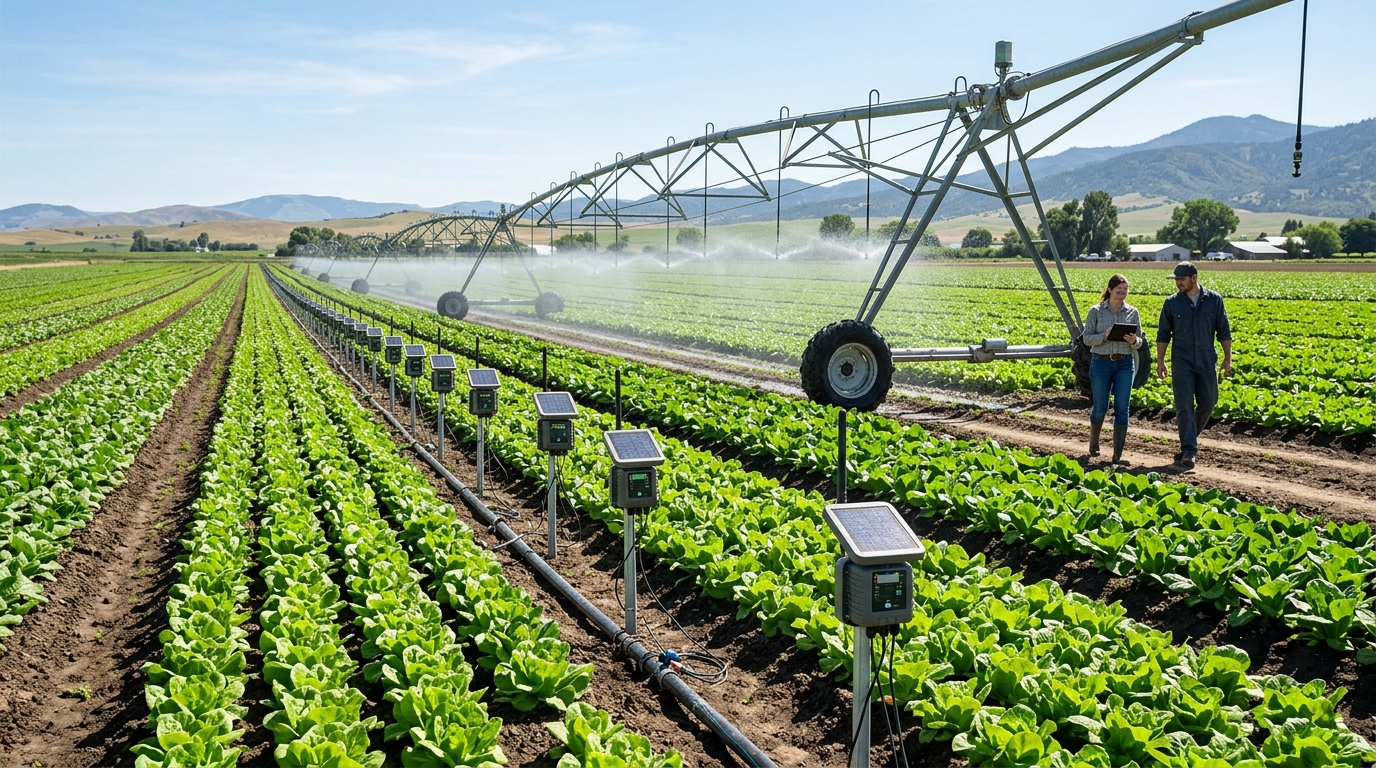
In the agricultural sector, farmers are adopting drought-resistant crop varieties and precision irrigation systems. These tools help maintain yields despite unpredictable rainfall patterns and rising temperatures. The integration of data analytics allows for better monitoring of soil health and water usage, providing a clearer picture of operational risks. Producers are seeking ways to stabilize food supply chains in the face of shifting climates.
Energy infrastructure is also undergoing a transition to handle higher demand during heatwaves and protect against storm damage. Grid modernization efforts focus on decentralization and hardened physical structures to ensure continuity of service. Market Research Intellect notes that these investments are becoming standard requirements for municipal planning and development. Utilities are forced to adapt to ensure they can meet peak loads during extreme weather.
The health sector is another area seeing increased attention within the adaptation market. Hospitals and clinics are upgrading their cooling systems and backup power supplies to manage heat-related illnesses and power outages. Public health agencies are also investing in early warning systems to alert populations about impending environmental hazards. These measures are becoming vital components of national security and public safety strategies.
"The shift toward proactive adaptation strategies marks a fundamental change in how global industries approach environmental risk management. Organizations are moving away from reactive measures and toward integrated systems that ensure long-term viability in a changing world."
— Steven Joys, Senior Analyst at Market Research Intellect
Regional Trends and Competitive Dynamics
North America and Europe currently hold significant market shares due to established regulatory frameworks and high levels of public funding for infrastructure. These regions prioritize the protection of coastal cities and the upgrading of aging utility networks. Technological adoption remains high as private firms seek to minimize insurance premiums by demonstrating resilience. Regulatory mandates are pushing companies to disclose their environmental risks more transparently.
The Asia-Pacific region is expected to witness the fastest growth rate during the forecast period. Rapid urbanization and industrialization in emerging economies necessitate the rapid deployment of protective measures. Governments in this region are allocating substantial portions of their national budgets to disaster risk reduction and sustainable urban development. This growth is supported by an increase in foreign direct investment focused on resilient supply chains.
Competitive strategies among market participants involve a mix of organic growth and strategic partnerships. Companies are focusing on specialized niches such as satellite-based monitoring and climate modeling software. This specialization allows firms to provide tailored solutions for specific geographic challenges and industry requirements. Mergers and acquisitions are also common as larger firms look to acquire niche technologies.
Financial services are playing a larger role by developing new insurance products and resilience bonds. These instruments help distribute the financial burden of adaptation across a broader range of investors. By creating clear financial incentives for resilience, the private sector is accelerating the adoption of new technologies. This financial integration is a key component of the market's long-term stability.
The adaptation market will likely remain a focal point for global investment as the physical impacts of climate change become more pronounced. Organizations that successfully integrate these resilient technologies into their core operations will be better positioned to handle future volatility. While the initial costs of implementation are often high, the long-term benefits of risk mitigation and operational stability provide a clear economic rationale. The period between 2026 and 2035 will be a defining era for the industry.