
At a Glance
- Global market projected to grow at a 7.0% CAGR through 2027.
- Rapid urbanization and infrastructure needs drive engineering demand.
- Asia Pacific region maintains the largest share of the global market.
The global geotechnical engineering market is poised for significant expansion, with a projected valuation of $78.47 billion by 2027. According to a report from Fortune Business Insights, the sector stood at $47.11 billion in 2019. This growth represents a compound annual rate of 7.0% during the forecast period. Increasing investments in infrastructure and the rising demand for sustainable energy solutions are the primary catalysts for this upward trajectory.
Infrastructure and Urbanization Drivers
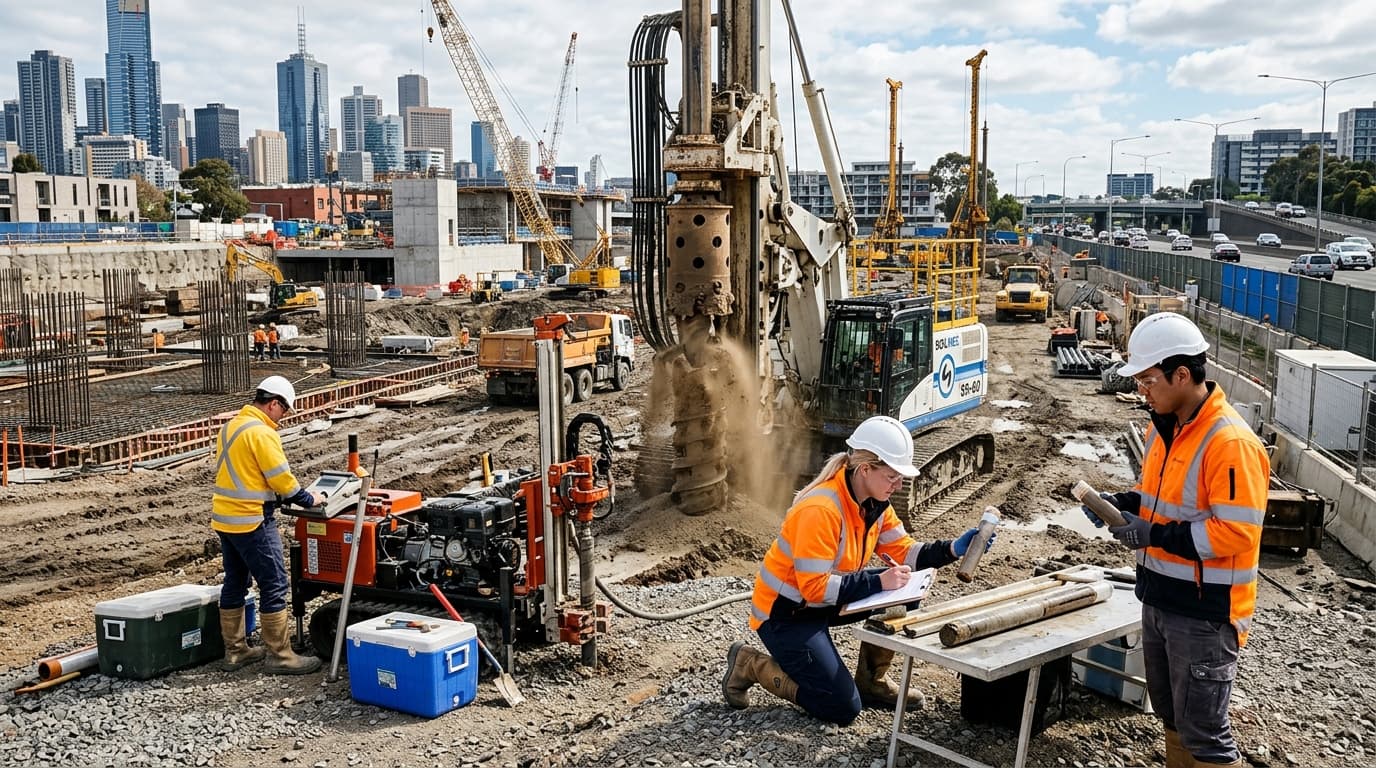
The surge in urban populations necessitates the construction of stable foundations for high-rise buildings and transit systems. Engineers focus on soil mechanics and rock mechanics to ensure the safety of these massive structures. Governments in developing nations are prioritizing bridge, tunnel, and highway projects to support economic growth. These initiatives require detailed site investigations and earthwork assessments to mitigate environmental risks.
The oil and gas industry remains a significant contributor to market demand. Offshore drilling platforms and pipeline networks rely on precise geotechnical data to operate in challenging environments. As energy needs fluctuate, the requirement for specialized engineering services in remote locations continues to grow. This trend is particularly evident in regions with significant untapped natural resources.
Renewable energy projects are also carving out a larger share of the market. Wind turbine installations, both onshore and offshore, require ground analysis to withstand environmental stresses. Solar farms also need stable foundations on various soil types to maintain long-term efficiency. These green energy transitions provide a steady stream of contracts for engineering firms.
The municipal segment holds a substantial portion of the market due to public works projects. Commercial developments, including shopping malls and office complexes, also drive demand for ground stabilization services. Residential construction remains a steady factor as housing needs grow in expanding suburban areas. Each of these sectors requires distinct engineering approaches based on specific site conditions.
"The global shift toward sustainable infrastructure and the modernization of urban centers are creating significant demand for geotechnical expertise."
— Senior Analyst, Fortune Business Insights
Regional Dominance and Competitive Factors
Asia Pacific currently dominates the global market share due to massive infrastructure spending in China and India. The region's focus on smart city initiatives and improved transportation networks fuels the demand for ground engineering. Rapid industrialization in Southeast Asian nations further contributes to this regional lead. Analysts expect this area to maintain its top position throughout the decade.
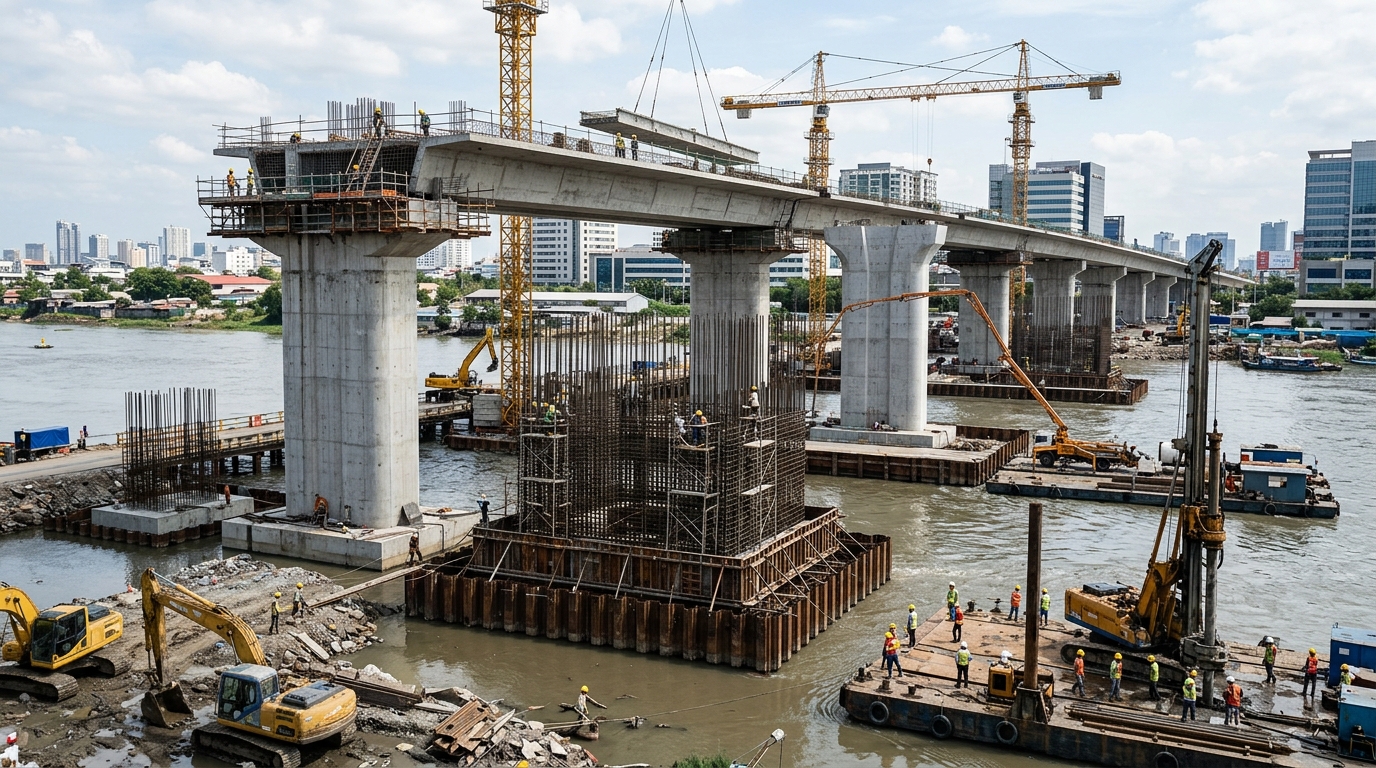
North America and Europe follow closely, driven by the need to upgrade aging infrastructure. Repairing bridges and extending subway lines in major metropolitan areas requires advanced geotechnical techniques. These regions also emphasize environmental protection, leading to stricter regulations on construction sites. Engineering firms must adapt to these standards while maintaining project timelines.
The competitive environment features several prominent global players including Bechtel Corporation and AECOM. These firms focus on strategic acquisitions to expand their service portfolios and geographical reach. Smaller specialized firms are also finding niches in environmental remediation and slope stabilization. Technological advancements in data collection and modeling are becoming key differentiators in securing high-value contracts.
The global pandemic caused temporary disruptions in construction activities, yet the market showed resilience. Many governments used infrastructure spending as a tool for economic recovery, which benefited engineering firms. This push for modernization ensures that the demand for site assessment and foundation design remains high. Market players are now focusing on efficiency to manage the backlog of delayed projects.
Looking ahead, the geotechnical engineering sector will likely focus on integrating digital tools for better risk management. Real-time monitoring and advanced soil testing will help reduce project delays and costs. As global populations continue to concentrate in cities, the necessity for stable and safe foundations will only increase. The market appears set for steady growth as it supports the physical backbone of modern civilization.