
At a Glance
- Rising brain tumor cases drive demand for non-invasive surgery
- Saudi Arabia and UAE lead regional healthcare infrastructure spend
- Market growth supported by a shift toward outpatient medical care
The Gulf Cooperation Council (GCC) gamma knife market is experiencing a period of rapid expansion as healthcare infrastructure improves across the region. Rising incidences of brain tumors and neurological disorders are driving the demand for non-invasive surgical options in nations like Saudi Arabia and the United Arab Emirates. Recent data suggests that the adoption of stereotactic radiosurgery is becoming a standard of care for patients seeking alternatives to traditional open-skull procedures. This shift reflects a broader regional commitment to modernizing medical facilities and improving patient outcomes through high-precision technology.
Regional Infrastructure and Patient Demographics
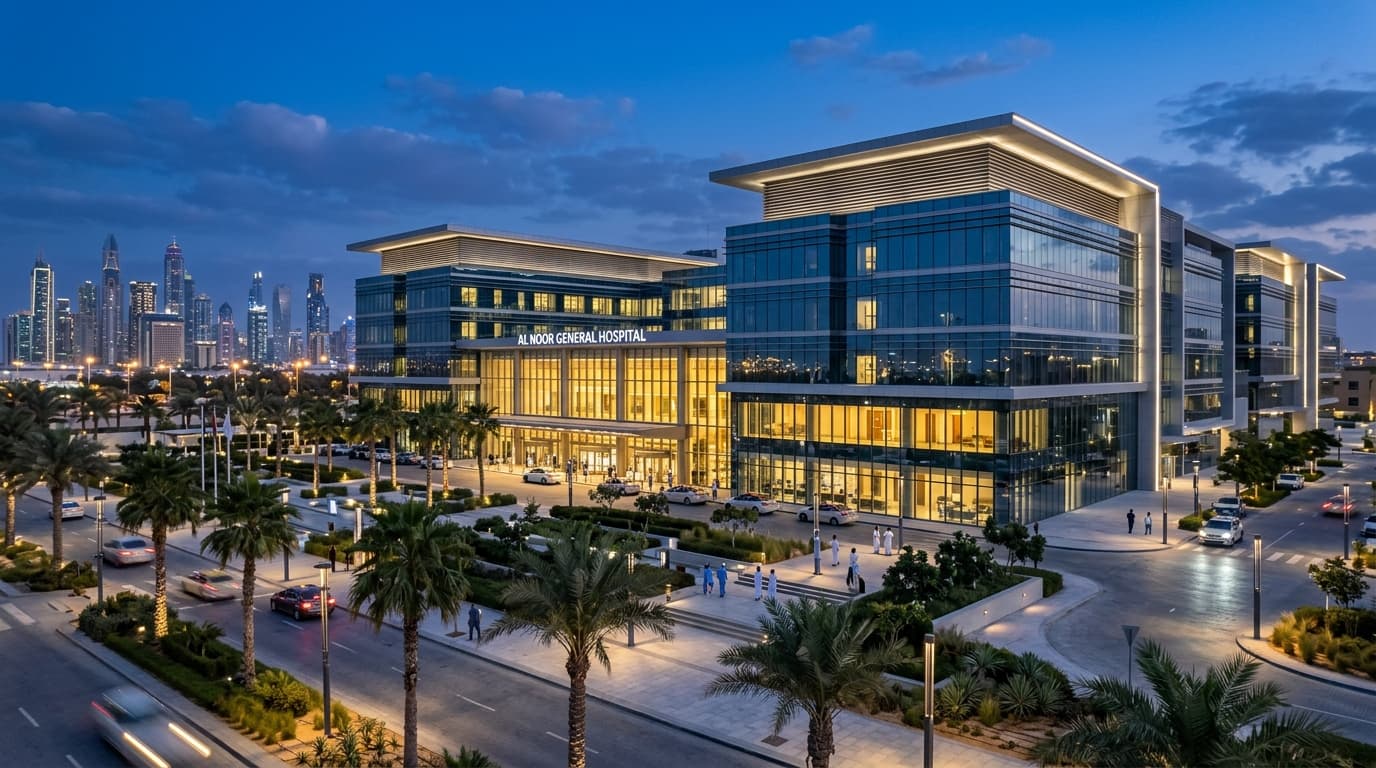
Healthcare providers in the GCC are investing heavily in advanced radiotherapy equipment to address the growing burden of chronic diseases. Government initiatives in Saudi Arabia under Vision 2030 are prioritizing the localization of high-tech medical services to improve national health. This policy shift reduces the need for patients to travel abroad for specialized neurosurgery. According to Coherent Market Insights, the regional focus on modernizing clinical assets is a primary driver for market valuation increases.
The prevalence of malignant and benign brain tumors in the Middle East has necessitated a move toward more precise treatment methods. Gamma knife technology allows surgeons to target lesions with extreme accuracy while sparing surrounding healthy tissue. This precision is particularly beneficial for treating conditions like trigeminal neuralgia and arteriovenous malformations without long recovery times. Patients increasingly prefer these methods because they minimize the risks associated with general anesthesia and infection.
Medical tourism is also playing a significant role in the market's upward trajectory within the United Arab Emirates. Dubai and Abu Dhabi have established themselves as regional hubs for specialized care, attracting patients from across the neighboring territories. The availability of sophisticated radiosurgery platforms strengthens the competitive position of these healthcare markets on a global scale. Facility operators are using these technologies to differentiate their service offerings in a crowded private healthcare sector.
Financial investments from both the public and private sectors are facilitating the installation of new units in specialized oncology centers. These facilities are often integrated within larger university hospitals or dedicated cancer institutes to provide multidisciplinary care. The steady increase in healthcare spending per capita supports the long-term viability of these expensive medical systems. Analysts expect this trend to continue as insurance coverage for non-invasive procedures becomes more common across the Gulf states.
"The integration of advanced radiosurgery systems in the GCC reflects a significant transition toward minimally invasive care. We expect continued investment as regional providers prioritize high-precision oncology tools to meet the requirements of a growing population."
— Raj Shah, Senior Consultant at Coherent Market Insights
Technological Evolution and Market Competition
The market is currently dominated by a few key players who provide the hardware and software necessary for gamma knife operations. Companies are focusing on improving the automation of treatment planning to reduce the time patients spend in the procedure room. These updates allow clinics to treat more individuals per day without sacrificing the quality of care provided. Efficiency in patient throughput is a major factor for hospital administrators looking to maximize their return on investment.
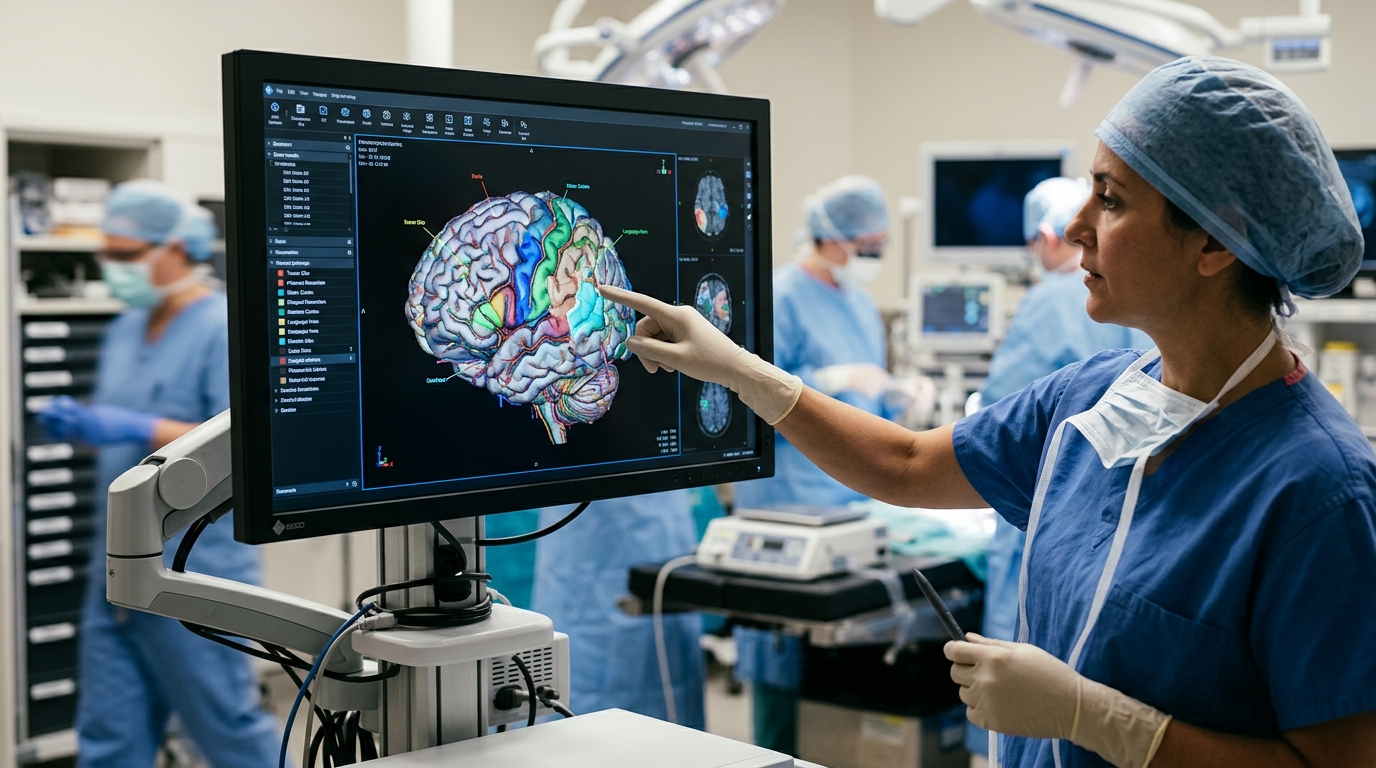
Integration with advanced imaging modalities like high-resolution MRI and CT scans has improved the efficacy of the treatment. Physicians can now visualize the target area with greater clarity, leading to better dose distribution and safer outcomes. This technical integration is a primary factor influencing the purchasing decisions of major hospital groups in the region. Better imaging leads to higher success rates for complex cases involving small or deep-seated brain lesions.
Competitive pricing and service contracts are becoming vital components of the procurement process for GCC hospitals. Manufacturers are offering tailored packages that include staff training and long-term maintenance to ensure equipment uptime remains high. This approach helps medical facilities manage the high capital expenditure associated with radiosurgery systems over several years. Local distributors are also playing a larger role in providing on-the-ground support for these complex machines.
Regulatory approvals and standardized safety protocols have also contributed to the steady deployment of these systems. Local health authorities are working closely with international bodies to ensure that radiation safety standards are strictly maintained across all facilities. These efforts build patient trust and encourage the broader adoption of gamma knife procedures as a safe alternative to traditional surgery. Clearer regulatory paths are making it easier for new technologies to enter the market quickly.
The GCC gamma knife market is positioned for sustained growth as the region continues to prioritize specialized medical services for its citizens. While high costs remain a factor, the benefits of shorter hospital stays and reduced recovery times provide a strong economic argument for adoption. As technology continues to advance, the precision of these treatments will likely improve further, expanding the range of treatable conditions. Stakeholders should expect continued expansion in both the public and private healthcare sectors over the next decade as the region matures into a global medical hub.