Galaxy Systemy Informatyczne becomes the first private firm to buy IQM hardware
The quantum computer will be deployed at a private facility in Poland
Acquisition marks a transition from academic research to industrial application
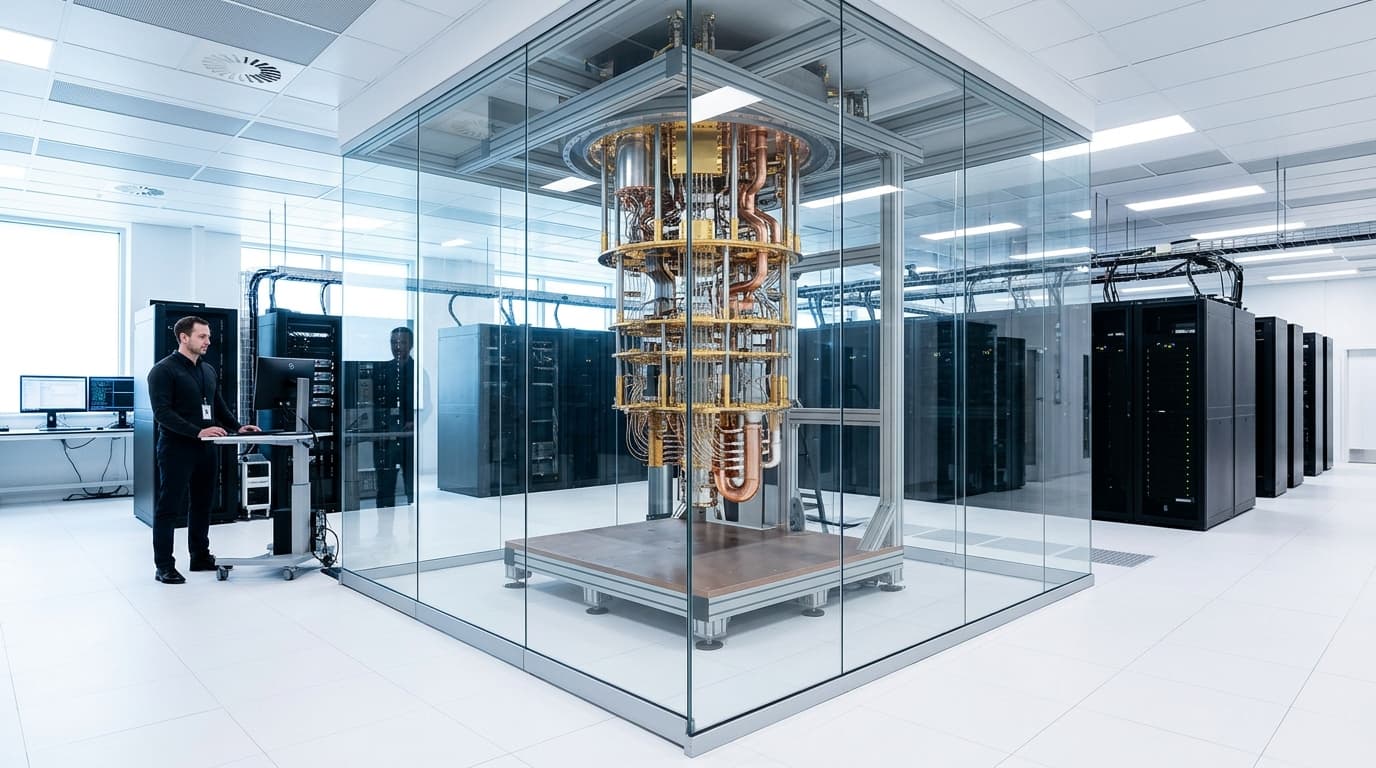
Polish IT solutions provider Galaxy Systemy Informatyczne has reached a definitive agreement to purchase a quantum computer from IQM Quantum Computers. This transaction marks the first time a private enterprise has acquired a system from the European hardware leader. The acquisition signals a shift in the quantum sector from academic research toward commercial utility. Both companies confirmed the deal will facilitate advanced computational research within the Polish private sector. This move establishes a new precedent for how private firms interact with emerging hardware technologies.
Expanding Private Sector Quantum Infrastructure
The installation will take place at a dedicated facility in Poland, establishing a new hub for high-performance computing. Galaxy intends to integrate the hardware into its existing service portfolio to address complex optimization problems. This move places the company ahead of regional competitors who rely solely on cloud-based access to quantum processors. The presence of on-site hardware reduces latency and improves data sovereignty for sensitive projects.
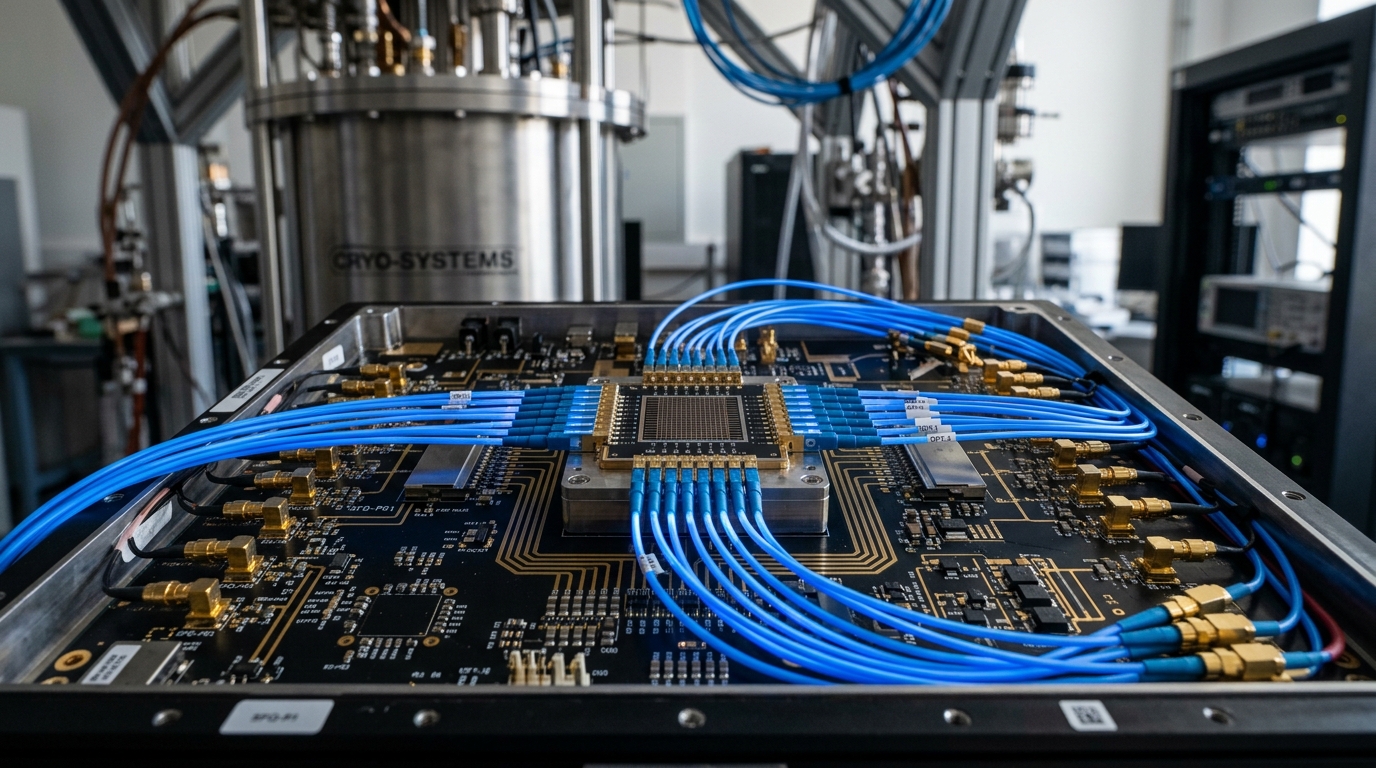
IQM will provide the hardware based on superconducting qubits, specifically designed for scalability and integration. The system allows for low-latency operations and high-fidelity gate execution. Engineers from both firms will collaborate on the initial setup and calibration phases to ensure operational stability. This technical cooperation ensures that the system meets the rigorous demands of industrial-grade workloads.
The partnership focuses on practical use cases such as financial modeling and logistics optimization. By owning the hardware, Galaxy gains full control over the computational environment and data security protocols. This autonomy is a significant factor for clients in highly regulated industries like banking and defense. These sectors require high levels of confidentiality that cloud services sometimes struggle to provide.
The financial terms of the deal were not disclosed, but the investment reflects a major capital commitment. Galaxy expects the system to provide a competitive advantage in the growing market for quantum-as-a-service offerings. This strategy aligns with broader European efforts to achieve technological independence in the computing sector. The company plans to offer dedicated time on the machine to select industrial partners.
"This purchase represents a milestone in the commercialization of quantum technology across Europe. We are providing the tools necessary for private enterprises to solve problems that exceed the capabilities of classical supercomputers."
— Jan Goetz, Co-CEO and Co-founder at IQM Quantum Computers
Galaxy Systemy Informatyczne Buys IQM Quantum Computer
Technical Specifications and Regional Impact
The IQM system features a modular architecture that supports future upgrades as qubit counts increase. This flexibility ensures the hardware remains relevant as the industry moves toward fault-tolerant computing. Galaxy plans to utilize the machine to develop proprietary algorithms for its diverse client base. The ability to modify the hardware configuration provides a distinct advantage over fixed-architecture systems.
Poland has recently emerged as a significant player in the European technology sector. This acquisition strengthens the national digital economy by bringing physical quantum assets to the local market. It also encourages the development of a specialized workforce trained in quantum programming and hardware maintenance. Local universities are expected to benefit from potential research collaborations involving the new hardware.
Global competition for quantum supremacy continues to drive investments in both hardware and software. While many firms still experiment with cloud-based simulators, Galaxy’s decision to own the physical unit suggests a long-term commitment to the technology. The deal highlights the growing maturity of the European quantum ecosystem. Industry analysts expect more private firms to follow this ownership model in the coming years.
The technical integration will involve connecting the quantum processor with Galaxy's existing classical data centers. This hybrid approach allows for efficient processing of data-heavy tasks. The company aims to provide a unified interface for clients to access both classical and quantum resources. This setup minimizes the barrier to entry for businesses looking to test quantum applications for the first time.
The deployment of the IQM system is expected to conclude by the end of the fiscal year. This project will likely serve as a blueprint for other private entities considering direct hardware investments. As the technology moves closer to commercial viability, the distinction between research and application continues to blur. Galaxy Systemy Informatyczne now sits at the forefront of this transition in Central Europe.
Stay Ahead of the News
Get the latest business news and company spotlights delivered to your inbox. No spam, unsubscribe any time.