
At a Glance
- Global market projected to grow at 2.42% CAGR through 2030.
- Industrialization and trade expansion drive demand for rail cars.
- Open and tank wagons lead specific sector growth.
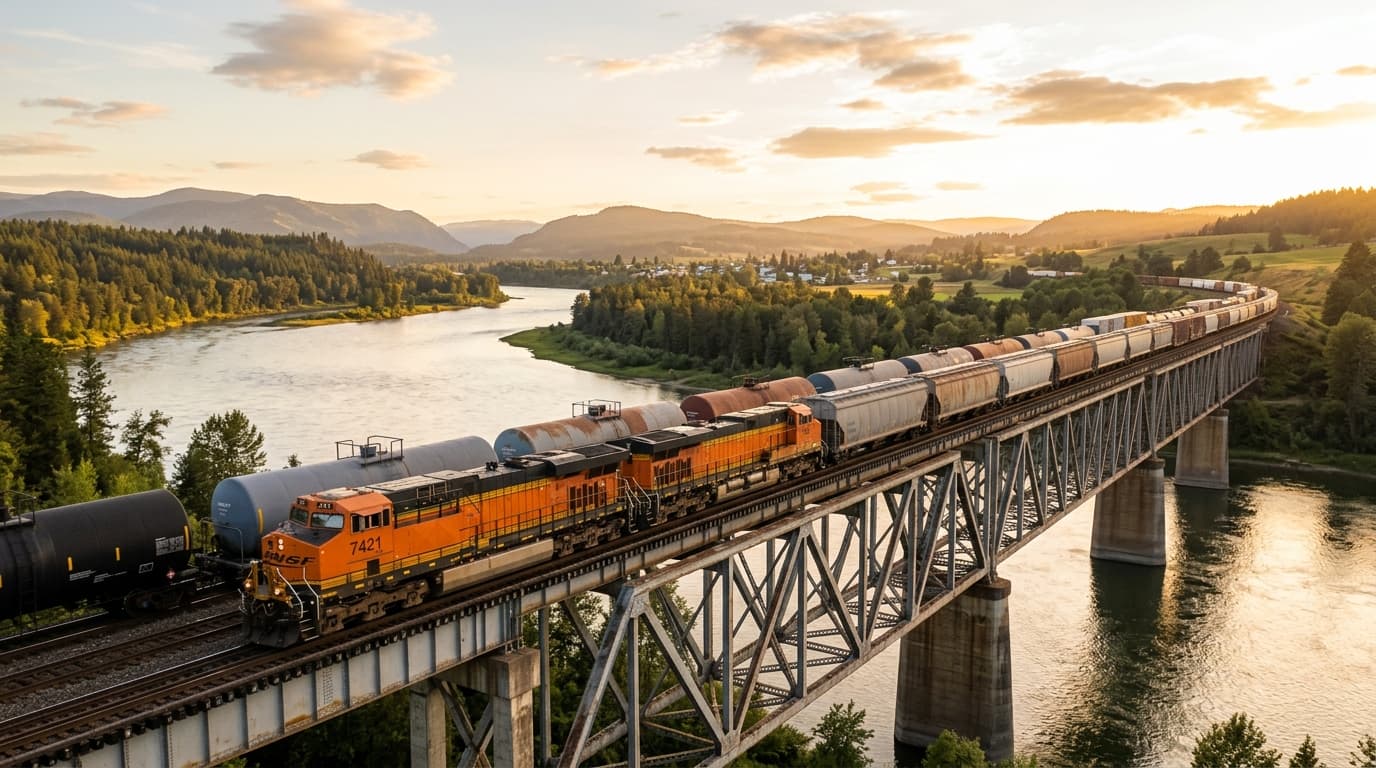
The global rolling stock freight wagons market is positioned for steady expansion, according to recent industry data. Valued at approximately USD 12.3 billion in 2023, the sector is forecast to reach a valuation of USD 14.5 billion by the end of 2030. This growth represents a compound annual growth rate of 2.42% over the next six years. Increased investments in rail infrastructure and a shift toward sustainable logistics solutions underpin this upward trajectory for international freight transport.
Regional Drivers and Industrial Demand
Rapid urbanization and industrialization in emerging economies are primary catalysts for the freight wagon sector. Governments in the Asia-Pacific region are investing heavily in rail networks to move bulk commodities more efficiently. This infrastructure development supports the transport of minerals, coal, and agricultural products across vast distances. The expansion of these networks requires a significant volume of new rolling stock to meet operational needs.
North America and Europe maintain significant market shares due to established logistics chains and strict environmental standards. Rail transport offers a lower carbon footprint compared to heavy trucking, making it an attractive option for corporations meeting green targets. The replacement of aging fleets with modern, more efficient wagons also contributes to procurement volumes. These regions prioritize rail to alleviate highway congestion and reduce overall transport emissions.
The Market Research Future report highlights that open wagons currently dominate the market share. These units are essential for transporting bulk materials like coal, ores, and scrap metal that do not require protection from weather. Their simple design and high capacity make them the preferred choice for the mining and energy sectors. Operators value these wagons for their durability and ease of loading in industrial environments.
Tank wagons are seeing increased demand due to the global trade in chemicals and petroleum products. These specialized units must adhere to rigorous safety standards to prevent leaks and environmental hazards during transit. As energy needs fluctuate globally, the requirement for reliable liquid transport remains a priority for logistics providers. This segment is expected to see consistent investment as safety regulations become more stringent.
The LAMEA region, encompassing Latin America, the Middle East, and Africa, is also showing signs of increased activity. Growing mining operations in Africa and new rail corridors in the Middle East are creating localized demand for specialized freight cars. While currently a smaller portion of the global market, these areas represent significant long-term growth opportunities. Investment in these regions often focuses on heavy-haul capabilities for raw material exports.
"The expansion of the freight wagon market is intrinsically linked to the global push for decarbonized logistics and the modernization of aging rail infrastructure across major trade corridors."
— Senior Research Analyst at Market Research Future
Technological Shifts and Fleet Management
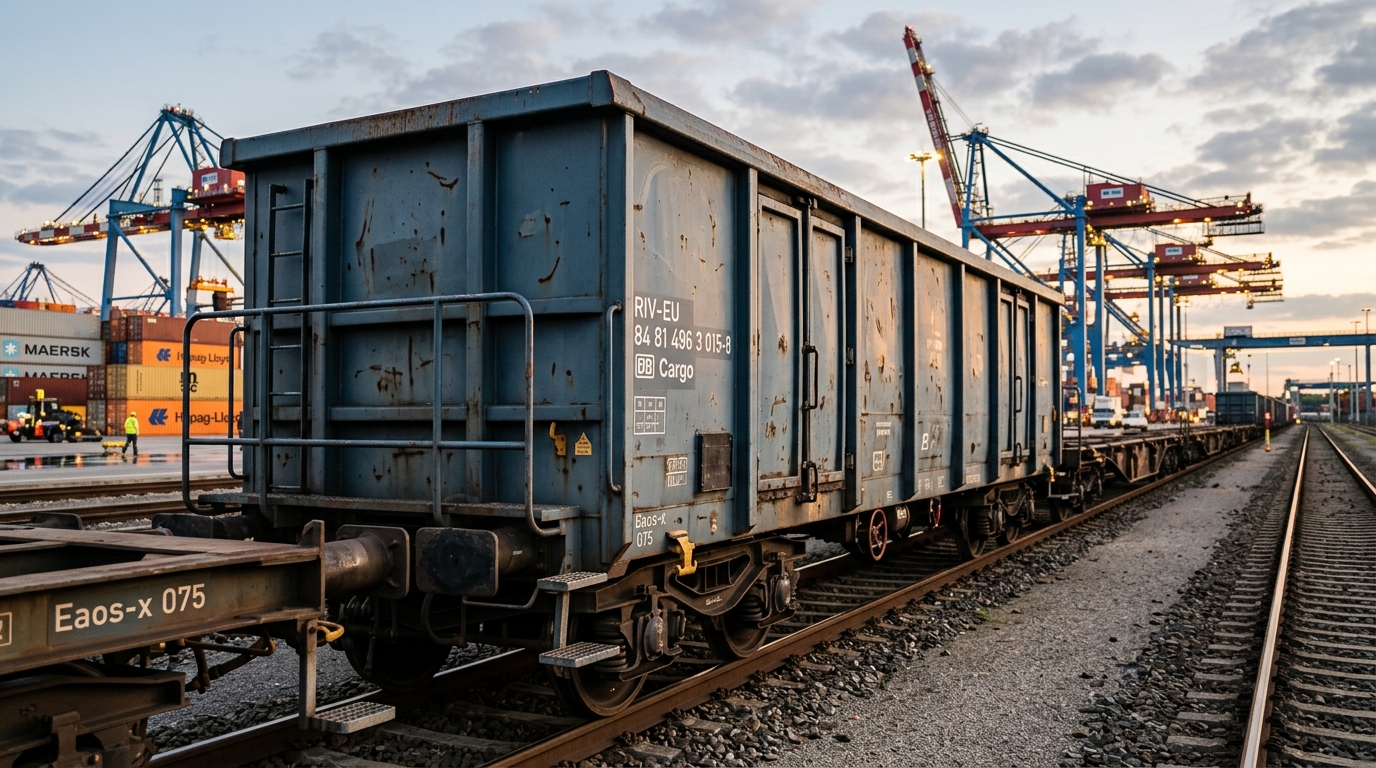
Manufacturers are focusing on increasing the load capacity and durability of freight wagons to improve operational efficiency. Advanced materials and better braking systems allow for longer trains and heavier payloads without compromising safety. These improvements help rail operators compete more effectively with other modes of transport for long-haul shipping. Higher capacity wagons directly translate to lower costs per ton-mile for freight companies.
Digital integration within rolling stock is becoming more prevalent as operators seek better tracking and maintenance data. Sensors installed on wagons provide real-time information regarding location, temperature, and mechanical health. This data allows for predictive maintenance, which reduces downtime and prevents costly equipment failures. Modern fleets are increasingly equipped with these telematics systems to optimize asset utilization.
Key industry participants including CRRC, Trinity Industries, and The Greenbrier Companies are leading the way in production. These firms are diversifying their product portfolios to include specialized wagons for intermodal transport. Intermodal shipping allows for the easy transfer of containers between ships, trains, and trucks, facilitating global trade. This flexibility is essential for modern supply chains that require multiple modes of transport.
Environmental regulations continue to influence the design and operation of freight fleets worldwide. Many regions are implementing noise reduction requirements and energy efficiency mandates for new rolling stock. These regulatory pressures force operators to retire older models and invest in equipment that meets modern sustainability criteria. Consequently, the replacement cycle for older wagons is accelerating in developed markets.
Automation in rail yards is also impacting how freight wagons are designed and utilized. New coupling systems and automated inspection technologies are being tested to speed up the assembly of freight trains. These advancements aim to reduce the time wagons spend sitting idle in terminals. Efficient yard operations are a major factor in the overall profitability of rail freight services.
Looking ahead, the rolling stock freight wagons market will remain a vital component of the global supply chain. While the growth rate is modest at 2.42%, the sheer volume of trade ensures a consistent need for new and refurbished units. As countries prioritize rail to reduce highway congestion and emissions, the market is expected to see sustained investment through 2030. The transition toward smarter and more efficient rail logistics will define the next decade of industry performance.