

At a Glance
- The Food Grade Retinol market is projected to reach US$ 4.31 billion by 2034.
- Growth is driven by rising demand for nutritional fortification and dietary supplements.
- Asia Pacific is anticipated to be a key region for market expansion.
The global Food Grade Retinol (Retinene) market is forecast to experience substantial expansion, with projections indicating it will reach US$ 4.31 billion by 2034. This represents a significant increase from an estimated US$ 2.47 billion in 2025, growing at a compound annual growth rate (CAGR) of 6.36% from 2026 to 2034. The market's upward trajectory is primarily attributed to heightened consumer awareness regarding nutritional deficiencies and a growing emphasis on preventive healthcare across global populations.
Driving Forces Behind Market Expansion
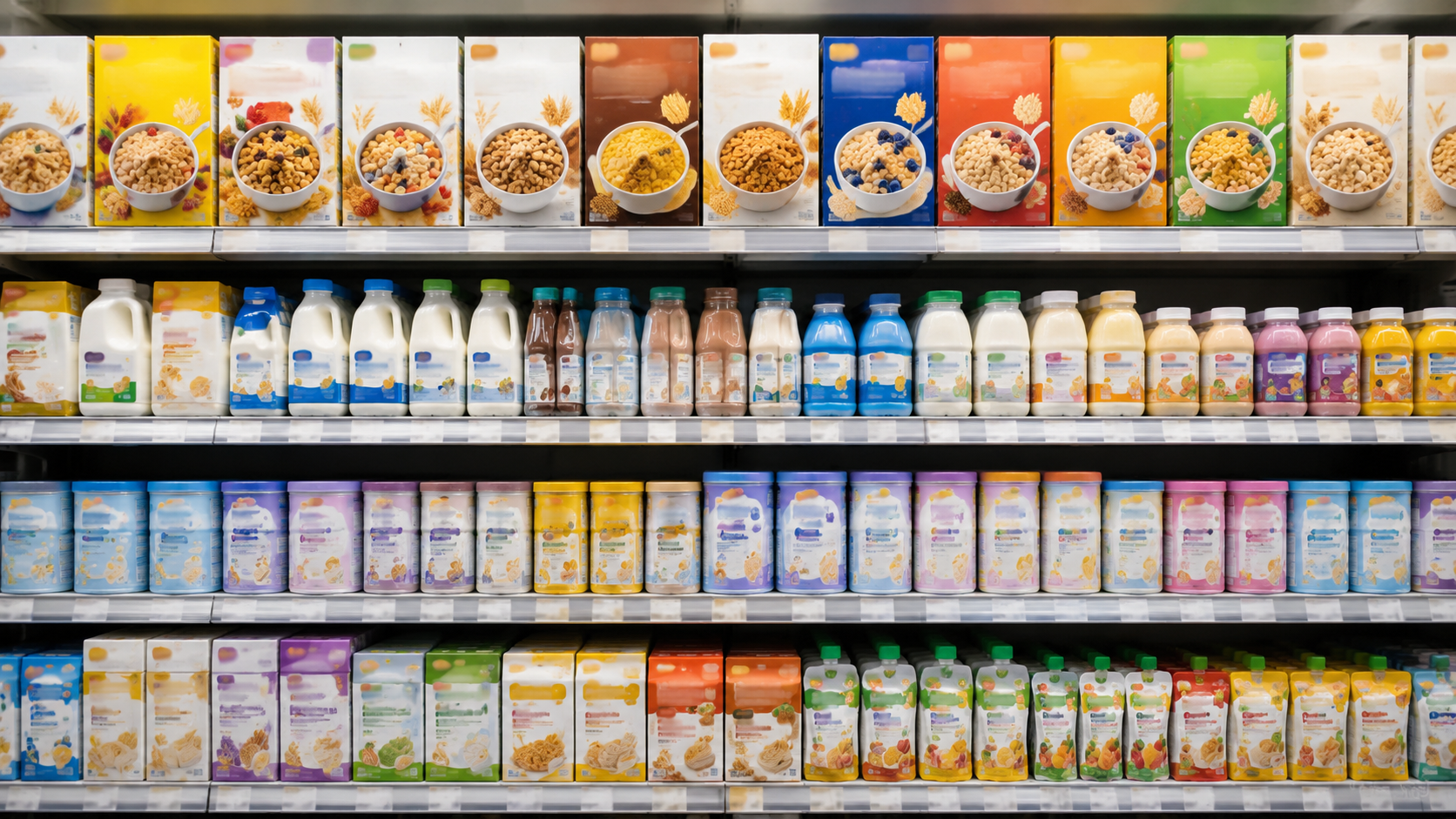
Nutritional fortification stands as a primary catalyst for market growth, as governments, healthcare organizations, and food manufacturers increasingly prioritize fortified products to enhance public health. Food grade retinol is widely integrated into dairy items, cereals, and infant nutrition formulas, boosting their nutritional content. This global push aims to address vitamin deficiencies and promote balanced diets.
The dietary supplements sector also contributes significantly to this market expansion. Consumers are actively seeking vitamins and nutritional supplements to manage their health proactively. Retinol, recognized for its benefits to vision, immunity, and skin health, is a key component in many multivitamin formulations. The increasing aging population worldwide further supports supplement consumption, as older adults often require additional nutritional support.
Expanding applications across the food and beverage industry are further fueling demand. Functional foods, fortified beverages, nutritional bars, and specialized health products are key segments driving this trend. Consumers are demonstrating a clear preference for products that offer health benefits beyond basic nutrition, prompting manufacturers to enrich offerings with essential vitamins like retinol.
Technological Advances and Global Reach
Advances in manufacturing technologies are enhancing the quality and efficiency of food grade retinol production. Companies are focusing on sophisticated processing techniques to improve product purity and stability while simultaneously reducing production costs. Improved encapsulation methods are also playing a vital role, offering better protection for retinol against environmental factors such such as light, heat, and oxygen. These developments enable manufacturers to meet stringent quality and regulatory standards, ensuring product effectiveness.
Geographically, North America remains a significant market, characterized by high consumer awareness, advanced healthcare infrastructure, and strong demand for dietary supplements. Europe also holds a substantial market share, supported by rigorous food quality regulations and the increasing adoption of fortified food products. This growth trajectory aligns with broader trends seen in specialty ingredient markets, including the magnesium chloride market forecast, highlighting a general expansion in health-focused ingredients.
The Asia Pacific region is expected to exhibit notable growth during the forecast period. Factors such as rapid urbanization, rising disposable incomes, and an expanding middle class are contributing to this market expansion. Furthermore, increasing awareness of nutritional health and public health initiatives aimed at reducing vitamin deficiencies in countries across the region are bolstering the demand for food grade retinol products, according to analysis by The Insight Partners.
The Food Grade Retinol market's projected growth reflects a global commitment to improving public health through nutrition. With established manufacturers and ingredient suppliers focusing on innovation, product development, and strategic partnerships, the competitive landscape is dynamic. Continuous investments in research and development, alongside adherence to sustainable sourcing and regulatory compliance, are expected to shape the market's evolution as it strives to meet evolving consumer expectations and address nutritional needs worldwide.