Click Below To Share & Ask AI to Summarize This Article
Save time and get the key takeaways instantly. Choose your favourite AI assistant to read and analyse this page for you.
At a Glance
- Fleet expansion targets rising heavy-duty vehicle demand.
- Rental model offers tax benefits and capital preservation.
- Maintenance and breakdown cover included in hire terms.
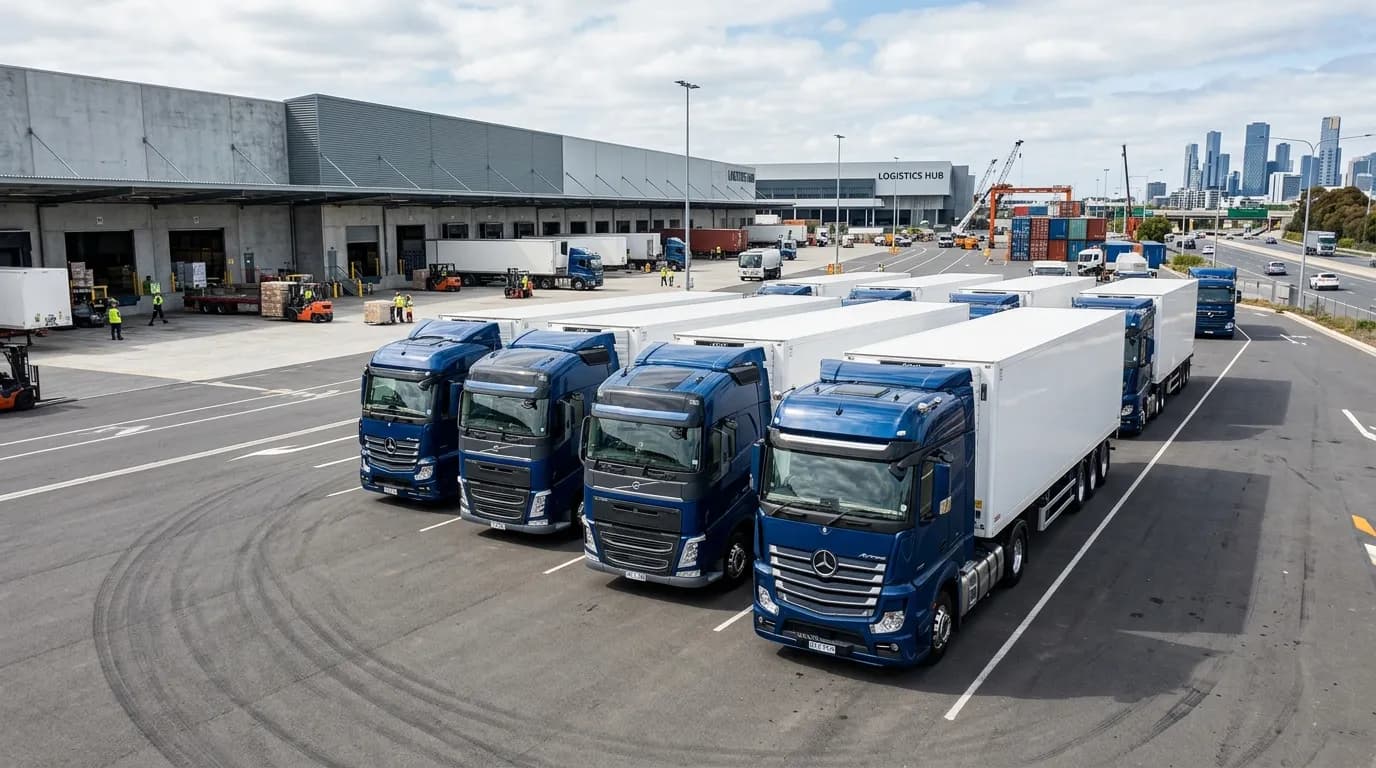
Flexible Logistics Solutions has announced a strategic expansion of its heavy-duty vehicle rental services to meet rising demand in the transport sector. The company provides a range of commercial vehicles, including heavy goods vehicles (HGVs) and specialized trailers, to businesses looking for operational flexibility. This move addresses the growing trend of logistics firms opting for rental models over permanent ownership to manage capital expenditure. The service aims to support supply chains during peak periods while reducing the financial risks associated with fleet maintenance.
Financial Benefits of Commercial Vehicle Rentals
Renting heavy-duty vehicles allows companies to preserve cash flow for other operational needs. Instead of high upfront costs, businesses pay fixed monthly rates that simplify budget forecasting. This approach protects against the rapid depreciation common in commercial transport assets.
The rental model provided by Flexible Logistics Solutions includes full maintenance and breakdown cover. This inclusion removes the uncertainty of repair costs and ensures that vehicles remain on the road. Operators can focus on delivery schedules rather than mechanical upkeep.
Tax advantages also play a role in the decision to rent commercial fleets. Rental payments are often fully deductible as business expenses, providing a more efficient tax structure than asset ownership. Companies can adjust their fleet size based on current contracts without being tied to long-term debt.
Newer rental fleets often feature the latest engine technology which improves fuel efficiency. Lower fuel consumption directly impacts the bottom line while also reducing the carbon footprint of the transport operation. Accessing modern vehicles through rentals is often more feasible than purchasing them outright.
"Businesses today require the ability to adjust their fleet size rapidly without the risks associated with asset depreciation."
— A Spokesperson for Flexible Logistics Solutions
Operational Scalability and Fleet Diversity
The logistics industry faces significant fluctuations in demand throughout the year. Having access to a diverse fleet of trailers and HGVs allows firms to scale up during busy seasons like the holidays. Once the peak passes, companies can return the vehicles to avoid paying for idle equipment.
Safety standards remain a top priority for the transport industry. All vehicles in the rental fleet undergo regular inspections to comply with current safety regulations. This commitment reduces the risk of compliance failures and improves the overall safety of the road network.
Fleet diversity allows businesses to take on specialized contracts that they might otherwise decline. Whether a project requires refrigerated units or flatbed trailers, rental services provide the specific tools for the job. This flexibility opens up new revenue streams for smaller logistics providers.
Telematics and tracking software integrated into rental units provide real-time data on vehicle performance. Managers can monitor driver behavior and optimize routes to ensure timely deliveries. This data-driven approach helps in maintaining high service levels for end customers.
The shift toward rental models reflects a broader change in how the logistics industry manages physical assets. By prioritizing operational agility over asset ownership, companies can react faster to market changes and economic shifts. Flexible Logistics Solutions continues to position itself as a key partner for firms seeking to optimize their supply chain costs. As the industry moves forward, the reliance on flexible fleet solutions is expected to grow among both small and large-scale operators.
Stay Ahead of the News
Get the latest business news and company spotlights delivered to your inbox. No spam, unsubscribe any time.
We respect your privacy. Unsubscribe at any time.