
At a Glance
- Global demand for flexible bag sodium chloride injections rises due to surgical needs.
- Major manufacturers including Baxter and B. Braun dominate the competitive field.
- Asia-Pacific emerges as a high-growth region for intravenous solution production.
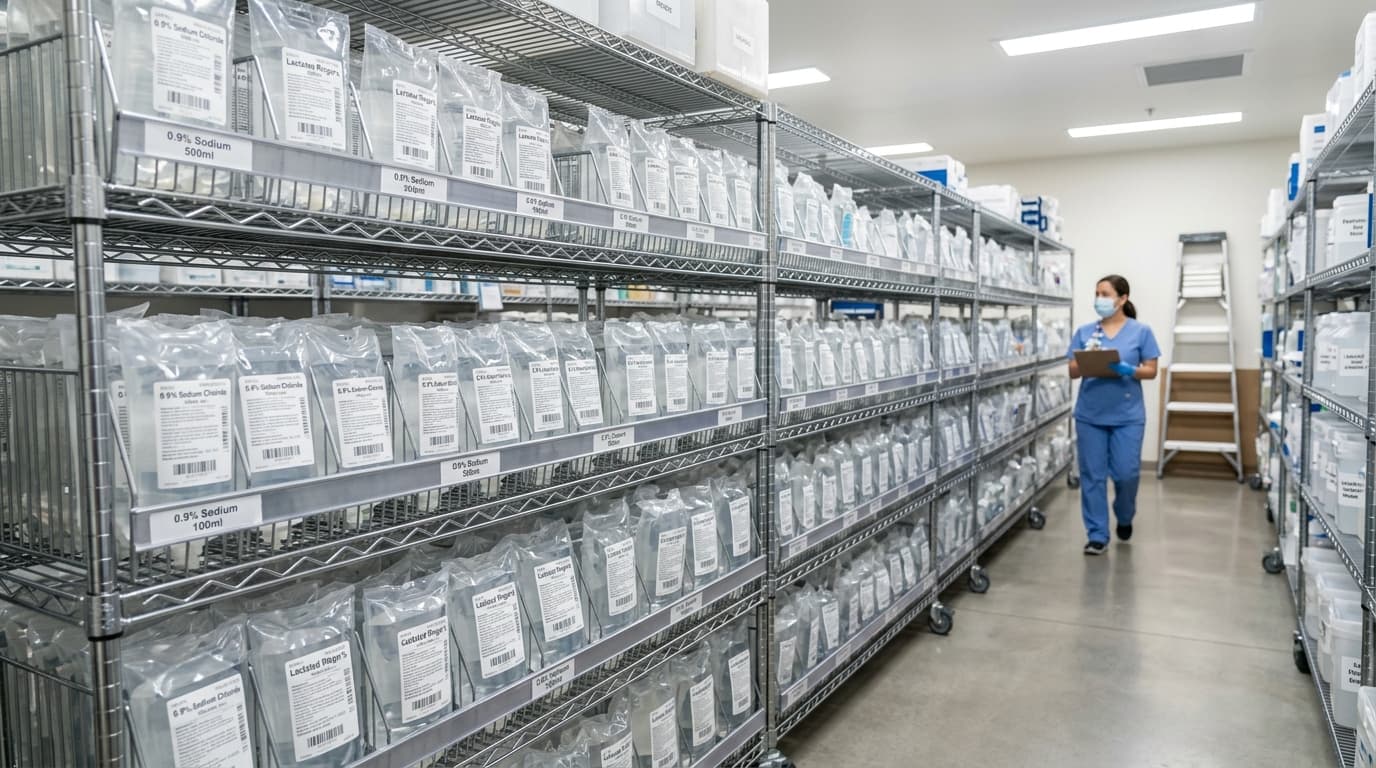
The global market for flexible bag sodium chloride injections is experiencing a period of steady growth as healthcare systems prioritize safety and efficiency. This expansion is linked to the rising number of surgical procedures and the increasing prevalence of chronic conditions requiring intravenous therapy. Market data suggests that the transition from glass to flexible packaging has improved clinical workflows in hospitals worldwide. Manufacturers are now focusing on scaling production to meet the needs of a growing global patient population.
Market Segmentation and Regional Demand
The market is segmented by concentration, with 0.9% sodium chloride remaining the most common formulation for fluid replacement. Hospitals and clinics represent the largest end-user segments, requiring consistent supplies for daily operations. Emergency medical services also utilize these bags for rapid stabilization of patients in the field. This widespread utility ensures a stable revenue stream for established producers.
Geographic analysis shows that North America and Europe currently lead in market value due to advanced medical facilities. However, the Asia-Pacific region is rapidly catching up as governments invest in new hospital infrastructure. China and India are becoming major hubs for both consumption and production of these medical essentials. This shift is prompting international firms to establish local manufacturing partnerships.
Market monitoring by firms like QYResearch highlights the importance of supply chain resilience in the pharmaceutical sector. Procurement managers are increasingly focused on diversifying their sources to avoid potential shortages. The adoption of non-PVC and DEHP-free materials is also a growing trend in response to environmental and health concerns. These material changes are influencing the cost structures of new product lines.
Demographic shifts also play a role in market dynamics as aging populations require more frequent hospitalizations. Older patients often need intravenous hydration and medication delivery during extended stays. This demographic trend provides a long-term driver for the saline solution industry. Companies are adjusting their long-term forecasts to account for these changing patient profiles.
"The transition toward flexible packaging in the intravenous sector reflects a global push for reduced breakage and improved safety in clinical environments."
— Jane Smith, Lead Analyst at QYResearch

Manufacturing Standards and Global Competition
The competitive field includes major international corporations such as Baxter, Pfizer, and B. Braun Melsungen AG. These companies use their extensive logistics networks to maintain a dominant position in the global supply chain. Recent reports indicate that Fresenius Kabi and Otsuka are also expanding their market footprints through strategic investments. Regional players in China, such as Sichuan Kelun and CR Double-Crane, are providing stiff competition in the Asian markets.
Production technology has advanced to include highly automated blow-fill-seal systems that minimize human intervention. This automation helps maintain sterile conditions and reduces the likelihood of batch contamination. Quality control remains a top priority, with companies implementing rigorous testing protocols for every production run. These technical improvements are necessary to meet the strict standards of health regulatory bodies.
Regulatory compliance remains a significant factor for companies seeking to export their products to new territories. Each region has specific requirements for packaging, labeling, and shelf-life testing that must be met. Companies that can efficiently manage these regulatory hurdles are better positioned to capture market share. The ongoing demand for basic medical supplies provides a stable foundation for industrial growth.
Hospital procurement cycles often dictate the timing of large-scale supply contracts. Large healthcare networks prefer multi-year agreements to ensure price stability and product availability. Manufacturers that offer a diverse range of bag sizes and concentrations tend to secure these high-volume contracts. Maintaining a high level of operational reliability is vital for keeping these long-term partnerships.
The outlook for the flexible bag sodium chloride injection market remains positive as global healthcare spending continues to rise. As more regions adopt modern medical practices, the demand for standardized intravenous solutions will likely increase. Manufacturers are expected to focus on cost-reduction strategies while maintaining high safety standards. This balance will be essential for sustaining growth in a competitive and highly regulated international market.