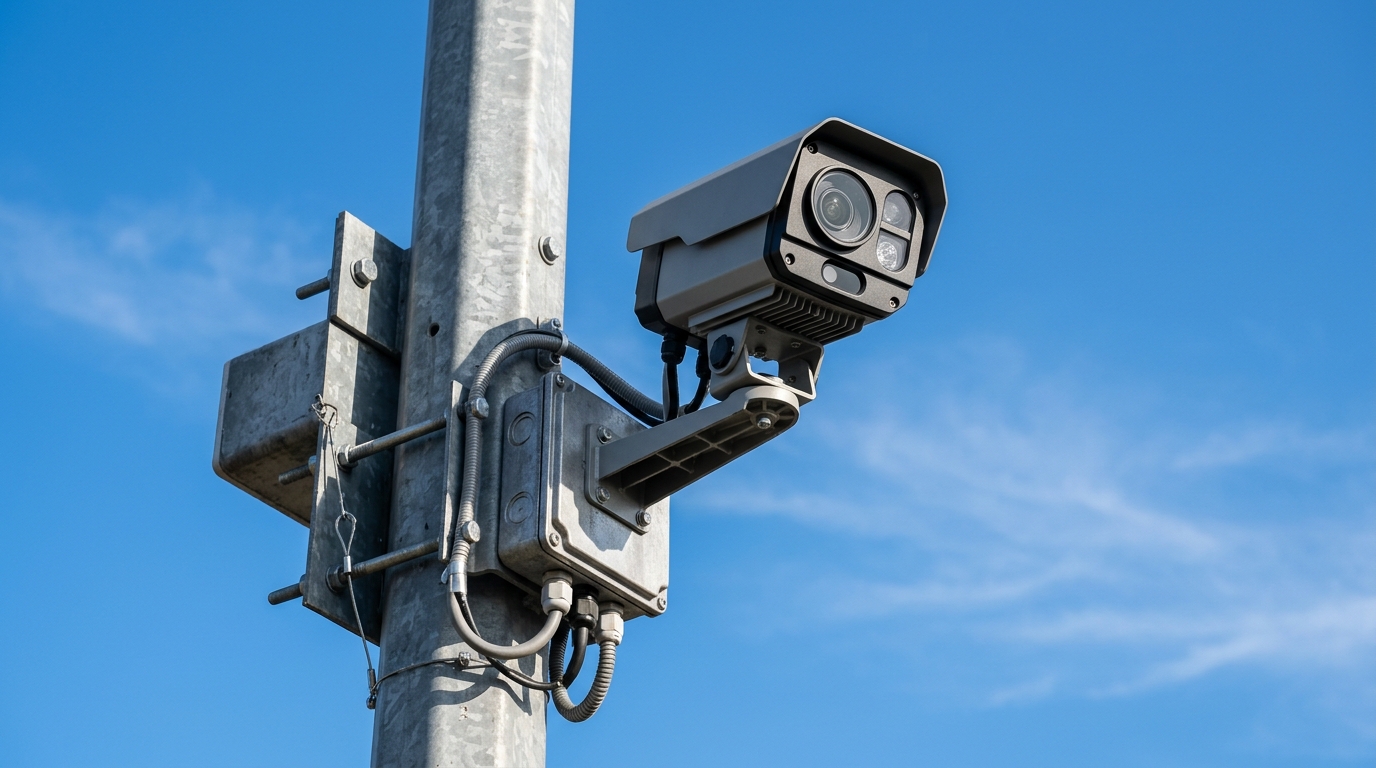
Automated system targets speeding and red-light violations.
AI-driven cameras provide 24/7 monitoring in all weather.
Data analytics help cities optimize road safety strategies.
Filum recently introduced its latest automated traffic enforcement system (ATES) designed to address rising safety concerns on urban roadways. The system utilizes advanced sensor technology and artificial intelligence to monitor vehicle behavior in real-time. By automating the detection of common violations such as speeding and red-light running, municipalities can reduce the reliance on manual policing. This deployment aims to decrease accident rates and improve overall traffic flow through consistent enforcement mechanisms across high-risk intersections.
Technological Integration for Road Monitoring
The ATES platform integrates high-resolution cameras with sophisticated computer vision algorithms to identify multiple infractions simultaneously. It tracks vehicle speeds and monitors lane discipline without requiring human intervention. This data is then cross-referenced with national vehicle databases to ensure accuracy.
Filum provides a centralized dashboard where traffic authorities can review captured evidence and issue citations. The system functions continuously, maintaining high performance during nighttime or adverse weather conditions. This reliability ensures that safety standards remain consistent regardless of environmental factors.
The hardware components are designed for durability and ease of installation on existing infrastructure like utility poles or gantries. Each unit includes onboard processing capabilities to minimize latency in data transmission. This local processing reduces the bandwidth required for cloud-based storage and analysis.
Real-time alerts allow law enforcement to respond quickly to high-priority incidents. The system logs every event with a timestamp and photographic evidence to support legal proceedings. This objective record-keeping reduces disputes regarding traffic citations in local courts.
"Our automated systems provide the data-driven insights necessary for city planners to create safer environments for both drivers and pedestrians."
— Company Representative, Filum
Filum Deploys AI to Reduce Traffic Violations
Impact on Urban Safety and Compliance
Cities implementing these automated solutions often report a significant decrease in reckless driving behaviors within the first few months. The presence of visible enforcement technology serves as a deterrent for potential violators. This shift in driver psychology leads to more predictable traffic patterns in congested areas.
Beyond simple enforcement, the system generates detailed reports on traffic density and peak violation times. Urban planners use this information to adjust signal timings or redesign dangerous road segments. These modifications contribute to a long-term strategy for reducing fatalities on public roads.
Automated License Plate Recognition (ALPR) technology allows the system to identify stolen vehicles or those associated with specific alerts. This functionality extends the utility of the system beyond traffic safety into broader public security. Authorities receive instant notifications when a flagged vehicle passes through a monitored zone.
The software supports integration with existing municipal databases to automate the billing and collection process. This reduces the administrative burden on city staff and ensures a more efficient revenue cycle. Consistent enforcement also helps fund further safety improvements across the local transportation network.
The adoption of automated enforcement represents a significant step toward smarter city infrastructure. As urban populations continue to grow, the demand for efficient and objective monitoring tools will likely increase. Filum remains focused on refining its sensor technology to meet these evolving challenges. Future updates may include pedestrian detection and integration with autonomous vehicle networks to further enhance safety. This ongoing development suggests a permanent shift in how municipalities manage their transportation networks.
Stay Ahead of the News
Get the latest business news and company spotlights delivered to your inbox. No spam, unsubscribe any time.