
At a Glance
- Global ferrous scrap recycling market to grow at 5.3% CAGR through 2030.
- Rising steel demand in construction and automotive sectors drives volume.
- Asia-Pacific region maintains dominance in global market share.
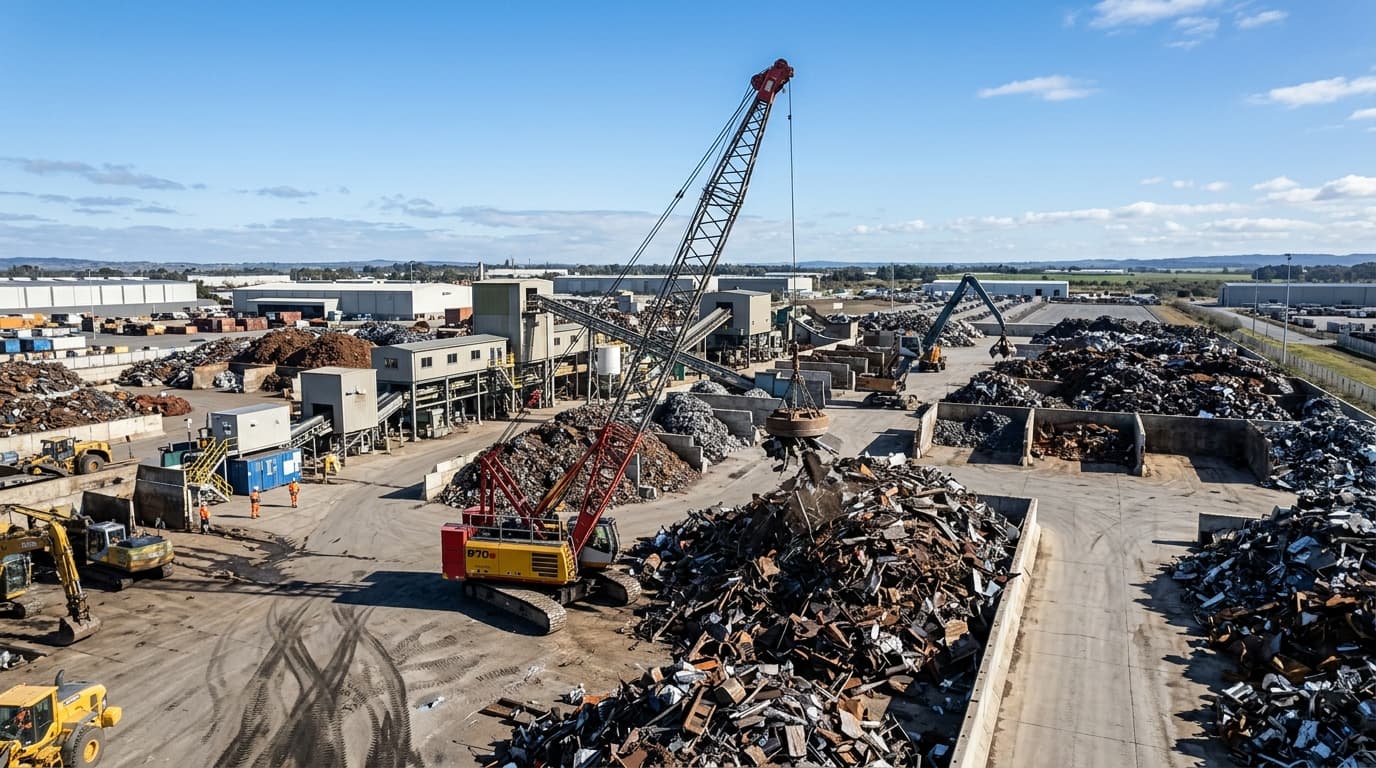
The global ferrous scrap recycling market is poised for significant expansion, with analysts from Market Research Future projecting a compound annual growth rate of 5.3% over the forecast period. This growth stems from the increasing demand for steel in developing economies and a global shift toward sustainable manufacturing practices. Recycling iron and steel products reduces the carbon footprint of the metal industry while preserving natural resources. Industrialized nations are prioritizing scrap metal recovery to stabilize supply chains and reduce dependency on imported raw materials. This trend reflects a broader commitment to resource efficiency across the globe.
Industrial Applications and Growth Drivers
The construction industry remains a primary contributor to the demand for recycled ferrous materials. Structural steel, rebar, and various metal components used in infrastructure projects frequently utilize scrap-based production methods. This reliance helps construction firms manage material costs while meeting green building certifications. The efficiency of electric arc furnaces allows manufacturers to process scrap metal with lower energy requirements than traditional blast furnaces.
Automotive manufacturing also plays a vital role in the supply and demand of ferrous scrap. Old vehicles provide a consistent stream of high-quality steel that can be reprocessed into new automotive parts or structural components. Manufacturers are adopting circular economy models to ensure that end-of-life vehicles return to the production cycle. This systematic approach minimizes waste and supports the long-term viability of the automotive sector.
Technological advancements in sorting and processing are improving the purity of recovered metals. Automated systems now use sensors and magnets to separate different grades of iron and steel with high precision. These improvements allow recyclers to command higher prices for their output while providing steel mills with cleaner feedstock. Enhanced processing capabilities are essential for meeting the strict quality standards required by modern engineering projects.
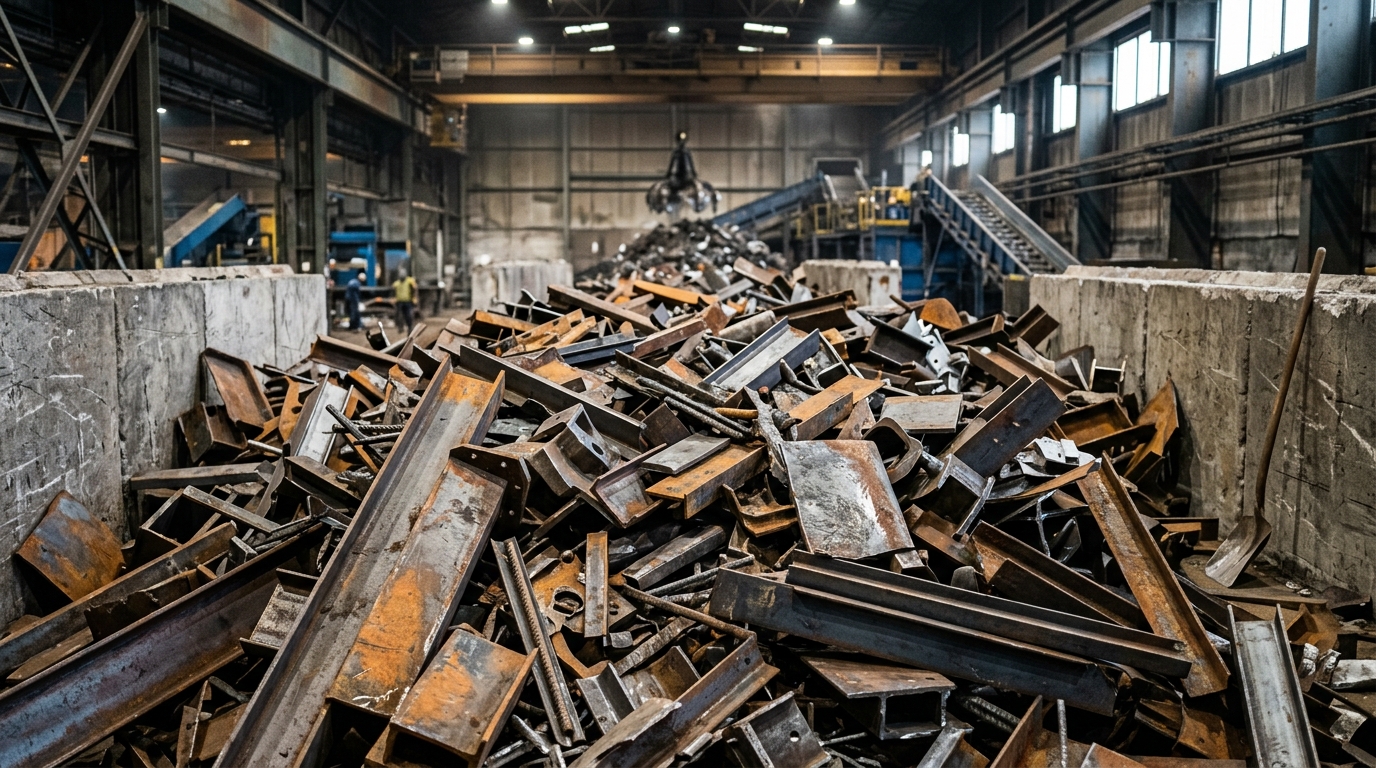
Heavy melting steel and plate scrap are seeing increased demand due to their high density and yield. These materials are preferred by large-scale foundries that require consistent chemical compositions for specialized alloys. The ability to source these materials locally reduces transportation costs and logistical complexities. As a result, the secondary metal market is becoming a cornerstone of industrial stability.
"The shift toward electric arc furnace technology is a primary factor driving the demand for high-quality ferrous scrap globally. As steelmakers aim for carbon neutrality, the integration of recycled materials becomes a standard operational necessity rather than an optional strategy."
— Senior Research Analyst, Market Research Future
Regional Market Dominance and Trends
Asia-Pacific continues to dominate the global market due to rapid urbanization and massive infrastructure investments in China and India. These nations are expanding their domestic recycling capabilities to support their growing steel industries. Government initiatives in the region often provide incentives for metal recovery to mitigate the environmental impact of heavy industry. The sheer volume of manufacturing in this region ensures a steady flow of industrial scrap.
In North America and Europe, the market is characterized by mature recycling infrastructures and stringent environmental regulations. These regions focus on optimizing the collection of post-consumer scrap from households and small businesses. Policy frameworks often mandate specific recycling rates for metal packaging and electronic waste. This regulatory pressure ensures that ferrous materials are diverted from landfills and returned to the industrial supply chain.
The global trade of ferrous scrap is also evolving as countries implement export restrictions to protect domestic supplies. Some nations view scrap metal as a strategic resource necessary for their own industrial stability. These shifts in trade policy force recyclers to find new domestic markets or invest in higher-value processing. Consequently, the market is becoming more localized, with a focus on regional self-sufficiency.
The outlook for the ferrous scrap recycling industry remains positive as the world moves toward a more resource-efficient economy. Continued investment in recycling technology and infrastructure will be necessary to handle the increasing volume of metal waste. As industries strive to meet ambitious environmental targets, the role of recycled steel will only grow in importance. Stakeholders must adapt to changing market dynamics and regulatory requirements to maintain their competitive edge in this evolving sector.