
At a Glance
- Global market valuation expected to grow at a 12.0% CAGR over the next decade.
- Pharmaceutical and food sectors drive demand for controlled release technologies.
- North America maintains regional dominance while Asia-Pacific shows fastest growth.
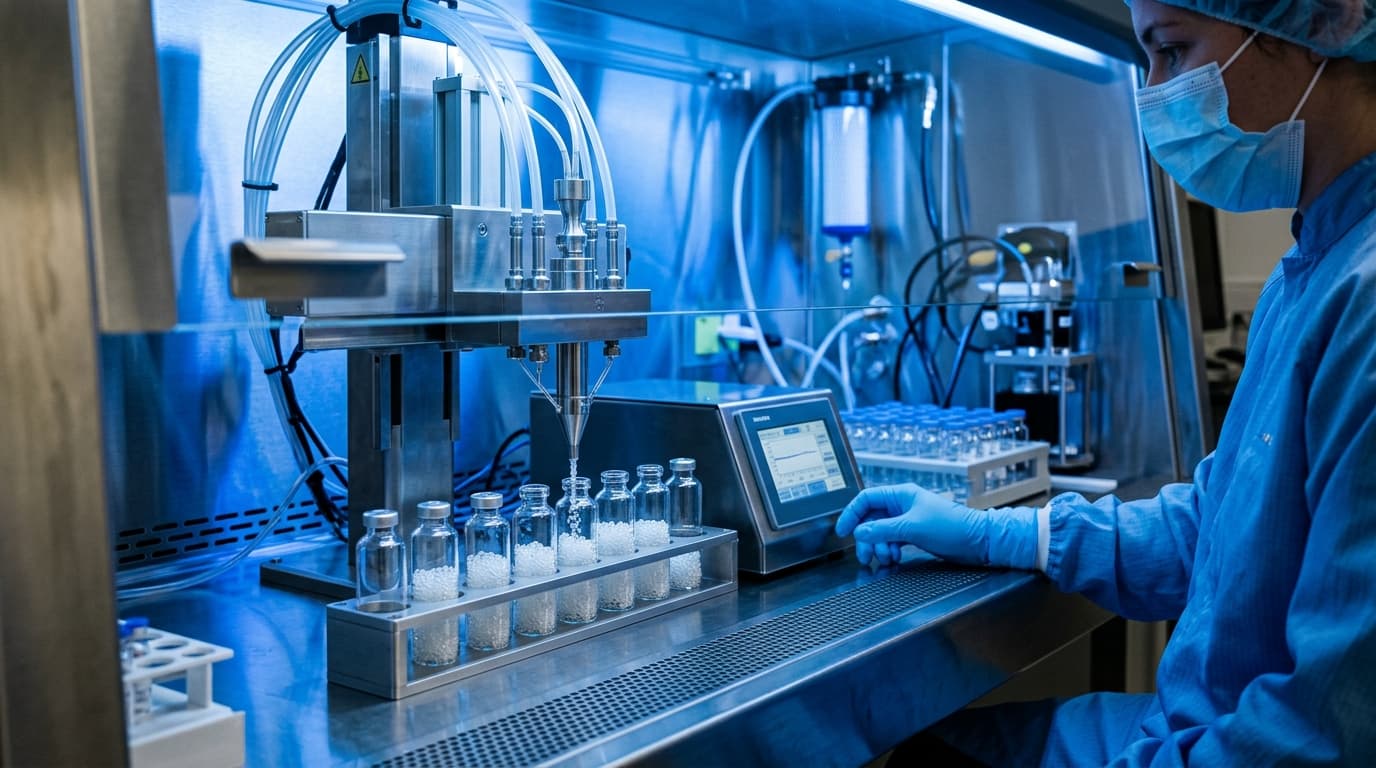
The global encapsulation market is positioned for substantial growth, with its valuation projected to rise from $49.1 billion in 2023 to $153.2 billion by the end of 2034. This expansion represents a compound annual growth rate of 12.0% as industries seek better ways to protect active ingredients. Increasing requirements for controlled release mechanisms in drug delivery and food fortification serve as primary catalysts for this upward trajectory. Analysts indicate that advancements in material science are expanding application areas across multiple industrial sectors.
Sector Drivers and Material Applications
The pharmaceutical industry remains a dominant force in the adoption of encapsulation technologies. Manufacturers use these processes to protect active ingredients from environmental degradation and ensure precise delivery within the human body. This method improves the efficacy of medications while reducing potential side effects for patients.
In the food and beverage sector, encapsulation helps maintain the nutritional value of sensitive ingredients like vitamins and minerals. It also masks unpleasant tastes and odors, making fortified products more appealing to consumers. Companies are increasingly investing in these techniques to extend the shelf life of perishable goods and functional food items.
Material selection plays a vital role in the success of encapsulation projects across different industries. Common shells include polymers, lipids, and carbohydrates, each offering distinct advantages for specific use cases. Data from Transparency Market Research indicates that the choice of coating material directly impacts the release profile and stability of the core substance.
Personal care and cosmetic firms utilize microencapsulation to stabilize volatile fragrances and active skin-care components. This ensures that the product remains effective from the moment of manufacture until it reaches the consumer. The integration of these technologies allows for more sophisticated product formulations in the global beauty market.
"The rising demand for functional foods and the need for efficient drug delivery systems are the primary factors propelling the encapsulation market toward its projected multi-billion dollar valuation."
— Lead Analyst, Transparency Market Research Inc.
Regional Growth and Technological Trends
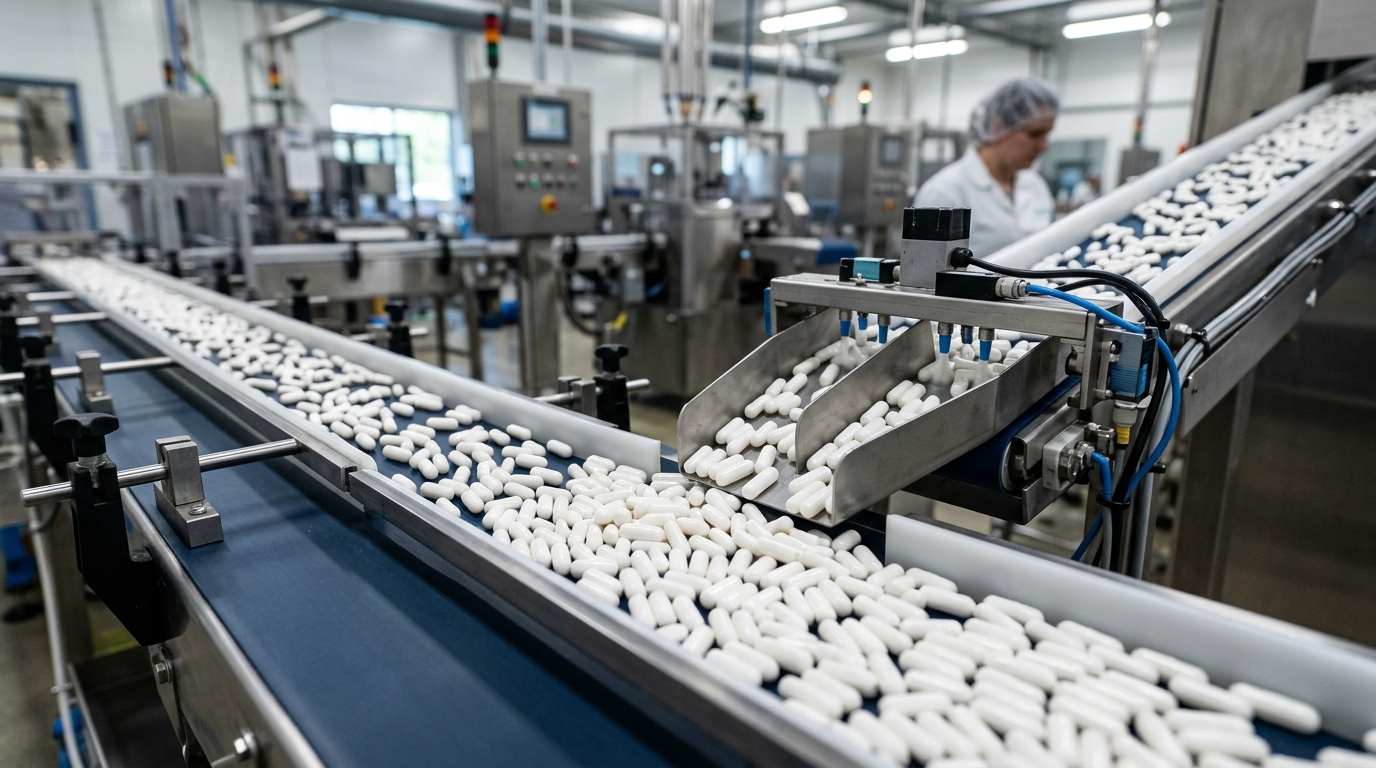
North America currently holds the largest share of the global market due to its established healthcare infrastructure and high research spending. The presence of major pharmaceutical and food processing companies in the United States supports steady demand for new encapsulation solutions. Regulatory frameworks in this region also encourage the development of safe and efficient delivery systems.
The Asia-Pacific region is identified as the fastest-growing market during the forecast period. Rapid industrialization and a rising middle-class population in countries like China and India drive the consumption of processed foods and quality medicines. Local manufacturers are adopting modern production techniques to meet international quality standards and improve their export capabilities.
Nanoencapsulation is emerging as a significant trend within the broader industry. This technology allows for even smaller particle sizes, which enhances the bioavailability of nutrients and drugs. Research into biodegradable coating materials is also gaining momentum as companies look to meet environmental sustainability targets and reduce plastic waste.
Competition among key players is intensifying as firms focus on strategic partnerships and product diversification. Large corporations are acquiring smaller specialized firms to gain access to proprietary encapsulation techniques. This consolidation helps companies offer a wider range of solutions to their global client base while maintaining a competitive edge.
The outlook for the encapsulation market remains positive as industries prioritize product stability and functional efficiency. While high production costs and complex regulatory requirements pose challenges, the benefits of controlled release and ingredient protection outweigh these hurdles. Continued investment in research and development will likely lead to more cost-effective manufacturing processes. By 2034, the market will likely be defined by a shift toward sustainable materials and highly targeted delivery systems across all major global regions.