
At a Glance
- Global demand for electric trucks is driven by strict emission regulations.
- Battery cost reductions are making electric fleets more economically viable.
- Asia-Pacific continues to lead the world in production and adoption.
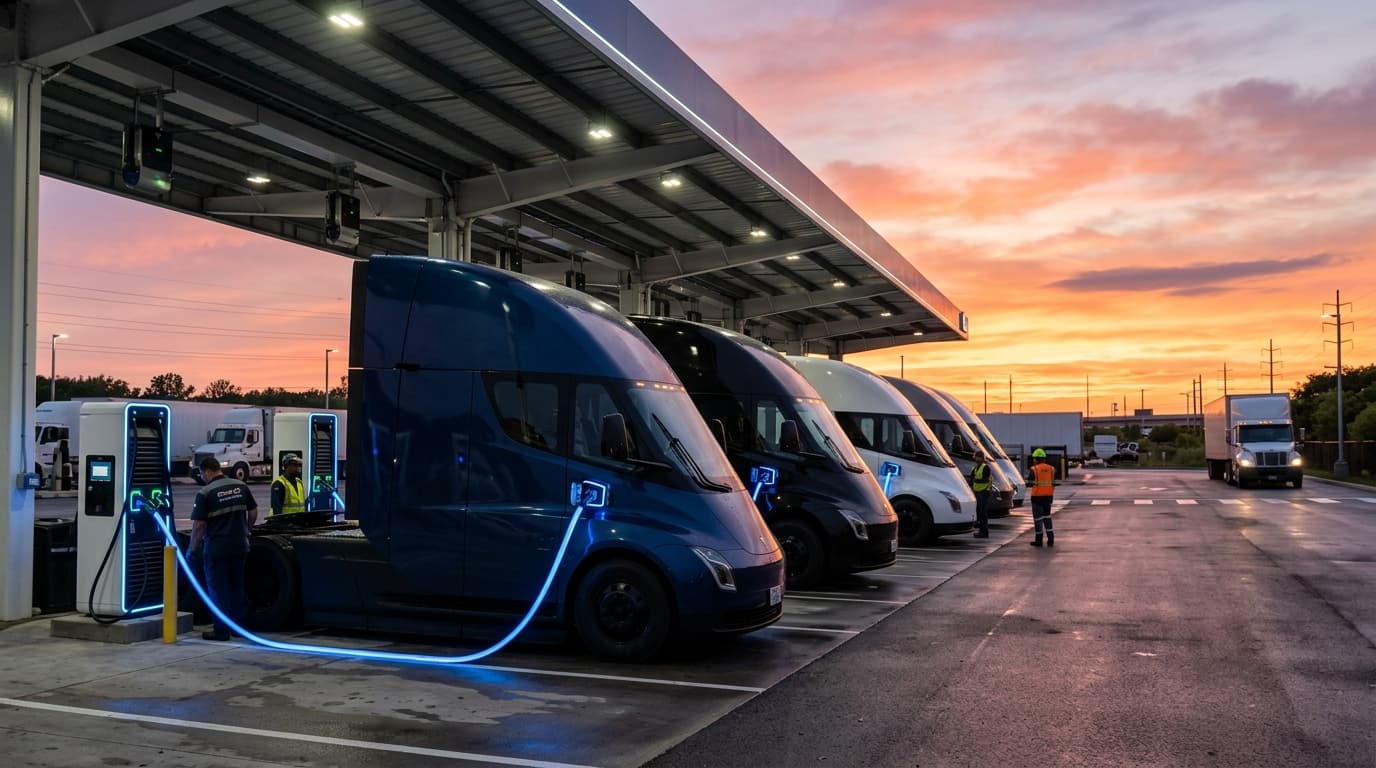
The global electric truck industry is entering a period of significant transformation as manufacturers shift toward zero-emission logistics solutions. According to a new report by Allied Market Research, the market is poised for substantial growth between 2026 and 2035. Rising environmental concerns and strict government regulations regarding carbon emissions are forcing fleet operators to replace traditional internal combustion engines. This shift is supported by rapid advancements in battery technology and a steady decrease in production costs across the global supply chain.
Market Segmentation and Growth Drivers
The report categorizes the market into light-duty, medium-duty, and heavy-duty vehicles. Light-duty trucks currently dominate urban delivery services due to their suitability for short-range operations. However, heavy-duty models are gaining traction as charging infrastructure improves on major freight corridors. This transition is essential for companies looking to reduce their carbon footprint in long-haul logistics.
Propulsion types include battery electric vehicles, plug-in hybrids, and fuel cell electric vehicles. Battery electric trucks hold the largest share because of their lower operating costs and mechanical simplicity. Hydrogen fuel cells are emerging as a viable alternative for transport where weight and refueling speed are primary factors. These diverse technologies allow the industry to address various operational requirements.
Government incentives play a vital role in accelerating this transition. Subsidies for vehicle purchases and investments in public charging networks reduce the total cost of ownership for logistics firms. These financial measures help bridge the price gap between electric and diesel counterparts during the initial adoption phase. Long-term policy goals are also providing the certainty needed for large-scale fleet investments.
Technological improvements in energy density allow for longer ranges and increased payload capacities. Manufacturers are investing in dedicated electric platforms rather than modifying existing diesel chassis. This approach optimizes weight distribution and provides more space for large battery packs. These design changes improve the overall efficiency and performance of modern electric fleets.
"The global electric truck market is witnessing a significant shift as companies prioritize sustainability and operational efficiency. Technological advancements in battery performance and charging infrastructure are key factors driving this growth across various regions."
— Research Team, Allied Market Research
Regional Outlook and Industry Dynamics
Asia-Pacific remains the most influential region in the global electric truck market. China leads the world in both production and domestic sales, supported by an extensive network of battery manufacturers. Local companies are expanding their reach into international markets, challenging established European and North American brands. This regional dominance is expected to continue as production scales up.
Europe is experiencing rapid adoption driven by the European Green Deal and strict urban low-emission zones. Major cities are implementing bans on diesel vehicles, making electric delivery fleets a necessity for businesses. Fleet operators in Germany, Norway, and the Netherlands are at the forefront of this transition. These markets serve as a testing ground for new charging technologies and urban logistics models.
North America is catching up as major manufacturers enter the commercial vehicle space. Traditional players are introducing electric versions of their popular truck models to meet growing demand. Federal tax credits and state-level mandates in California provide additional momentum for regional market expansion. This competition is driving faster development of high-capacity charging networks across the continent.
The competitive environment is intensifying as tech startups and legacy automakers vie for market share. Companies are forming strategic partnerships to develop standardized charging protocols and software for fleet management. These collaborations aim to simplify the transition for end-users and ensure compatibility across different vehicle brands. Data analytics are also becoming a standard feature for monitoring vehicle health and battery life.
The outlook for the electric truck sector remains positive as the industry moves toward a carbon-neutral future. While challenges like high initial costs and grid capacity remain, the long-term economic benefits are becoming clearer. Lower maintenance requirements and reduced energy expenses provide a compelling case for fleet electrification. As technology matures, electric trucks will likely become the standard for modern logistics and freight transportation worldwide by 2035.