
At a Glance
- Shift from hydraulic to electric packers driven by operational efficiency needs.
- Strategic Oil Reserve fluctuations impact global completion tool demand.
- North America leads regional growth due to intensified shale gas activity.
The global oil and gas electric packer market is entering a period of significant transition as operators face mounting pressure from Strategic Oil Reserve fluctuations and evolving environmental mandates. These specialized downhole tools are becoming vital for isolating production zones and maintaining well integrity during high-pressure extraction processes. Recent data suggests that the move toward electrification in the oilfield is accelerating to reduce operational costs and carbon footprints. Industry analysts expect this trend to redefine well completion strategies over the next decade.
Drivers of Electric Packer Adoption
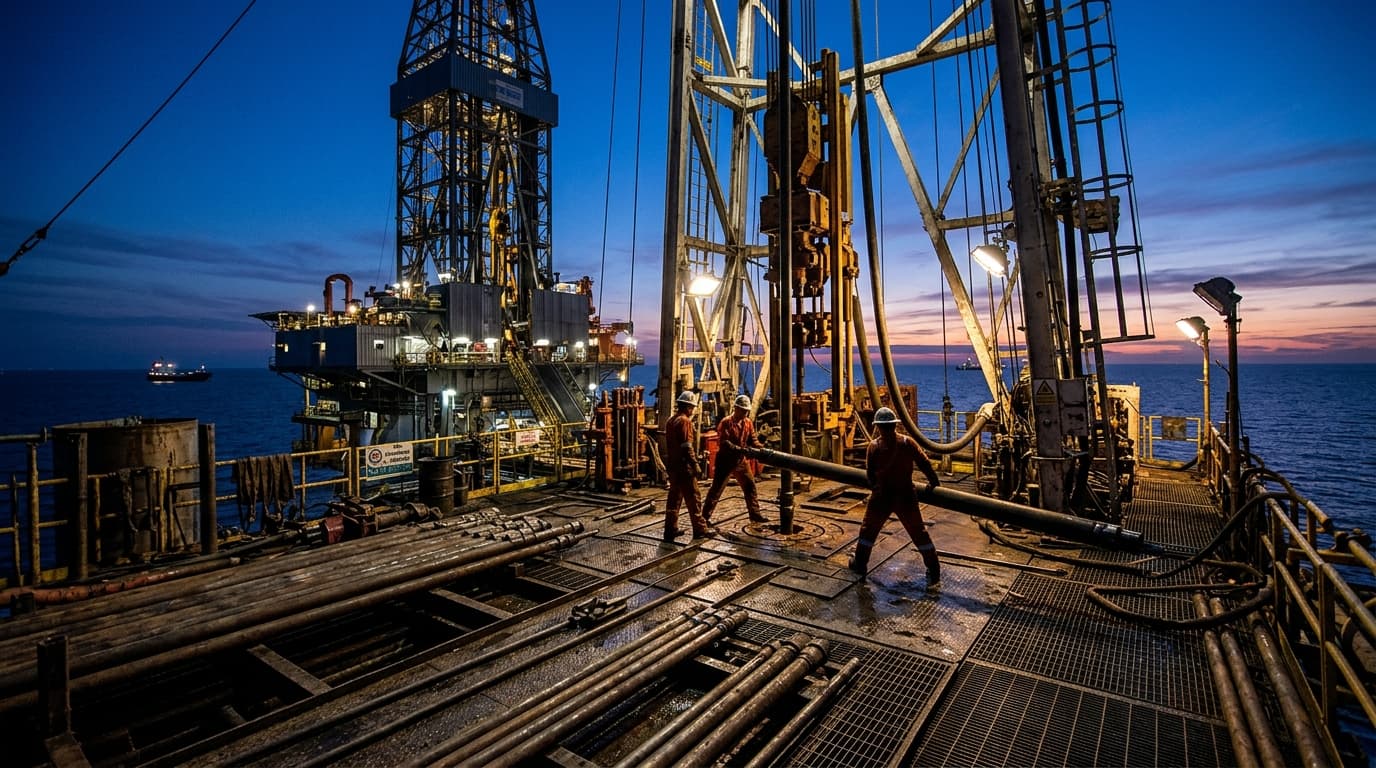
Traditional hydraulic packers often require complex fluid systems that can lead to mechanical failures or leaks. Electric alternatives offer precise control through motor-driven mechanisms, allowing for real-time adjustments without the need for high-pressure surface pumps. This transition reduces the physical footprint on the rig floor and minimizes the risk of environmental contamination.
The push for increased recovery rates from existing wells is a primary driver for this technology. As mature fields decline, operators utilize electric packers to manage zonal isolation with higher accuracy in horizontal and multilateral wells. This precision helps in preventing water breakthrough and ensures that hydrocarbons flow efficiently to the surface.
Reports and Insights indicates that the integration of digital monitoring systems within electric packers provides valuable data on wellbore conditions. These sensors track temperature and pressure changes, allowing for proactive maintenance before equipment failure occurs. Such capabilities are essential for deepwater operations where intervention costs are extremely high.
Supply chain resilience is becoming a focal point for manufacturers of electric packers. Companies are diversifying their sourcing of specialized electronics to avoid production delays. This focus ensures that the growing demand for electric actuation systems can be met without compromising quality or delivery timelines.
"The transition toward electric downhole tools represents a fundamental shift in how oilfield services approach wellbore management and environmental compliance."
— Michael Henderson, Lead Energy Analyst at Reports and Insights
Market Regional Dynamics and SPR Impact
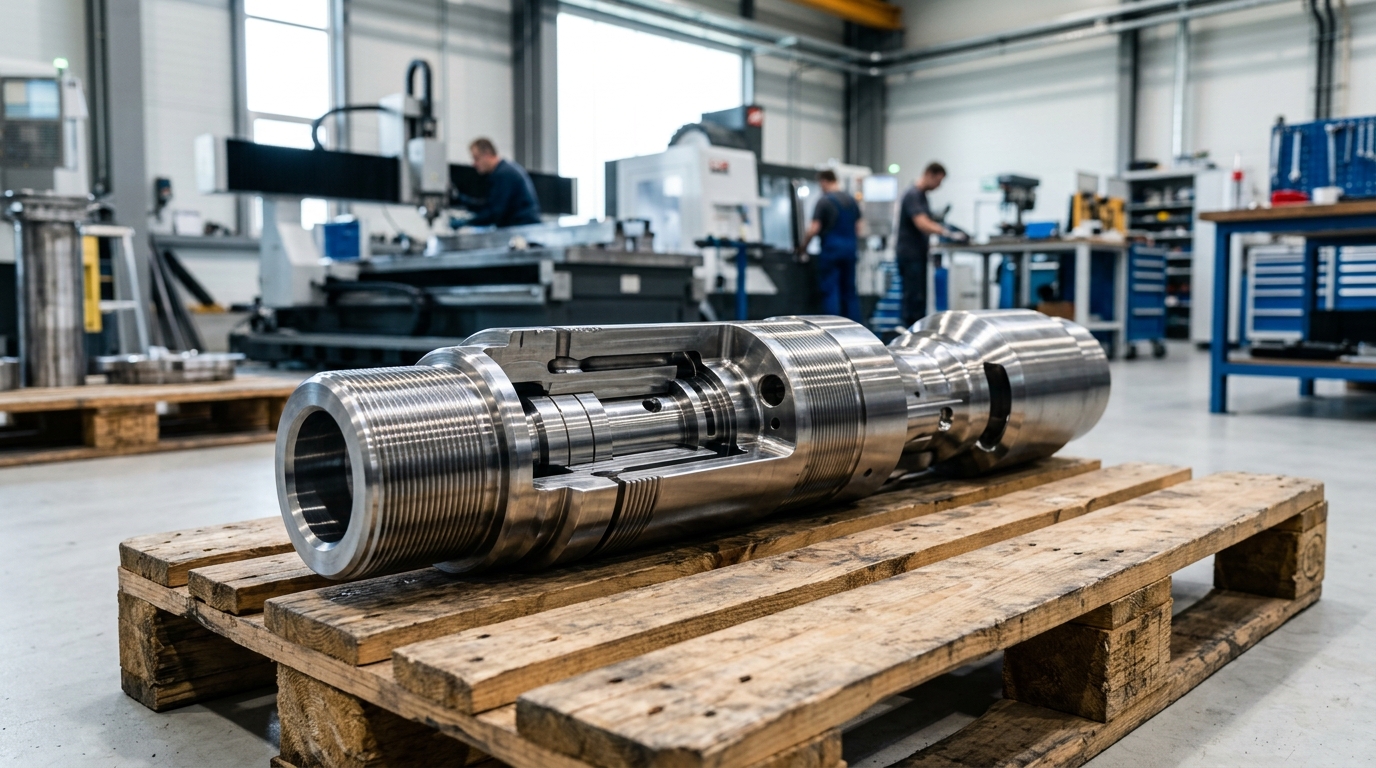
North America continues to hold a dominant position in the electric packer market due to the high density of shale gas and tight oil projects. The Permian Basin and Eagle Ford regions remain focal points for deploying advanced completion technologies. Operators in these areas prioritize tools that can withstand extreme temperatures and corrosive environments found in deep shale formations.
Strategic Oil Reserve policies significantly influence the procurement of new drilling equipment and completion tools. When governments release reserves to stabilize prices, it often creates a temporary lull in domestic production activity. Conversely, efforts to replenish these reserves signal long-term demand stability, encouraging service providers to invest in new electric packer fleets.
The Middle East and Asia-Pacific regions are also showing increased interest in electrification to modernize their aging infrastructure. National oil companies are seeking to improve the sustainability of their operations while maximizing output from legacy assets. This international demand is expected to diversify the supply chain and lead to more localized manufacturing of specialized downhole components.
Regulatory frameworks regarding well integrity are tightening across the European Union and parts of South America. These rules often favor electric systems because they provide verifiable data logs of packer setting and performance. Compliance with these standards is no longer optional for firms looking to maintain their licenses to operate in sensitive ecological zones.
The outlook for the electric packer market remains positive as the energy sector balances production targets with decarbonization goals. While initial capital expenditure for electric systems is higher than hydraulic variants, the long-term savings in maintenance and operational efficiency provide a clear financial incentive. As technology matures and standardization increases, these tools will likely become the standard for modern well completions. Future growth will depend on continued investment in smart oilfield technologies and stable global energy policies.