Dr. Rajan Shah completes over 10,000 successful neurosurgical procedures.
Implementation of advanced neuro-navigation and intraoperative MRI technology.
Focus on minimally invasive techniques for complex spinal and brain disorders.
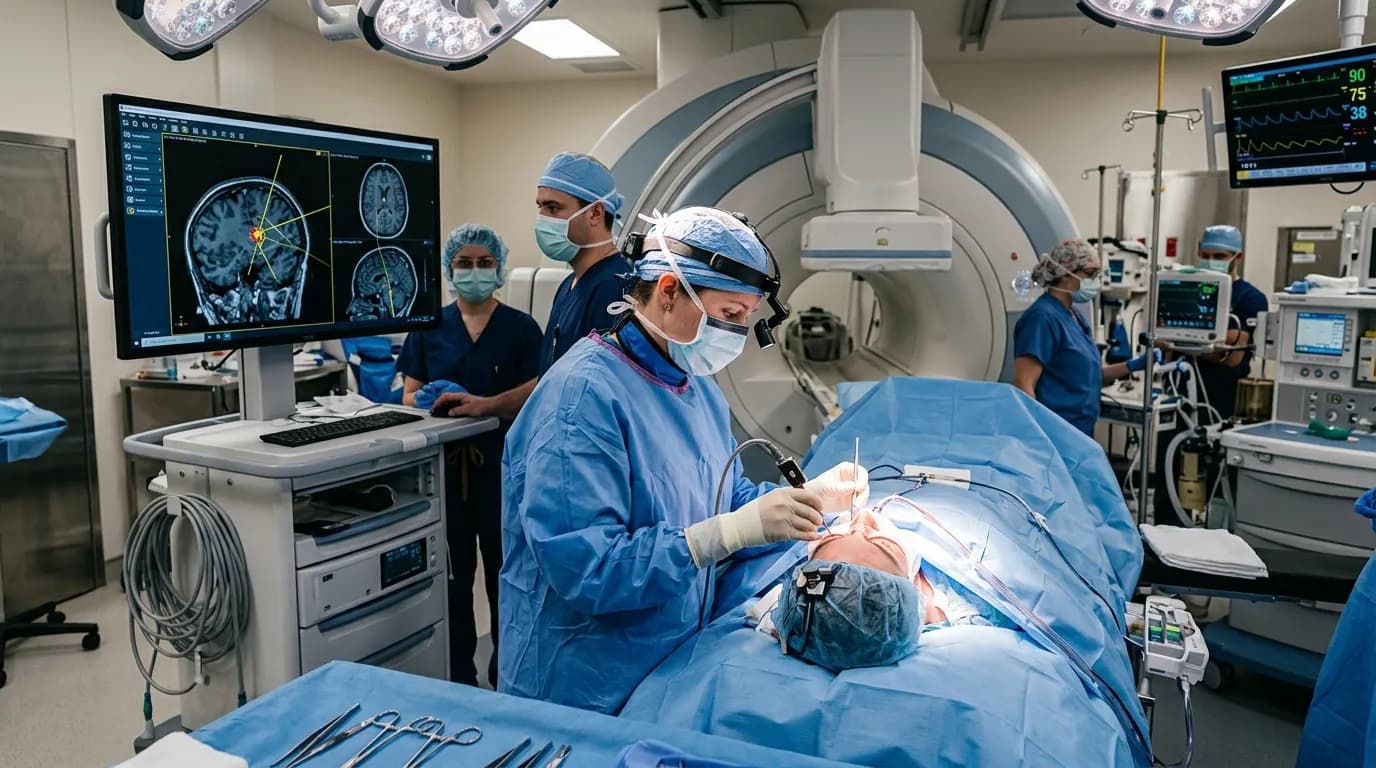
Dr. Rajan Shah, a prominent neurosurgeon at Nanavati Max Super Speciality Hospital, is currently reshaping the standards of neurological care in India through the integration of advanced surgical technologies. With a career spanning three decades, Shah has performed more than 10,000 surgeries, addressing complex conditions such as brain tumors and degenerative spinal disorders. His work focuses on improving patient outcomes by utilizing precision-based methods that reduce recovery times and surgical risks in high-stakes medical environments.
Technological Integration in Surgical Practice
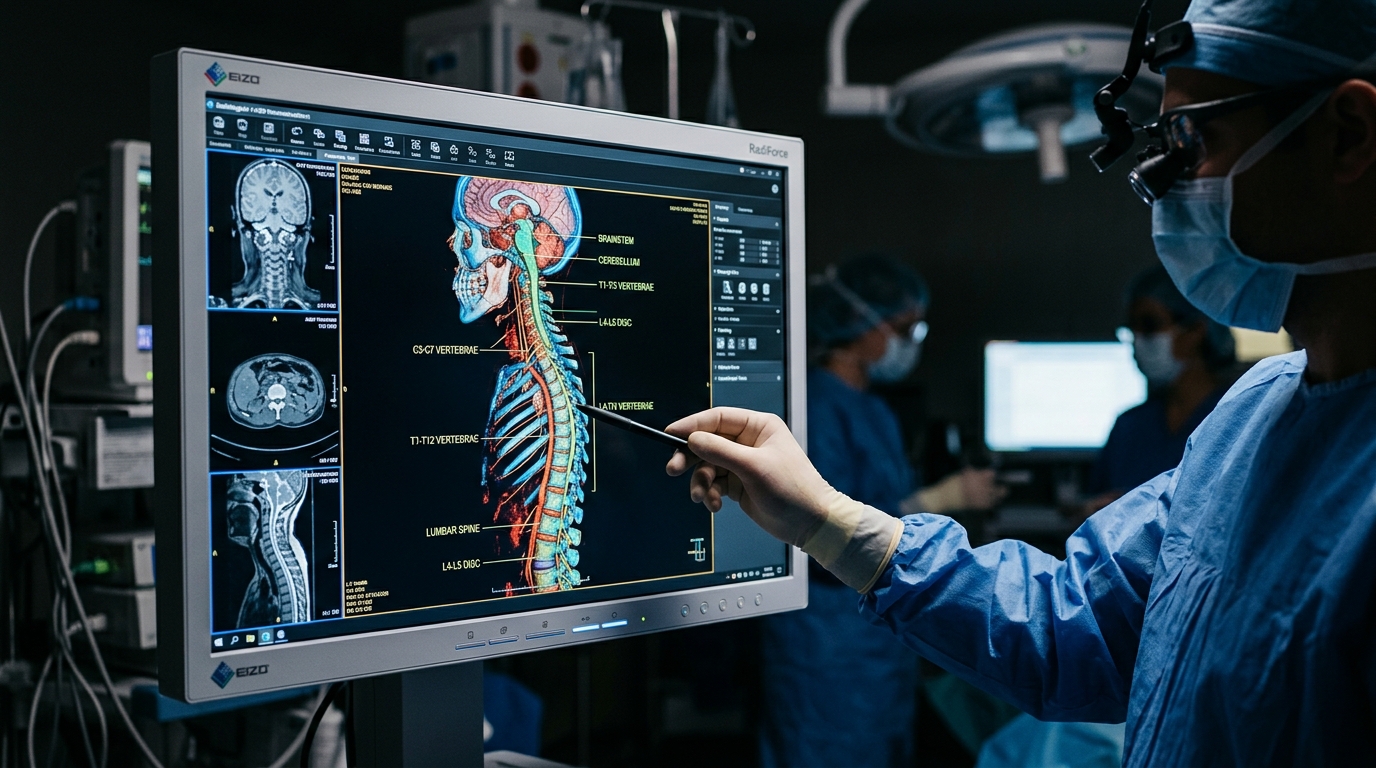
The adoption of modern surgical tools has become a hallmark of Shah’s practice in Mumbai. He utilizes neuro-navigation systems and intraoperative MRI to enhance the accuracy of brain tumor resections. These tools allow for real-time visualization of neural structures, which helps protect healthy tissue during delicate operations. This technical precision is vital for maintaining neurological function in patients undergoing high-risk procedures.
Shah also emphasizes the use of minimally invasive spine surgery to treat chronic back pain and structural deformities. By making smaller incisions, he minimizes blood loss and post-operative discomfort for his patients. This shift toward less invasive methods reflects a broader trend in the Indian healthcare sector toward efficiency and patient safety. The reduction in hospital stay duration allows for a faster return to daily activities.
As a senior consultant at Nanavati Max Super Speciality Hospital, Shah oversees a department that handles a high volume of trauma cases and neurological emergencies. His team employs a multi-disciplinary approach to ensure that each patient receives a tailored treatment plan. This methodical strategy has contributed to the facility's reputation as a leading center for neurological excellence in the region. The hospital continues to invest in the infrastructure necessary to support these complex operations.
"My goal has always been to provide the highest standard of neurosurgical care by integrating the latest medical advancements with a patient-centric approach."
— Dr. Rajan Shah, Senior Consultant Neurosurgeon at Nanavati Max Super Speciality Hospital
Dr. Rajan Shah Sets New Benchmarks in Indian Neurosurgery
Clinical Impact and Patient Outcomes
The scale of Shah’s clinical work involves treating a diverse range of conditions, from pediatric neurosurgery to complex vascular malformations. His experience with over 10,000 procedures provides a deep data set for analyzing the efficacy of specific surgical interventions. He maintains a focus on evidence-based medicine to guide his decision-making process for every case. This volume of work highlights the growing demand for specialized neurosurgical expertise in urban medical hubs.
Beyond the operating room, Shah contributes to the medical community through the mentorship of younger surgeons and participation in clinical research. He advocates for the continuous update of surgical protocols to reflect the latest global findings in neuroscience. This commitment to education ensures that the next generation of medical professionals is prepared for the complexities of brain and spine care. His influence extends to the development of better safety standards across the department.
The integration of specialized equipment like high-definition microscopes has further refined the success rates of micro-neurosurgery. Shah’s use of these instruments allows for the treatment of previously inoperable lesions located in deep areas of the brain. By combining manual skill with mechanical precision, he addresses some of the most challenging pathologies in modern medicine. These advancements have made complex surgeries safer and more predictable for a wider demographic of patients.
The ongoing contributions of Dr. Rajan Shah signal a significant phase of growth for neurosurgical capabilities within the Indian private healthcare sector. As medical tourism continues to rise, the presence of experienced specialists utilizing international standards becomes a factor in attracting global patients. Shah’s focus on precision and patient recovery suggests that the future of neurosurgery in the region will rely heavily on the balance of technological adoption and clinical expertise. The sector remains poised for further technical integration in the coming years.
Stay Ahead of the News
Get the latest business news and company spotlights delivered to your inbox. No spam, unsubscribe any time.