At a Glance
- Dr. K.S. Iyer performs complex neonatal heart surgeries in New Delhi.
- India strengthens its position as a global hub for pediatric cardiac care.
- Advanced surgical techniques reduce recovery times for young patients.
India is solidifying its position as a global center for specialized pediatric cardiac care, driven by the work of senior surgeons like Dr. K.S. Iyer. At the Fortis Escorts Heart Institute, medical teams are performing high-risk procedures on infants with congenital heart conditions. This focus on advanced surgical intervention addresses a growing demand for specialized healthcare services across South Asia and the Middle East. International patients are increasingly seeking these services due to the combination of clinical expertise and competitive pricing structures within the private medical sector.
Advances in Neonatal Surgical Techniques
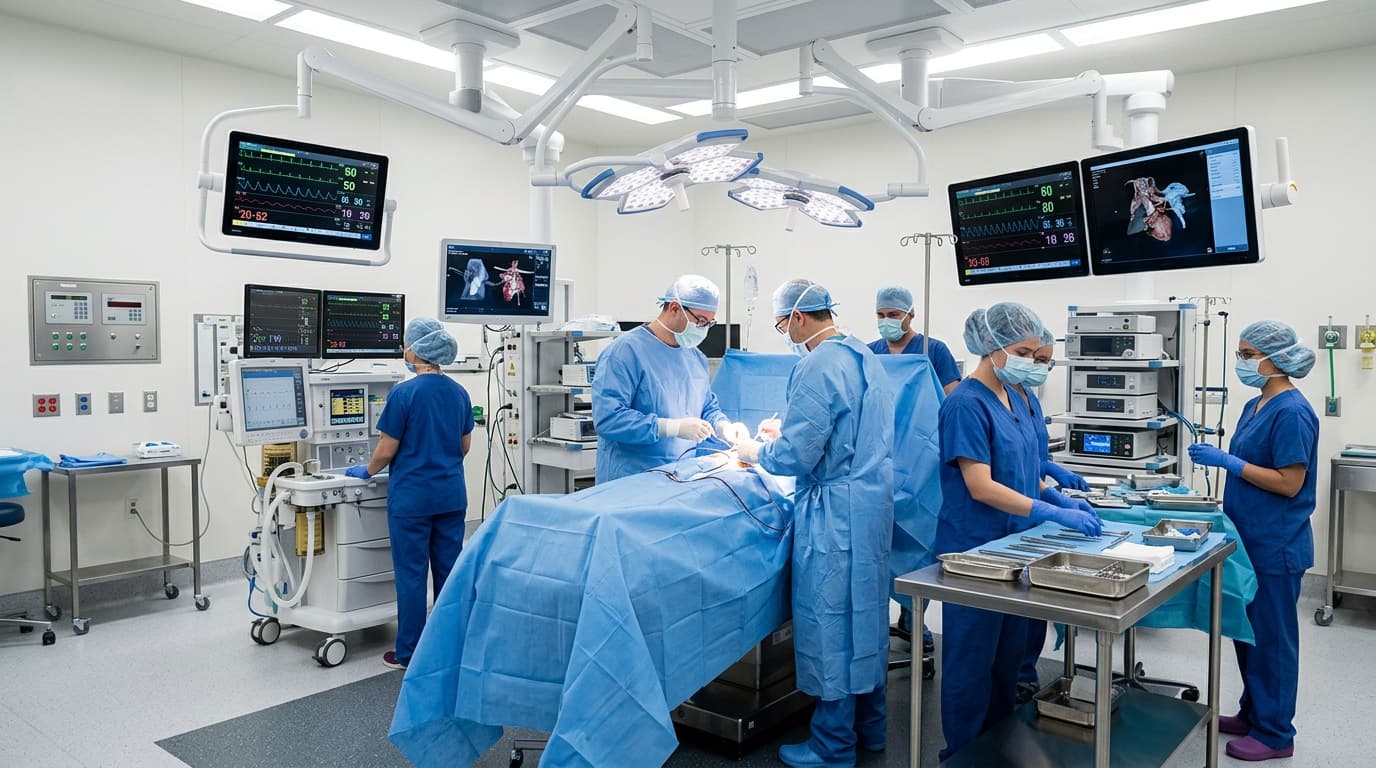
The surgical management of congenital heart defects has shifted toward early intervention, often within the first days of life. Dr. Iyer and his team specialize in the arterial switch operation and the correction of complex anomalies like the Tetralogy of Fallot. These procedures require extreme precision due to the small size of neonatal cardiac structures. Successful outcomes in these cases depend on advanced bypass technology and specialized anesthesia protocols designed for infants.
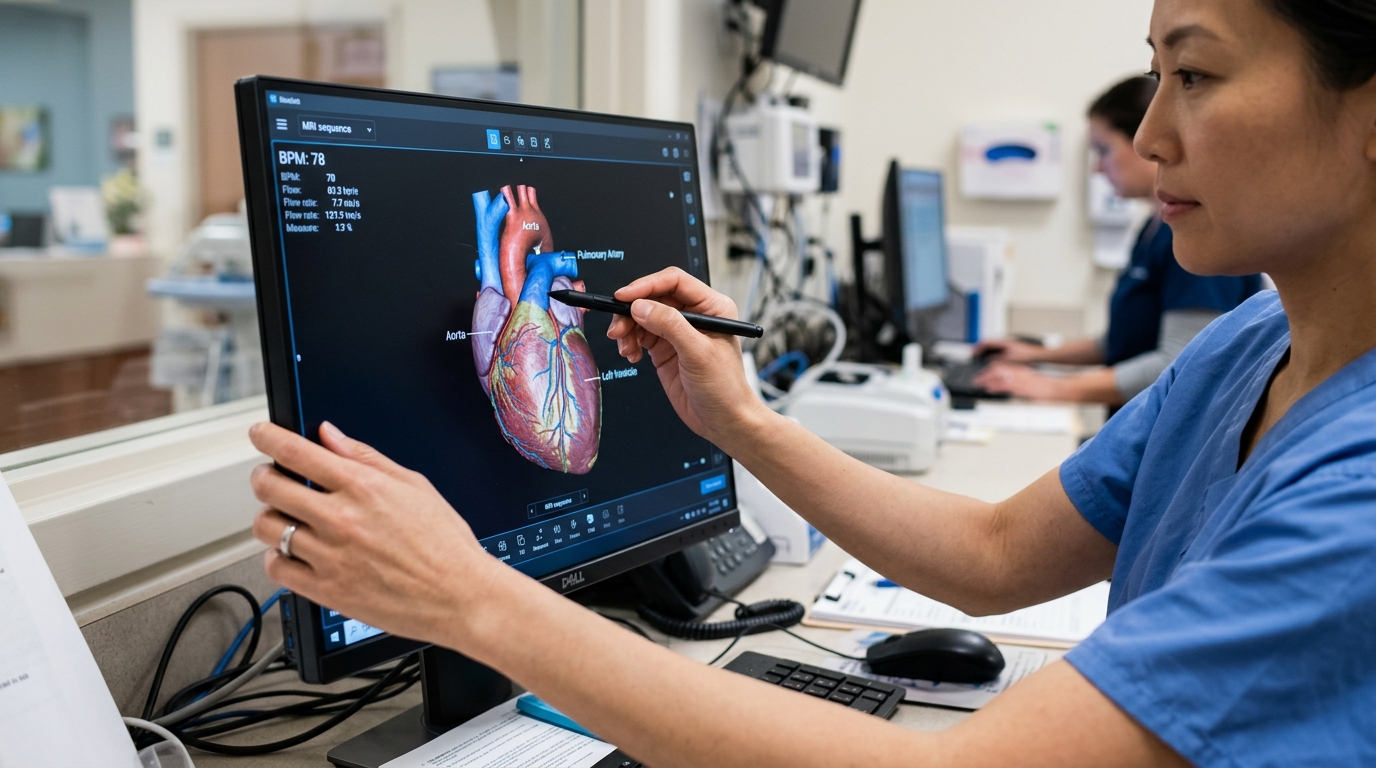
Medical data indicates that early surgical correction prevents long-term damage to the lungs and heart muscle. By addressing structural issues shortly after birth, surgeons can ensure more normal developmental milestones for children. The facility utilizes modern imaging systems to map cardiac anatomy before the first incision is made. This preparation reduces the time patients spend under general anesthesia during the actual operation.
The integration of intensive care units specifically for pediatric patients has further improved survival statistics for complex cases. These units are staffed by specialists who manage the delicate physiological balance required after a major thoracic procedure. Post-operative monitoring involves real-time data tracking to identify potential complications before they become critical. This systematic approach to recovery has made the institution a preferred choice for families dealing with rare cardiac conditions.
"Our objective remains the delivery of precise surgical outcomes that allow children with congenital defects to lead active and healthy lives. We focus on applying established clinical excellence to every complex case that enters our operating theater."