

At a Glance
- Global demand for fuel-efficient vehicles drives market expansion
- Gasoline Direct Injection (GDI) emerges as a primary technology segment
- Regulatory emission standards accelerate hardware adoption worldwide
The global direct injection car market is poised for significant expansion as automotive manufacturers prioritize fuel efficiency and strict emission standards. Recent data indicates that the shift toward Gasoline Direct Injection (GDI) and Diesel Direct Injection (DDI) technologies is accelerating across major manufacturing hubs. This transition allows for better fuel atomization and combustion control, directly addressing the demand for high-performance engines with lower environmental impact. Analysts expect the sector to maintain a steady upward trajectory through the end of the decade as technology becomes more affordable.
Technological Drivers and Market Segmentation
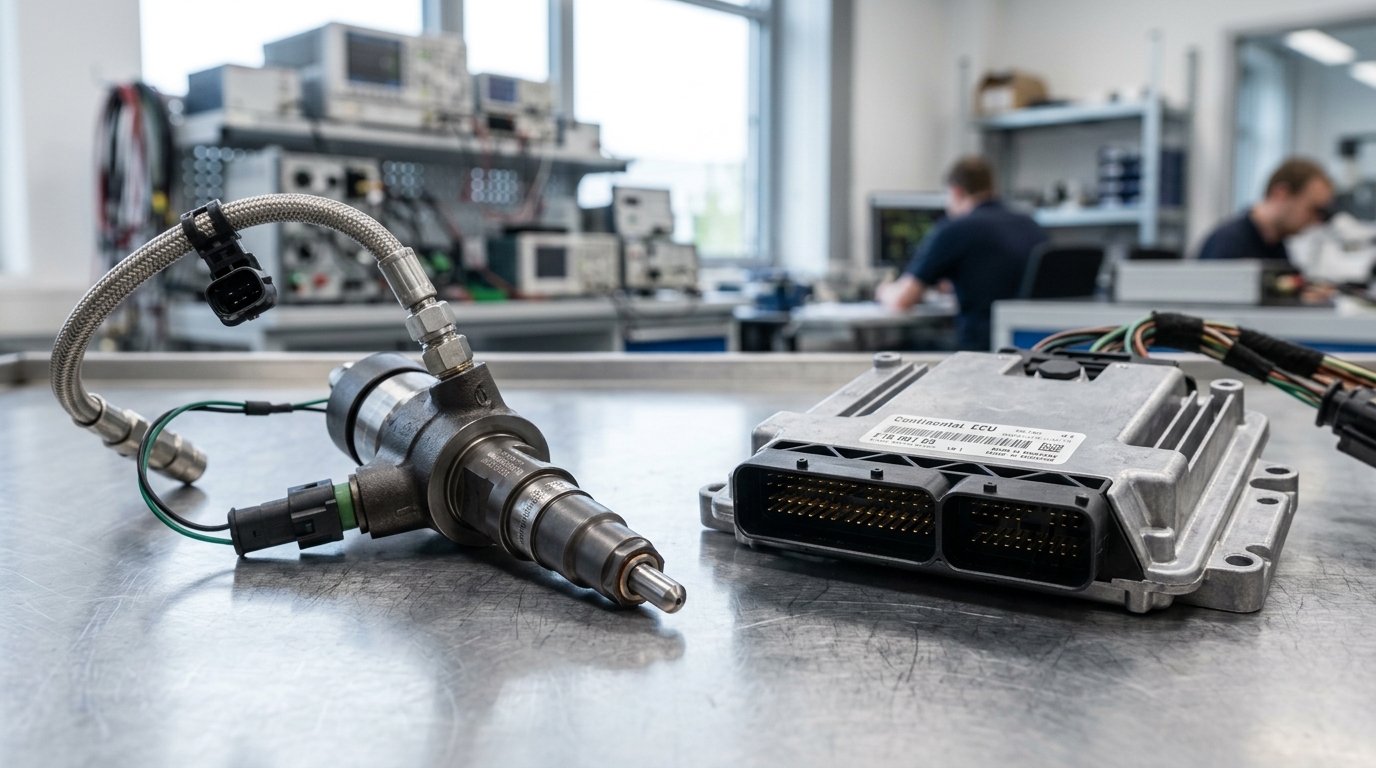
The market segments primarily into gasoline and diesel variants, with GDI technology seeing rapid adoption in passenger vehicles. Fuel injectors, high-pressure pumps, and electronic control units represent the primary hardware components driving this sector's value. Manufacturers are focusing on refining these parts to handle higher pressures and provide more precise fuel delivery. These advancements help internal combustion engines meet the latest international pollution limits while maintaining power output.
The integration of advanced electronic control units allows for real-time adjustments to fuel spray patterns and timing. This level of precision reduces wasted energy and minimizes the production of particulate matter. As a result, many car makers are replacing traditional multi-point fuel injection systems with direct injection setups in their newest models. The technology is no longer reserved for luxury vehicles and is becoming standard in mid-range segments.
Regional developments also play a significant role in shaping the current market volume. North America and Europe lead in terms of technological implementation due to strict corporate average fuel economy standards. Meanwhile, the Asia-Pacific region is emerging as a high-growth area as domestic production in China and India increases. Market Research Future reports that these regional shifts are creating new opportunities for component suppliers and original equipment manufacturers.
The increase in vehicle production across emerging economies further bolsters the demand for these systems. Consumers in these regions are showing a preference for vehicles that offer better mileage without sacrificing speed or torque. This trend encourages local manufacturers to adopt global standards for fuel delivery systems. Consequently, the supply chain for direct injection components is expanding into new geographical territories.
"The shift toward direct injection systems reflects a broader industry commitment to balancing engine performance with environmental responsibility. We are seeing a marked increase in the integration of these systems as regulatory pressures mount globally."
— Senior Analyst at Market Research Future
Competitive Dynamics and Future Outlook
Major industry players including Bosch, Continental, and Denso are investing in research and development to stay ahead of the competition. These companies are working to reduce the noise and vibration often associated with high-pressure direct injection systems. By improving the mechanical durability of injectors and pumps, they aim to lower the total cost of ownership for consumers. This competition keeps the market active and drives down the price of advanced fuel systems.
Government mandates regarding carbon dioxide emissions act as a primary catalyst for market evolution. Many countries have established timelines to phase out less efficient engine designs, forcing a rapid switch to direct injection. This regulatory environment provides a predictable framework for long-term investment by automotive parts suppliers. The transition is expected to continue even as the industry moves toward partial electrification through hybrid powertrains.
Hybrid vehicles often utilize direct injection engines to maximize the efficiency of the internal combustion component. This dual-technology approach ensures that the market for injection hardware remains relevant during the transition to fully electric fleets. Suppliers are adapting their product lines to support these hybrid configurations, ensuring a diverse revenue stream. The ability to integrate with electric motors makes direct injection a versatile tool for modern vehicle design.
The aftermarket for direct injection components is also seeing a rise in activity as older vehicles require maintenance. High-pressure injectors are sensitive to fuel quality and may require replacement over the vehicle's lifespan. This creates a secondary market for certified parts and specialized repair services. Professional service centers are investing in new diagnostic tools to handle the complexities of these sophisticated fuel systems.
The direct injection car market remains a vital part of the global automotive sector's strategy for a cleaner future. While electric vehicles capture headlines, the optimization of traditional engines provides immediate benefits for global carbon reduction goals. Continued investment in sensor technology and high-pressure hardware will likely define the next phase of industry growth. Stakeholders should monitor regulatory changes and technological breakthroughs to identify emerging profit centers in this evolving space.