
At a Glance
- Industrialization drives demand for reliable standby power.
- Asia-Pacific region maintains dominant global market position.
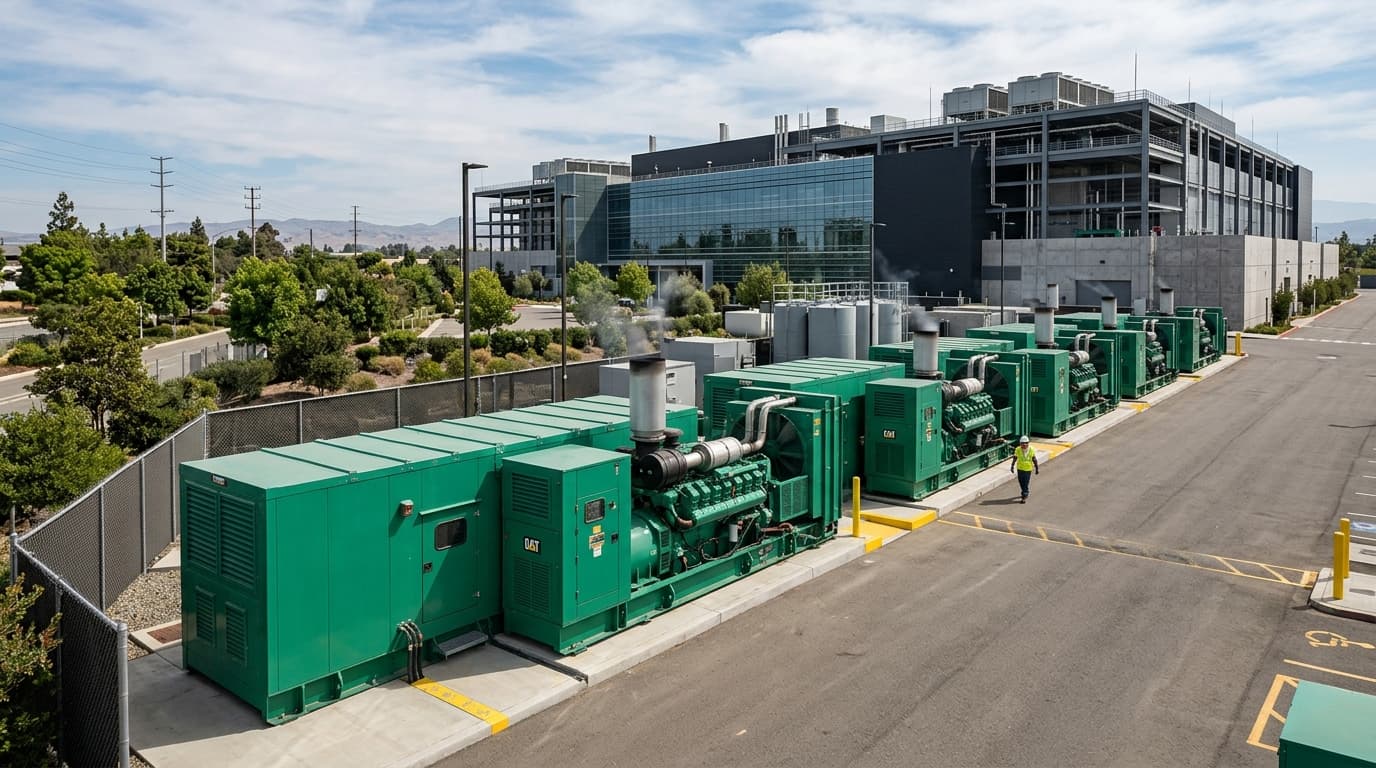
- High-capacity generators see increased use in data centers.
The global diesel generator market is projected to experience steady growth between 2026 and 2035. This expansion is primarily attributed to the rising demand for reliable backup power solutions in industrial and commercial sectors. As infrastructure projects increase worldwide, the necessity for a stable energy supply becomes a priority for project managers. Market analysts expect this trend to persist despite the increasing adoption of alternative energy sources.
Regional Demand and Market Segmentation
The Asia-Pacific region currently holds a significant portion of the global market share. Rapid industrialization in emerging economies like China and India drives the need for consistent power delivery to manufacturing plants. These nations are investing heavily in urban development, which requires a dependable electrical supply for construction sites.
High-capacity generators with power ratings above 750 kVA are experiencing a surge in demand. Large-scale facilities such as data centers and hospitals require these units to maintain critical operations during grid failures. The technical reliability of diesel engines makes them a preferred choice for high-stakes environments where downtime is not an option.
According to Allied Market Research, the commercial sector is also contributing to market stability. Retail outlets and corporate offices are increasingly installing standby systems to mitigate financial risks associated with power interruptions. This shift is particularly visible in areas where the existing electrical grid is prone to instability or weather-related damage.
The mining and oil and gas industries represent another significant segment for diesel power. These operations often take place in remote locations where access to a centralized power grid is limited or non-existent. Diesel generators provide the necessary energy to run heavy machinery and support personnel in these isolated environments.
"The steady demand for diesel generators is primarily fueled by the need for uninterruptible power in the industrial and construction sectors. While renewable energy is growing, the immediate reliability of diesel remains a standard for emergency applications."
— Lead Analyst, Allied Market Research
Industrial Drivers and Technical Evolution
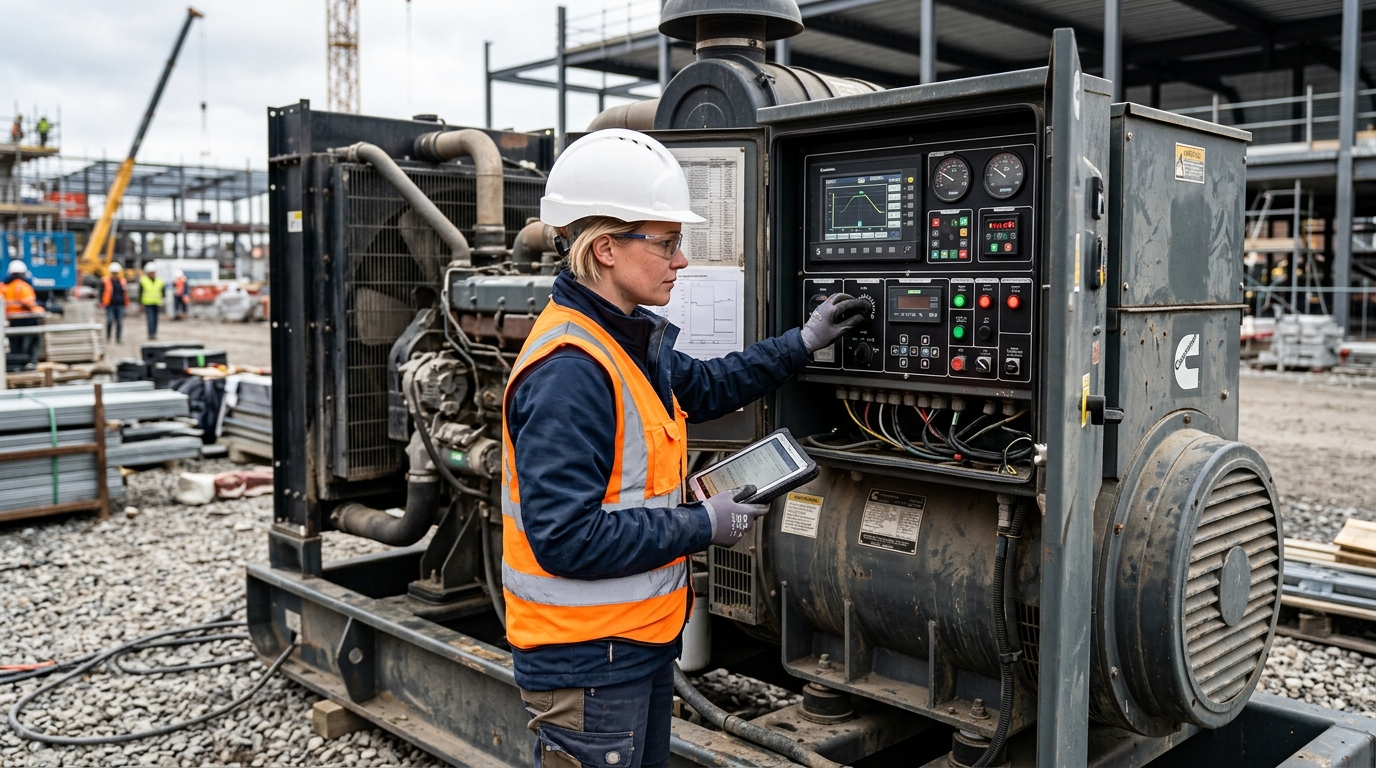
The manufacturing sector remains a primary driver for the installation of new diesel generation units. Facilities involved in chemical processing or metal fabrication cannot afford even brief power outages without risking equipment damage. Consistent energy delivery is essential for maintaining production schedules and ensuring worker safety across the factory floor.
Environmental regulations are pushing manufacturers to develop more efficient engine designs. Newer models focus on reducing particulate matter and nitrogen oxide emissions to meet international standards. These improvements allow companies to maintain backup power capabilities while adhering to local environmental mandates and sustainability goals.
The residential market is also showing signs of growth as homeowners seek independence from the grid. In regions frequently affected by severe weather, the installation of stationary generators has become more common. This trend reflects a broader concern regarding the aging state of electrical distribution infrastructure in many developed nations.
Technological integration is changing how these systems are managed and maintained. Modern generators often feature remote monitoring capabilities that allow operators to track performance and fuel levels from a distance. These digital tools help prevent unexpected failures and optimize maintenance schedules for large fleets of equipment used in the field.
The outlook for the diesel generator market remains positive as global energy requirements continue to evolve. While the transition toward sustainable energy sources is underway, the immediate need for dependable standby power ensures a lasting role for diesel technology. Stakeholders must focus on balancing operational efficiency with the requirements of changing environmental policies. The sector is expected to adapt through technical improvements and the potential integration of hybrid power systems to meet future energy challenges.