
At a Glance
- Rising demand for backup power in data centers fuels engine sales.
- Asia-Pacific emerges as a dominant region for industrial power deployment.
- Strict emission regulations drive the adoption of cleaner diesel technologies.
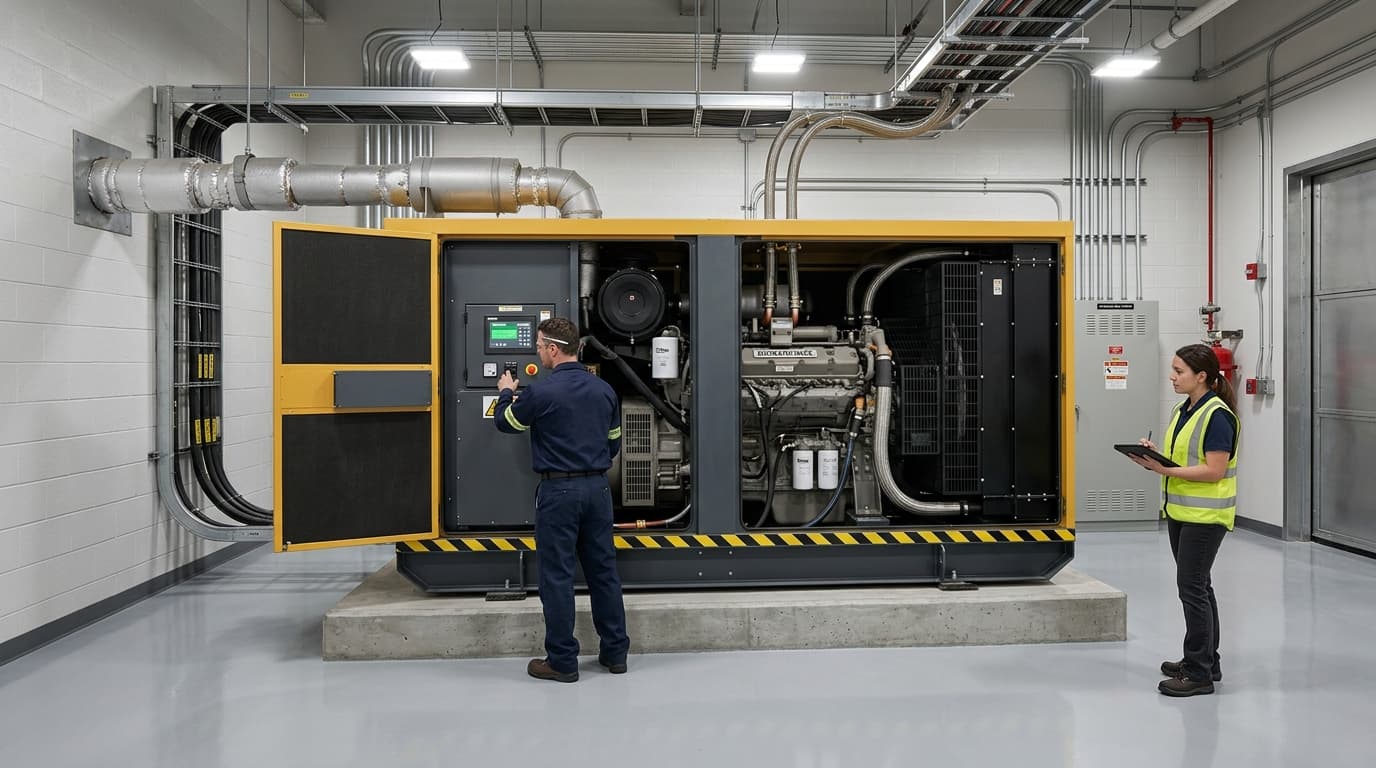
The global diesel engine market for generating sets is entering a phase of steady expansion as industrial and commercial entities prioritize energy security. Recent data suggests that the increasing frequency of power grid instabilities and the rapid growth of digital infrastructure are primary catalysts for this demand. Manufacturers are currently concentrating on developing units that satisfy stringent environmental standards while maintaining high power density. This growth reflects a broader international trend toward securing reliable secondary power sources for essential services and manufacturing facilities.
Market Drivers and Regional Demand Trends
Industrialization across the Asia-Pacific region remains a primary force driving the diesel engine sector forward. Rapid urban development and the establishment of new manufacturing hubs require a consistent and dependable electrical supply to avoid production downtime. Consequently, nations such as China and India are seeing significant investments in stationary power generation equipment for both public and private projects. This regional activity accounts for a substantial portion of the global market share.
In North America and Europe, the replacement of aging infrastructure contributes to market stability and steady replacement cycles. Utilities and private enterprises are upgrading older generator sets with modern, more efficient diesel engines to meet updated building codes. These regions emphasize compliance with Tier 4 emission standards to minimize the environmental footprint of standby power systems. The shift toward cleaner combustion technology is a defining characteristic of these mature markets.
The expansion of the global telecommunications sector also plays a significant role in increasing market volume for smaller engine units. Remote cell towers and communication nodes often rely on diesel generators as their primary or secondary power source in areas with limited grid access. This dependency ensures a continuous need for small to medium-sized engines that can operate in diverse climatic conditions. Telecommunications providers remain a steady customer base for engine manufacturers worldwide.
According to the latest industry data from Market Research Biz, the sector is positioned for a consistent compound annual growth rate through the end of the decade. This projection considers current geopolitical shifts and the ongoing adjustment of global supply chains for heavy machinery. Analysts expect the market to remain resilient as emerging economies continue to build out their electrical grids. The integration of digital monitoring tools is also becoming a standard feature for new engine installations.
"The stability of the diesel engine sector is supported by the urgent need for dependable power in critical infrastructure projects worldwide."
— Lawrence Thomas, Senior Analyst at Market Research Biz
Technological Advancements and Operational Challenges
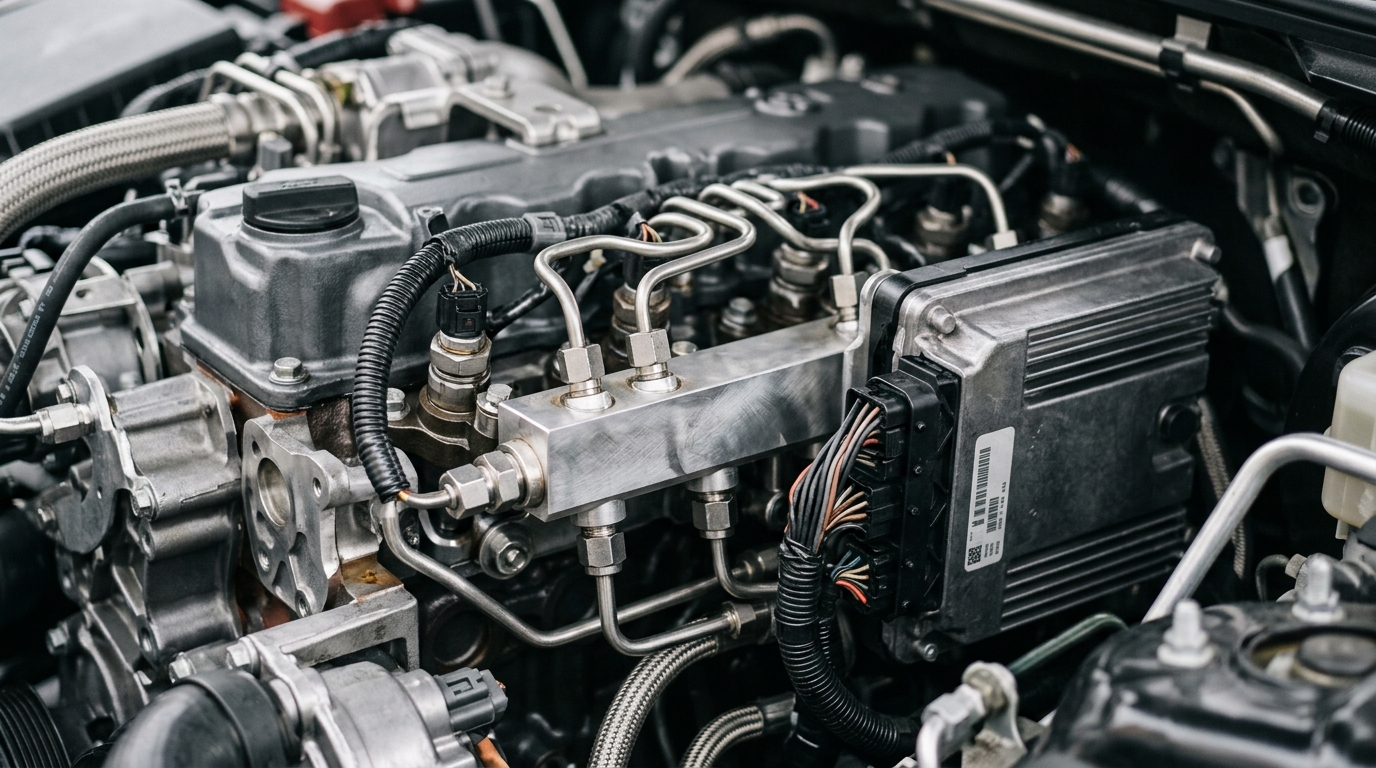
Manufacturers are currently prioritizing fuel efficiency to help end-users manage rising operational costs and fuel prices. New fuel injection systems and advanced electronic control modules allow modern engines to optimize their combustion cycles in real-time. These technical improvements help reduce the total cost of ownership for industrial operators over the lifespan of the equipment. Efficiency gains are now a primary selling point for major brands competing in the global market.
Despite the global rise of renewable energy sources, diesel engines remain a staple for emergency standby applications due to their reliability. The ability of diesel-powered units to take on a full electrical load quickly makes them indispensable for hospitals and emergency response centers. This quick-start capability provides a level of security that many alternative power technologies cannot yet match in a cost-effective manner. Reliability remains the most valued attribute for buyers in the mission-critical power segment.
Supply chain constraints for essential raw materials like high-grade steel and specialized alloys continue to influence production timelines for major manufacturers. Lead times for large-scale industrial engines have increased in several key markets over the past twenty-four months. Companies are responding by diversifying their supplier bases and increasing local assembly capabilities to mitigate these logistical hurdles. Managing these supply fluctuations is a top priority for executive teams in the engine manufacturing space.
The integration of diesel engines into hybrid power systems is an emerging trend that is gaining traction in remote locations. Diesel units are increasingly paired with battery storage systems and solar arrays to create self-sustaining microgrids for mining and research sites. This configuration significantly reduces total fuel consumption while ensuring twenty-four-hour power availability regardless of weather conditions. Hybridization represents a practical path forward for the industry as it adapts to new energy requirements.
The diesel engine market for generating sets shows sustained strength despite the global transition toward a more diverse energy mix. Its role as a reliable fail-safe ensures its continued relevance in the global power infrastructure for the foreseeable future. As engine technology evolves, the focus will likely shift toward carbon capture integration and the use of even cleaner synthetic fuel blends. Industry stakeholders should monitor changing environmental regulations closely as these will dictate the next generation of engine design and deployment strategies.