
At a Glance
- Pharmaceutical R&D drives demand for stable UV light sources.
- Environmental monitoring regulations increase lamp replacement rates.
- Technical improvements extend lamp lifespan beyond 2,000 hours.
The deuterium lamp market is experiencing steady growth as demand for high-precision analytical instruments rises across the pharmaceutical and environmental sectors. These light sources are essential for ultraviolet spectroscopy, providing a continuous spectrum required for accurate chemical analysis in laboratory settings. Recent industry data indicates that the shift toward automated laboratory workflows is pushing manufacturers to develop lamps with longer lifespans and higher stability. As global healthcare spending increases, the volume of diagnostic testing and drug development continues to rise steadily.
Precision in Analytical Science Applications
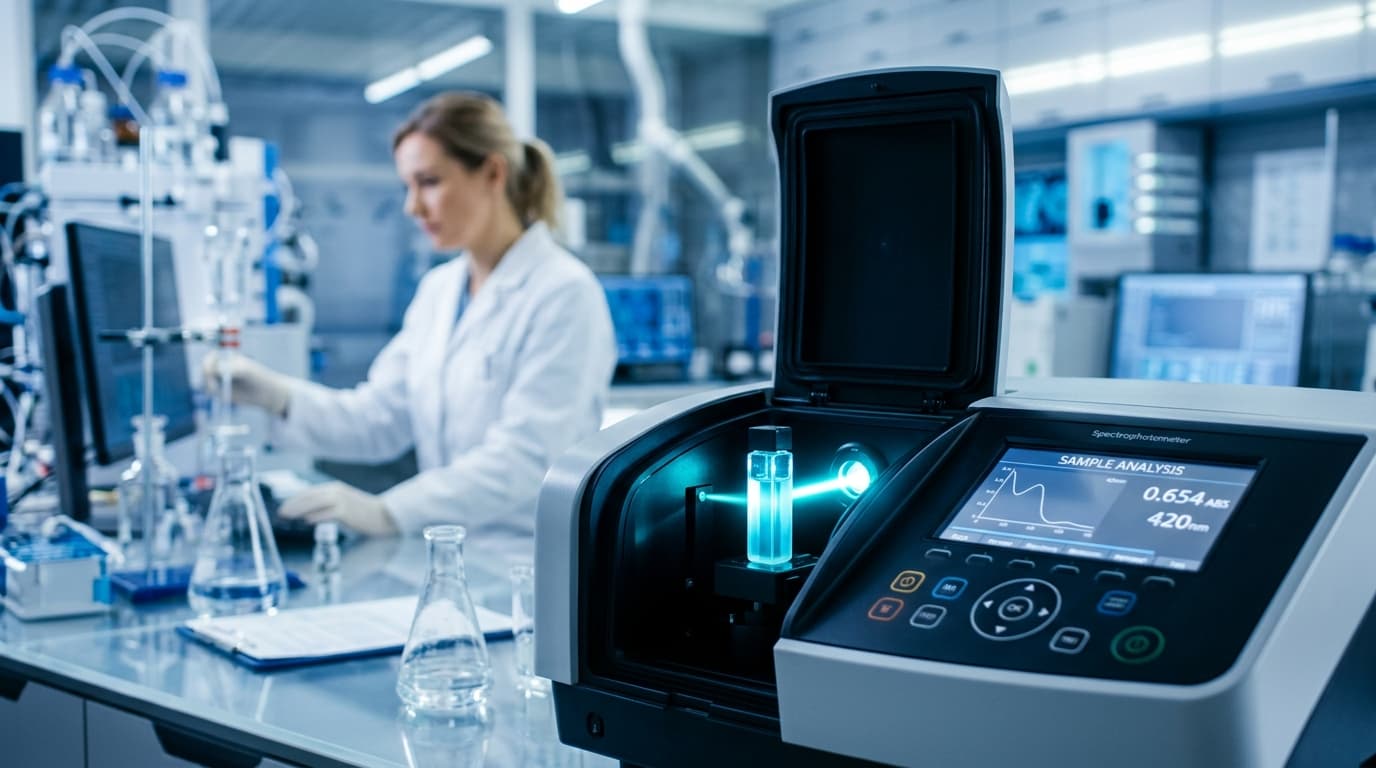
Deuterium lamps serve as the primary light source for high-performance liquid chromatography (HPLC) and UV-Vis spectrophotometers. These devices require a stable output in the 190 to 400 nanometer range to detect organic compounds and proteins accurately. Laboratory technicians rely on the consistent intensity of these lamps to ensure reproducible results during drug formulation and quality control processes.
The integration of these lamps into environmental monitoring systems has become a significant driver for market expansion. Government regulations regarding water quality and air pollution necessitate frequent testing using sensitive analytical tools. Deuterium-based systems offer the sensitivity needed to detect trace contaminants in complex environmental samples. This regulatory pressure forces agencies to maintain a steady inventory of replacement parts.
Manufacturers are currently focusing on improving the thermal management of these components to prevent premature failure. Excessive heat can lead to spectral drift, which compromises the accuracy of long-term experiments in chemical engineering. By utilizing advanced ceramic materials and optimized gas fills, companies are extending the functional life of their products beyond 2,000 hours of operation. These advancements allow scientists to conduct more complex studies without the frequent need for recalibration.
New designs also feature pre-aligned lamp housings to simplify the replacement process for end users. This reduction in maintenance downtime is particularly valuable for high-throughput commercial laboratories. These facilities operate around the clock and cannot afford lengthy calibration periods following a lamp change. Efficiency in maintenance remains a top priority for facility managers overseeing large-scale operations.
"The demand for high-stability UV light sources is accelerating as pharmaceutical companies prioritize faster throughput in their analytical laboratories."
— Sarah Jenkins, Lead Analyst at Data Bridge Market Research
Market Expansion and Industrial Integration
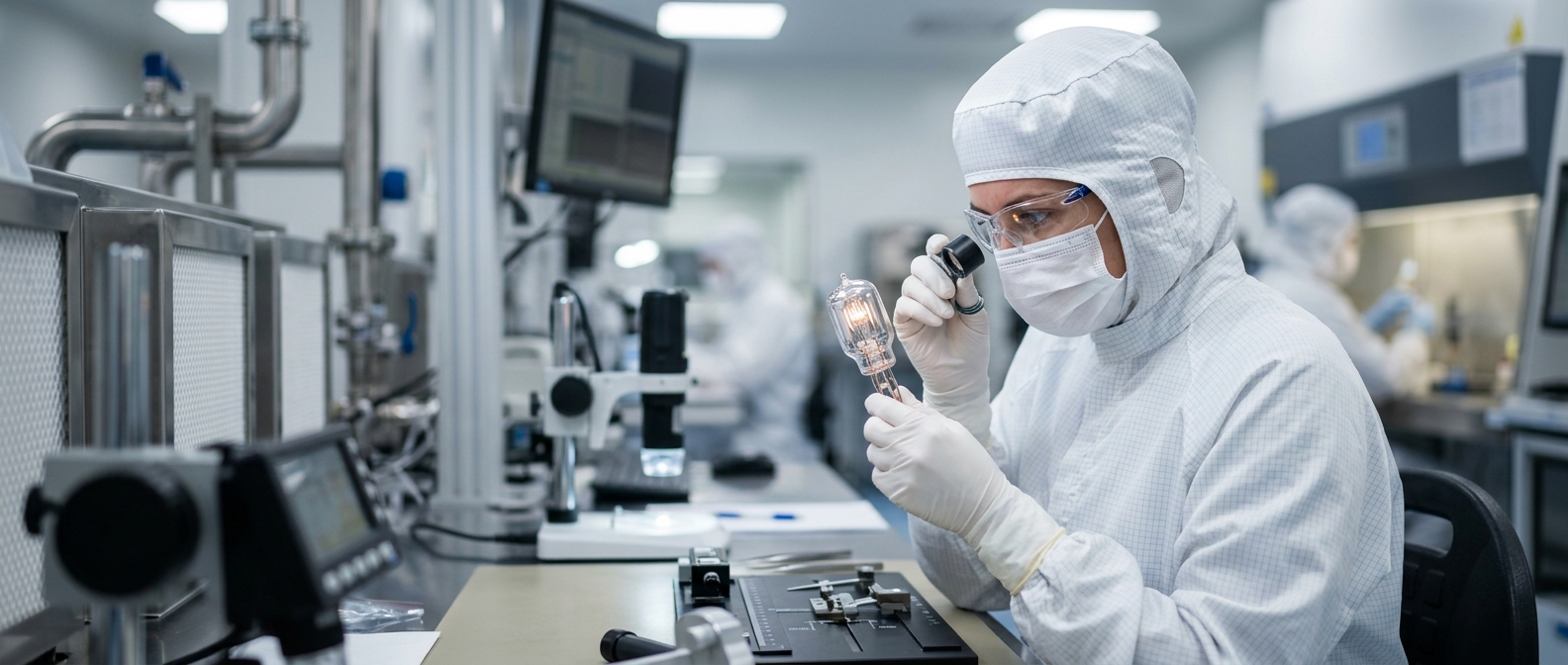
The pharmaceutical industry remains the largest consumer of deuterium lamps due to strict regulatory requirements for drug testing. Analytical laboratories must maintain high uptime, which fuels a consistent replacement market for consumable light sources. Developments in the Data Bridge Market Research report highlight the growing importance of the Asia-Pacific region for equipment suppliers. The ability to produce a smooth, continuous spectrum makes these lamps indispensable for identifying a wide array of molecular structures.
Rapid industrialization and the establishment of new research facilities in China and India are creating significant opportunities for equipment suppliers. Local manufacturers are also entering the space, offering cost-effective alternatives to established international brands. This competition is driving down prices while encouraging higher quality standards across the supply chain. Global logistics and supply chain stability also play a role in the availability of specialized laboratory components.
Technological shifts toward light-emitting diodes (LEDs) present a potential challenge to the traditional lamp market. While LEDs offer energy efficiency and instant-on capabilities, they currently struggle to match the broad spectral output of deuterium lamps in the deep UV range. Consequently, traditional lamps remain the standard for high-end research applications where full-spectrum coverage is mandatory for identifying unknown substances. Manufacturers are diversifying their production bases to mitigate risks associated with regional economic shifts.
The future of the deuterium lamp market depends on balancing performance with operational costs. As analytical techniques become more sophisticated, the requirement for low-noise and high-intensity light sources will only intensify. Industry participants are expected to invest in material science to further enhance lamp durability. This commitment to precision ensures that deuterium technology will remain a staple in scientific discovery for the foreseeable future. As scientific standards evolve, the hardware supporting these discoveries must also reach new levels of reliability.