
At a Glance
- Global deblistering machine market projected to expand at a 3.1% CAGR.
- Pharmaceutical waste reduction and sustainability drive equipment demand.
- Asia-Pacific region expected to lead growth in manufacturing recovery.
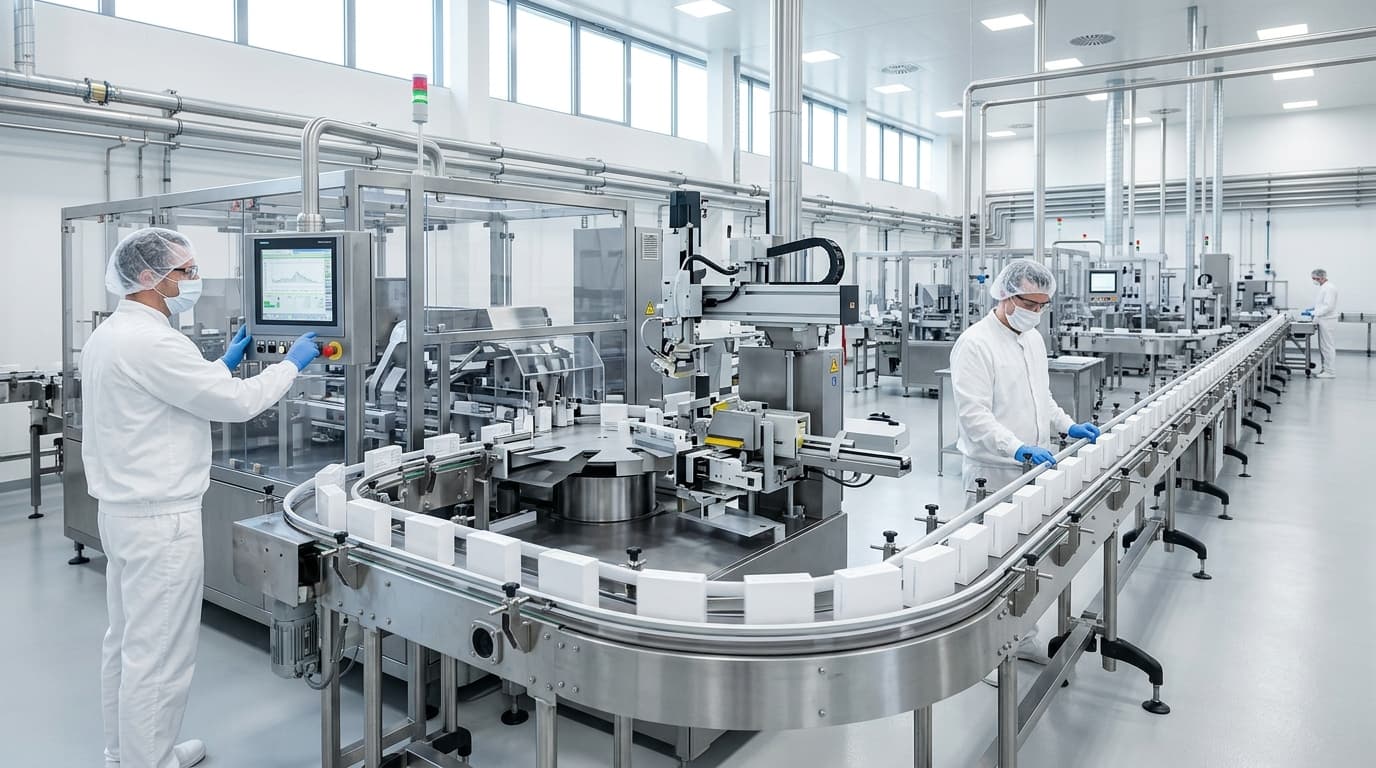
The global deblistering machine market is projected to expand at a compound annual growth rate of 3.1% between 2026 and 2033. This growth stems from the pharmaceutical industry's increasing focus on waste reduction and cost efficiency in packaging processes. Manufacturers utilize these specialized machines to recover valuable medication from damaged or incorrect blister packs. As regulatory standards for drug safety and environmental impact tighten, the demand for automated recovery solutions continues to rise across international markets.
Automation and Efficiency Drive Industrial Adoption
Automation plays a significant role in the current expansion of the deblistering sector. Modern systems now integrate sensors and precision mechanics to ensure that pills remain undamaged during the extraction process. These improvements help pharmaceutical companies maintain high quality control while minimizing manual labor costs.
Sustainability initiatives are pushing firms to adopt better recycling practices for packaging materials. Deblistering machines allow for the separation of aluminum and plastic components from the pharmaceutical products themselves. This capability supports circular economy goals and reduces the volume of hazardous waste sent to landfills.
North America and Europe currently lead the market due to their established pharmaceutical manufacturing bases. However, the Asia-Pacific region is expected to show the fastest growth over the next decade. Increasing healthcare investments in China and India drive the need for efficient production and recovery technologies.
Infinity Business Insights reports that the integration of digital tracking within these machines is becoming a standard requirement. Data logging allows facilities to track the volume of recovered units for inventory management. This transparency is vital for meeting strict compliance audits in the healthcare sector.
"The shift toward high-speed, automated deblistering solutions reflects a broader industry trend of prioritizing resource efficiency and operational transparency."
— Sarah Jenkins, Lead Analyst at Infinity Business Insights
Segment Performance and Regional Market Trends
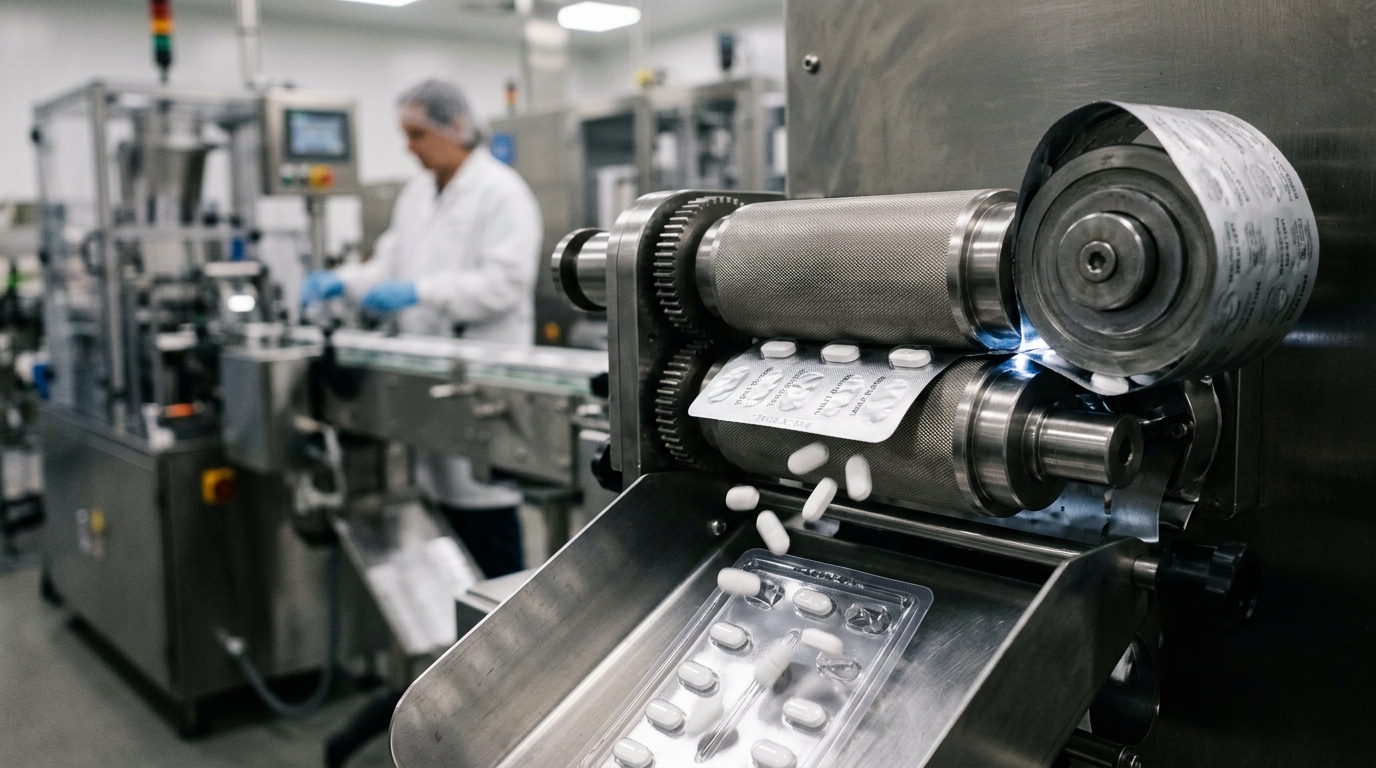
The market is divided into automatic, semi-automatic, and manual machines. Automatic deblistering units account for the largest revenue share because they handle high volumes with minimal human intervention. Large-scale pharmaceutical plants prefer these systems to maintain continuous production cycles without bottlenecks.
Semi-automatic models remain popular among smaller laboratories and hospital pharmacies. These machines offer a balance between cost and performance for facilities that process lower volumes of returned or expired stock. Versatility in handling different blister sizes remains a primary selling point for these mid-range units.
Key industry participants are focusing on modular designs that can adapt to various packaging formats. This flexibility reduces the need for multiple machines within a single facility. Companies are also investing in noise reduction features to improve the working environment for machine operators. Manufacturers want equipment that can handle both aluminum and plastic blisters with a single setup.
Pricing pressures in the global medicine market force manufacturers to look for every possible saving. Recovering expensive active pharmaceutical ingredients from rejected packaging provides a direct boost to the bottom line. Consequently, the return on investment for high-quality deblistering equipment has become more attractive to stakeholders. The ability to salvage high-value drugs ensures that production errors do not result in total financial loss.
Looking ahead, the deblistering machine market will likely benefit from the rise of personalized medicine and small-batch production. As packaging becomes more complex, the machines used to dismantle it must become more sophisticated. The projected 3.1% growth rate suggests a stable and maturing industry that is essential to the global healthcare supply chain. Continuous investment in research and development will ensure that these systems stay ahead of changing regulatory demands and material advancements.