Click Below To Share & Ask AI to Summarize This Article
Save time and get the key takeaways instantly. Choose your favourite AI assistant to read and analyse this page for you.
At a Glance
- New platform expansion targets hydrogen aircraft design.
- Partnership with global aerospace leaders confirmed.
- Projected 25% reduction in development timelines.
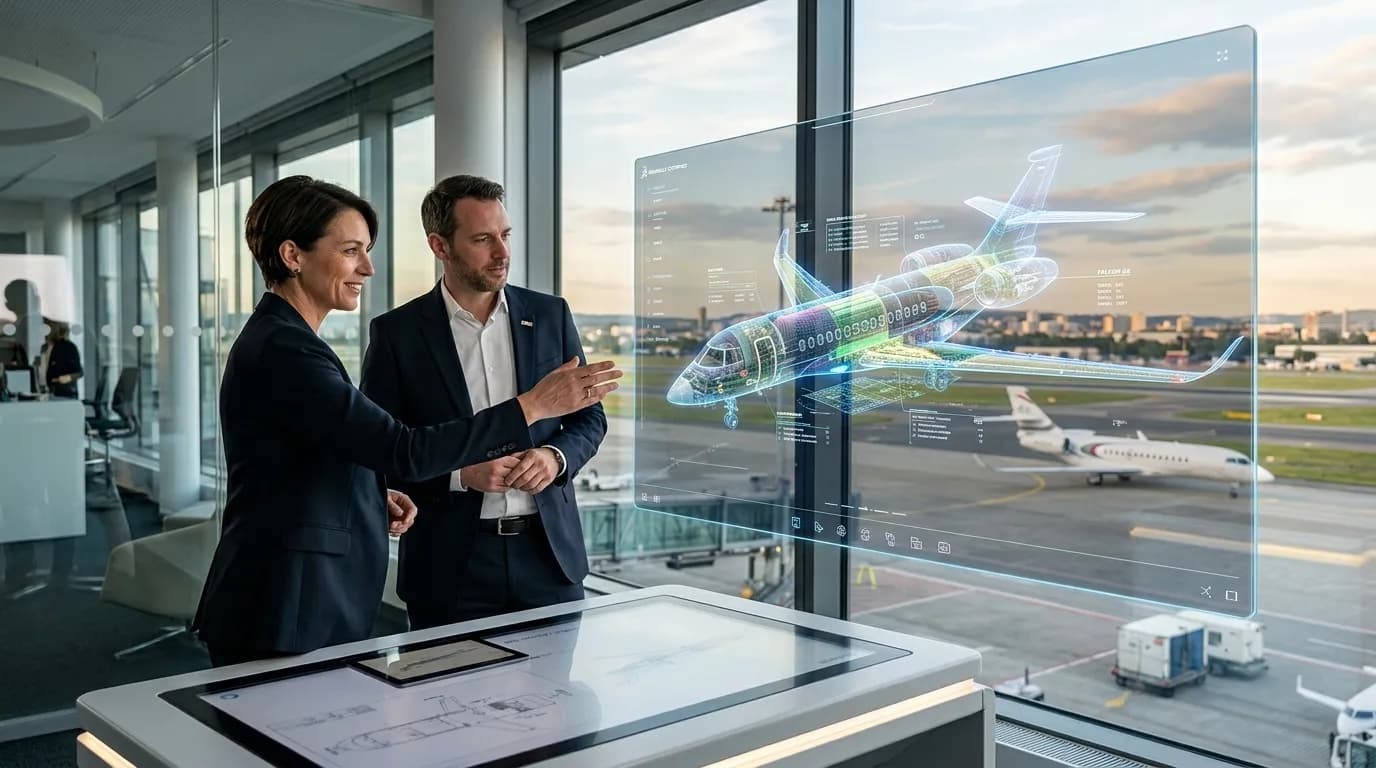
Dassault Systèmes announced a significant expansion of its virtual twin technology today, specifically targeting the development of hydrogen-powered propulsion systems for the aviation industry. The French technology giant confirmed that its updated platform will provide manufacturers with high-fidelity simulation environments to test liquid hydrogen storage and distribution. This move follows a series of successful pilot programs with European aerospace firms seeking to decarbonize commercial flight. The company expects the initiative to accelerate the certification of zero-emission aircraft by the end of the decade.
Technical Integration and Efficiency
The updated software integrates multi-physics simulation with real-time data analytics to model complex chemical reactions within fuel cells. Engineers can now simulate the behavior of hydrogen at cryogenic temperatures across the entire airframe. This capability reduces the reliance on physical prototypes, which often cost millions of dollars and require months to construct. By using digital models, design teams can identify potential structural failures early in the development cycle.
The company plans to deploy these tools across its global customer base starting in the second quarter of the fiscal year. Internal data suggests that companies adopting these virtual twin protocols see a 30% increase in engineering productivity. The system also supports collaborative workflows, allowing disparate teams to work on a single unified model. This approach minimizes data silos and ensures that every stakeholder has access to the most recent design iterations.
Dassault Systèmes remains focused on providing the infrastructure necessary for the next generation of sustainable transport. The company has allocated significant research and development funds to ensure the platform meets evolving safety standards. These investments represent a long-term commitment to the aerospace sector's environmental goals.
Software engineers have optimized the platform to handle massive datasets generated during test flights. This allows for a continuous feedback loop between physical testing and digital modeling. The platform also includes automated compliance checking for international aviation safety standards. These features aim to reduce the time spent on manual documentation and verification.
"This expansion of our virtual twin capabilities provides the aerospace industry with the precision tools needed to master hydrogen technology. We are providing the digital foundation for a new era of sustainable flight that balances performance with environmental responsibility."
— Bernard Charlès, Executive Chairman at Dassault Systèmes
Market Implications and Growth
Market analysts suggest that the demand for specialized simulation software in the energy sector will grow by 12% annually. Dassault Systèmes is positioning itself to capture a larger share of this market by offering industry-specific modules. These modules address the unique regulatory requirements of the French and international aviation authorities. The company's recent financial reports indicate a strong shift toward recurring revenue from its cloud-based simulation services.
Strategic partnerships play a central role in this expansion strategy. The company is
Stay Ahead of the News
Get the latest business news and company spotlights delivered to your inbox. No spam, unsubscribe any time.
We respect your privacy. Unsubscribe at any time.