

At a Glance
- New report outlines strategies for purchasing assets during market distress.
- Dollar Cost Averaging identified as a primary tool for risk mitigation.
- The Crypto Fear and Greed Index serves as a baseline for entry points.
Financial information platform Crypto Head has released a detailed report outlining specific methodologies for acquiring digital assets during periods of extreme market distress. The guide focuses on the "Extreme Fear" phase of the market cycle, which is typically characterized by high volatility and significant price corrections. By utilizing sentiment-based indicators, the organization aims to provide retail participants with a framework for objective decision-making. This release comes as global markets continue to experience fluctuations that often lead to emotional trading decisions among inexperienced investors.
Utilizing Sentiment Indicators and Market Psychology
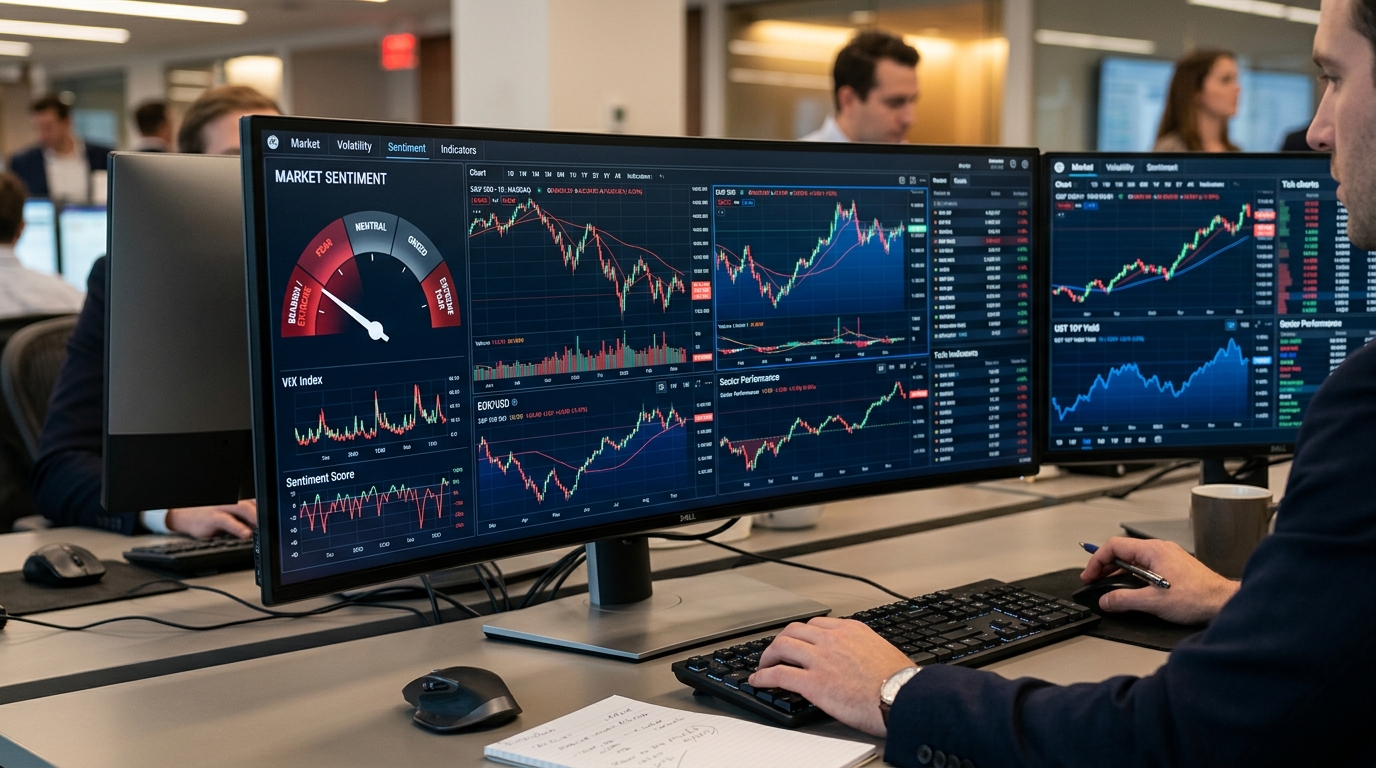
The report emphasizes the practical application of the Crypto Fear and Greed Index to identify potential buying opportunities. This metric aggregates data from several sources, including social media trends, market momentum, and trading volume, to produce a daily score. When the index falls below a certain threshold, it suggests that the market is oversold due to irrational panic. Crypto Head suggests that these periods of low sentiment historically precede significant price recoveries for major assets.
Psychological barriers often prevent individuals from executing trades when prices are at their lowest. The guide explains that the "herd mentality" causes most participants to sell during downturns and buy during peaks. By focusing on data-driven metrics rather than news headlines, investors can maintain a disciplined approach to capital allocation. The report argues that understanding these cycles is a fundamental requirement for anyone looking to build a resilient portfolio over several years.
The weighting of the index is also a factor, as it considers Bitcoin dominance and search engine trends to gauge the broader mood. High volatility is often viewed as a negative trait, but the guide reclassifies it as a window for value acquisition. Successfully managing these periods requires a shift in perspective from short-term losses to long-term asset accumulation. The document provides several historical examples where buying during "Extreme Fear" resulted in substantial gains during the subsequent "Greed" phases.
"Investing during periods of extreme fear requires a disciplined approach that prioritizes data over instinctual reactions to price drops."
— Spokesperson, Market Analyst at Crypto Head
Implementing Risk Management and Entry Strategies
A central component of the new guide is the implementation of Dollar Cost Averaging to manage price entry points. This strategy involves committing a fixed amount of currency at regular intervals to reduce the impact of sudden market swings. By spreading out purchases, investors can lower their average cost basis without needing to time the absolute bottom of a cycle. This method is particularly effective during bear markets when the duration of a downturn is unknown.
The report also advises maintaining a portion of a portfolio in stablecoins to ensure liquidity is available during flash crashes. Having "dry powder" on hand allows for the immediate execution of trades when the Fear and Greed Index hits record lows. The guide warns against using excessive debt or margin during these times, as the risk of liquidation remains high. Diversification across established assets like Bitcoin and Ethereum is recommended to minimize the impact of individual project failures.
Setting predetermined exit and entry levels is another tactic highlighted in the documentation to remove emotion from the process. Investors are encouraged to write down their goals before market conditions become volatile. This preparation helps prevent impulsive selling when the market experiences a temporary dip. The guide concludes that consistency and patience are the most effective tools for handling the inherent risks of the digital asset sector.
The publication of this strategy guide reflects a broader trend toward professionalized education in the digital asset space. While market cycles remain inherently unpredictable, historical data offers a blueprint for those who can remain objective during periods of panic. Success in these markets often depends more on the ability to control emotional impulses than on technical trading skills. As the industry matures, the adoption of these disciplined standards will likely become a standard practice for participants seeking long-term stability.