Click Below To Share & Ask AI to Summarize This Article
Save time and get the key takeaways instantly. Choose your favourite AI assistant to read and analyse this page for you.
At a Glance
- Convenience services are growing faster than traditional restaurant and foodservice segments.
- Consumer demand is driving a significant shift toward fresh, healthy, and organic offerings.
- Cashless transactions and AI-driven inventory management now dominate the sector.
The convenience services industry is currently experiencing a period of rapid expansion, significantly outperforming many traditional segments within the broader foodservice market. According to the latest industry report, micro-markets and advanced vending solutions are capturing a larger share of consumer spending as workplace habits evolve. This growth reflects a fundamental shift in how professionals access food and beverages during the workday. The data indicates that convenience-led retail is no longer just a secondary option but a primary driver of sector-wide revenue increases. Industry analysts suggest this trend will continue as more companies invest in high-quality breakroom solutions to attract talent.
Health-Forward Micro-Markets Drive Growth
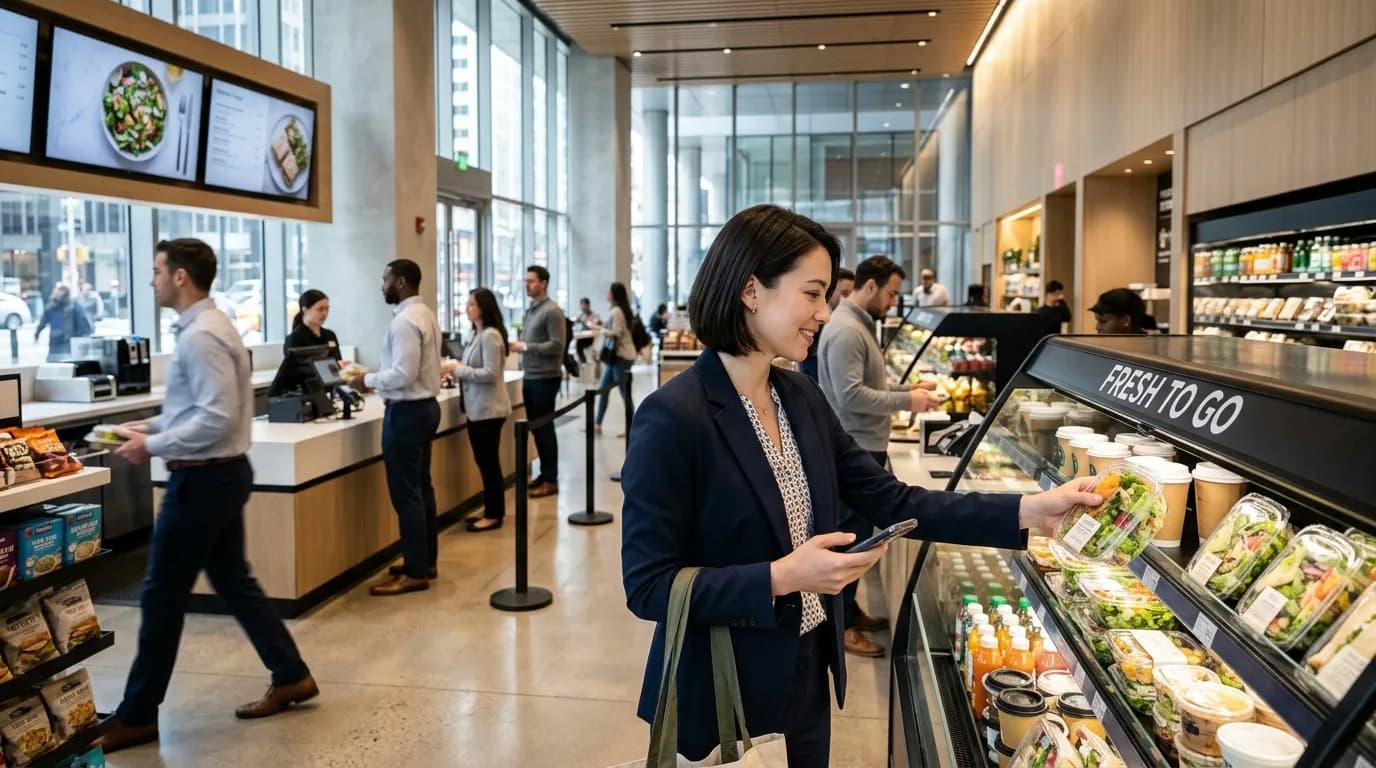
Consumer preferences are shifting away from traditional snacks toward fresh, nutritious options in the workplace. The report highlights a 15% increase in the availability of organic and low-sodium products within micro-market environments. This change aligns with broader public health trends and the demands of a younger, more health-conscious workforce. Operators are responding by curating selections that include fresh salads, protein bowls, and functional beverages.
The adoption of micro-markets has surpassed traditional vending machine installations for the third consecutive year. These open-rack markets provide a more retail-like experience that encourages higher transaction values. Employers are increasingly viewing these installations as a vital perk to encourage office attendance. This trend is particularly strong in corporate hubs where traditional cafeteria services have been scaled back.
The National Automatic Merchandising Association notes that the variety of SKUs in these markets has doubled since 2022. This variety allows operators to test new products with minimal risk compared to traditional retail. Data-driven inventory management ensures that high-demand items remain in stock while reducing waste from perishable goods.
Operators are also adding plant-based snacks and gluten-free options to accommodate diverse dietary needs. These specialized offerings often command premium prices, further boosting the average transaction value for micro-market owners. This strategy effectively captures a wider demographic of office workers who previously avoided vending options.
"The data confirms that convenience services are no longer just about quick snacks; they are becoming a central part of the daily nutritional habits of the modern workforce. Our industry is successfully meeting the demand for high-quality, fresh food through sophisticated delivery systems."
— Carla Balakgie, President and CEO at NAMA
Technological Integration and Cashless Adoption
Technology is playing a central role in the operational efficiency of the convenience services sector. Cashless transactions now account for over 70% of all sales in the vending and micro-market space. This shift has reduced the overhead costs associated with cash handling and security for operators. It also provides a wealth of consumer data that was previously unavailable in the traditional vending model.
Artificial intelligence is being used to optimize delivery routes and predict stockouts before they occur. These systems analyze historical sales data to suggest the most profitable mix of products for each specific location. This level of precision helps operators maintain high margins despite rising labor and logistics costs. Automated kiosks are also becoming more interactive, offering personalized promotions to recurring customers.
The integration of mobile apps allows users to check inventory levels and nutritional information before they even reach the breakroom. Loyalty programs integrated into these apps are driving repeat business and increasing brand affinity. As hardware costs decrease, even smaller office environments are gaining access to high-tech refreshment solutions.
Modern equipment now features energy-efficient cooling systems and smart lighting to reduce the environmental footprint of these installations. Many operators are also implementing telemetry systems that provide real-time updates on machine health. This proactive maintenance approach prevents downtime and ensures a consistent experience for the end user.
The outlook for convenience services remains positive as the industry continues to adapt to the changing needs of the global workforce. With a focus on health-conscious products and efficient technology, the sector is well-positioned for sustained long-term growth. Future developments will likely include more sophisticated automation and even greater customization for individual workplace demographics. Industry leaders expect this momentum to carry through the end of the decade as convenience remains a top priority for busy professionals.
Stay Ahead of the News
Get the latest business news and company spotlights delivered to your inbox. No spam, unsubscribe any time.
We respect your privacy. Unsubscribe at any time.