
At a Glance
- Urban safety and pedestrian protection drive barrier demand.
- Smart city integration introduces sensors into concrete designs.
- Asia-Pacific region leads growth in infrastructure investment.
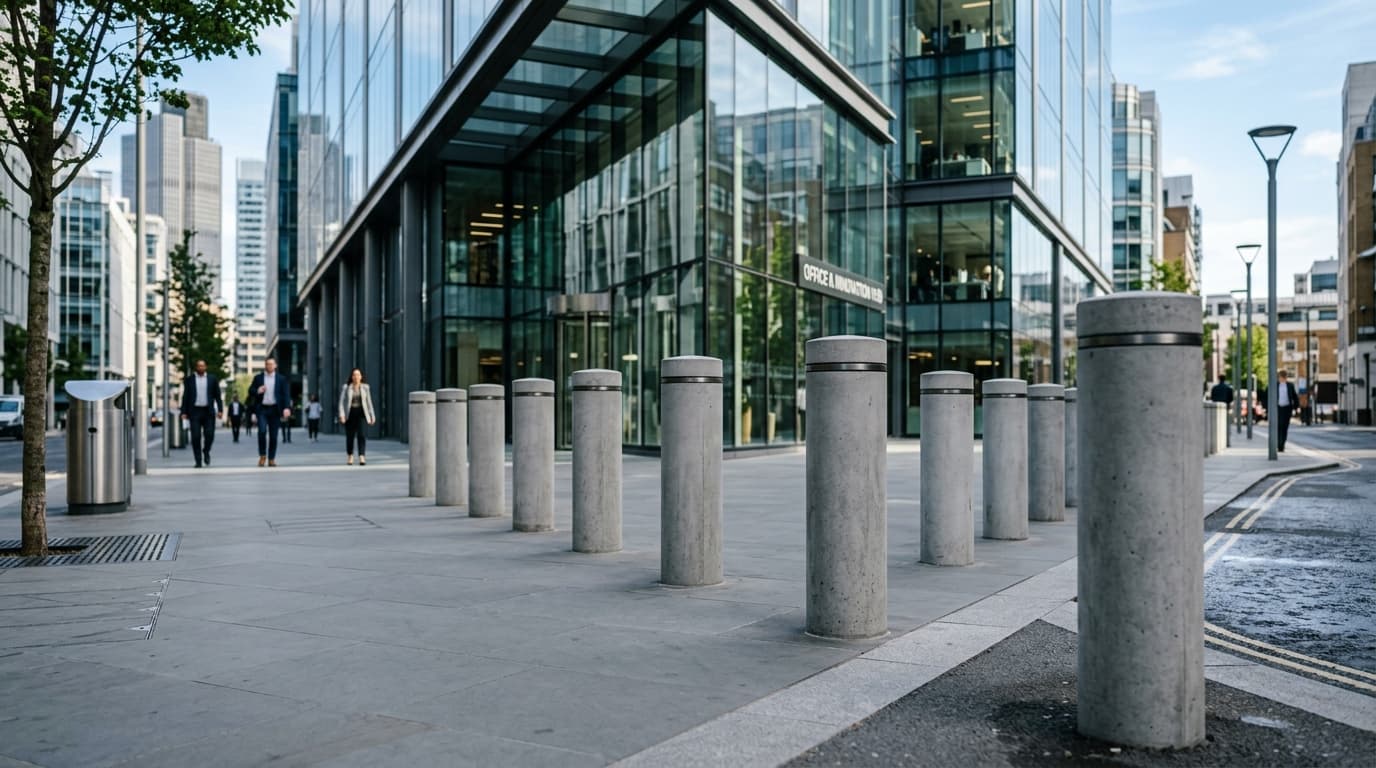
The global concrete parking bollards market is projected to see steady growth through 2026 as city planners prioritize pedestrian safety and perimeter security. Rapid urbanization and the expansion of smart city infrastructure are the primary drivers behind this increased demand for physical barriers. These structures are no longer seen as simple blocks of cement but as essential components of modern traffic management systems. Market analysts point to rising investments in commercial and public spaces as a key factor for the industry’s upward trajectory.
Urban Safety and Smart Infrastructure Integration
Municipalities are increasingly adopting concrete bollards to create safer environments in densely populated urban zones. These barriers prevent unauthorized vehicle access while maintaining the visual appeal of public squares and government buildings. Many city planners now require specific impact ratings for any barrier installed near high-traffic pedestrian areas. This regulatory shift ensures that infrastructure keeps pace with evolving safety requirements and protects citizens from vehicular threats.
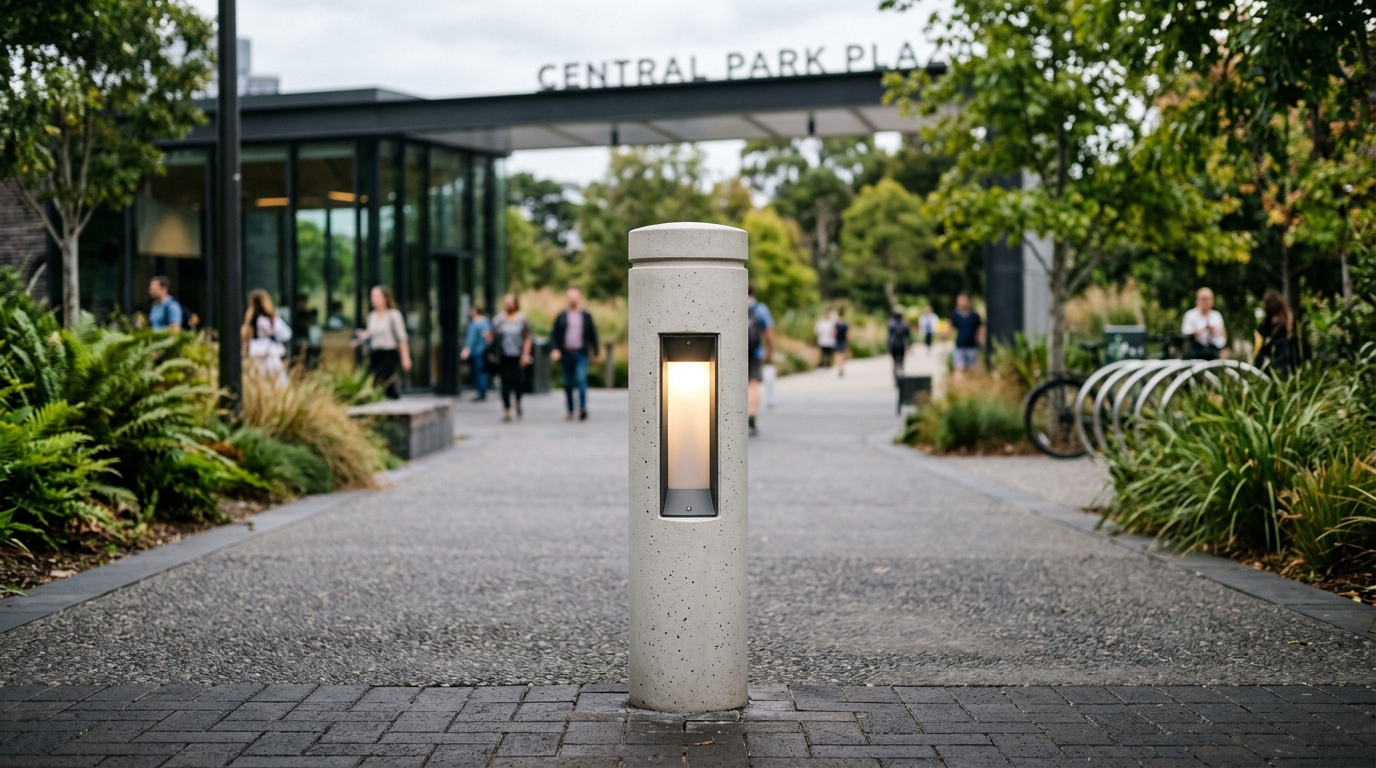
The rise of smart cities has influenced the design of these traditional security barriers. Manufacturers are now integrating sensors and lighting systems directly into the concrete structures to provide real-time data on traffic patterns. Reliance Foundry is a leading provider in this space, offering products that combine durability with modern aesthetic requirements. These advancements allow city managers to monitor perimeter security more effectively without adding clutter to the street.
Demand is also rising for flexible bollard solutions that can be moved or removed based on specific needs. Removable and collapsible concrete options are gaining traction in mixed-use developments that require temporary vehicle access for events or emergencies. These systems provide the necessary security during normal operation while allowing for operational flexibility. The market for these specialized barriers is expanding as urban spaces become more multi-functional.
"The demand for concrete bollards is shifting from basic perimeter marking to sophisticated safety integration within urban centers. We are seeing a marked increase in requests for barriers that combine high-impact resistance with smart monitoring capabilities to support modern infrastructure needs."
— Brad Done, Vice President at Reliance Foundry
Material Advancements and Regional Market Dynamics
Advancements in material science are contributing to the longevity and effectiveness of concrete parking bollards. High-performance concrete mixes now offer better resistance to environmental stressors such as salt, freeze-thaw cycles, and heavy impacts. These improvements reduce maintenance costs for property owners and local governments over the long term. Manufacturers are also focusing on sustainable production methods to align with green building initiatives.
The market is currently segmented into fixed, removable, and telescopic designs to meet diverse operational needs. Fixed bollards remain the standard for permanent protection around storefronts and fuel stations. However, the demand for removable versions is growing in areas that require occasional vehicle entry for maintenance services. Each type offers specific benefits depending on the level of security and accessibility required by the site.
Regional growth is particularly strong in the Asia-Pacific region due to rapid urbanization and large-scale infrastructure projects. China and India are investing heavily in transportation hubs where concrete bollards are essential for directing pedestrian traffic. In North America, the focus remains on retrofitting existing commercial zones with upgraded safety features to meet new standards. This global activity ensures a steady trajectory for manufacturers specializing in perimeter security solutions.
The competitive environment includes major players such as Calpipe Industries and Marshalls, who are focusing on diversifying their product portfolios. These companies are investing in research to develop concrete finishes that mimic natural stone or other high-end materials. By offering more design choices, they can appeal to architects who previously avoided concrete barriers due to their industrial appearance. This focus on design is helping manufacturers secure contracts for luxury retail developments and high-end residential complexes.
The outlook for the concrete parking bollards market remains positive as urban density increases and safety regulations become more stringent. Companies are expected to focus on aesthetic versatility to ensure these barriers complement modern architectural styles. As smart city initiatives continue to roll out, the role of the bollard will likely expand from a passive barrier to an active data collection point. Stakeholders should monitor emerging material technologies that promise even greater durability and environmental sustainability in the coming years.