
At a Glance
- The global chickpea snacks market is projected to grow at a 6.2% CAGR through 2028.
- Increasing consumer demand for plant-based proteins and gluten-free options drives sector expansion.
- North America currently leads the market share while the Asia-Pacific region shows the fastest growth.
The global chickpea snacks market is experiencing significant expansion as consumer preferences shift toward healthier, protein-rich alternatives to traditional savory snacks. Recent data indicates the sector will reach a valuation of USD 9.5 billion by 2028, maintaining a steady compound annual growth rate of 6.2% during the forecast period. This growth stems from a heightened awareness of nutritional benefits and a rising global trend toward vegan and plant-based diets. Manufacturers are responding by diversifying product lines to include various flavors and formats that cater to health-conscious demographics.
Nutritional Demand and Product Segmentation
Consumer interest in functional foods has placed chickpeas at the center of the snack industry evolution. These legumes provide a high concentration of protein, fiber, and essential minerals while remaining naturally gluten-free. As obesity rates rise globally, many shoppers are actively replacing high-calorie potato chips with nutrient-dense roasted chickpeas. This shift is particularly visible among office workers and students seeking sustained energy throughout the day.
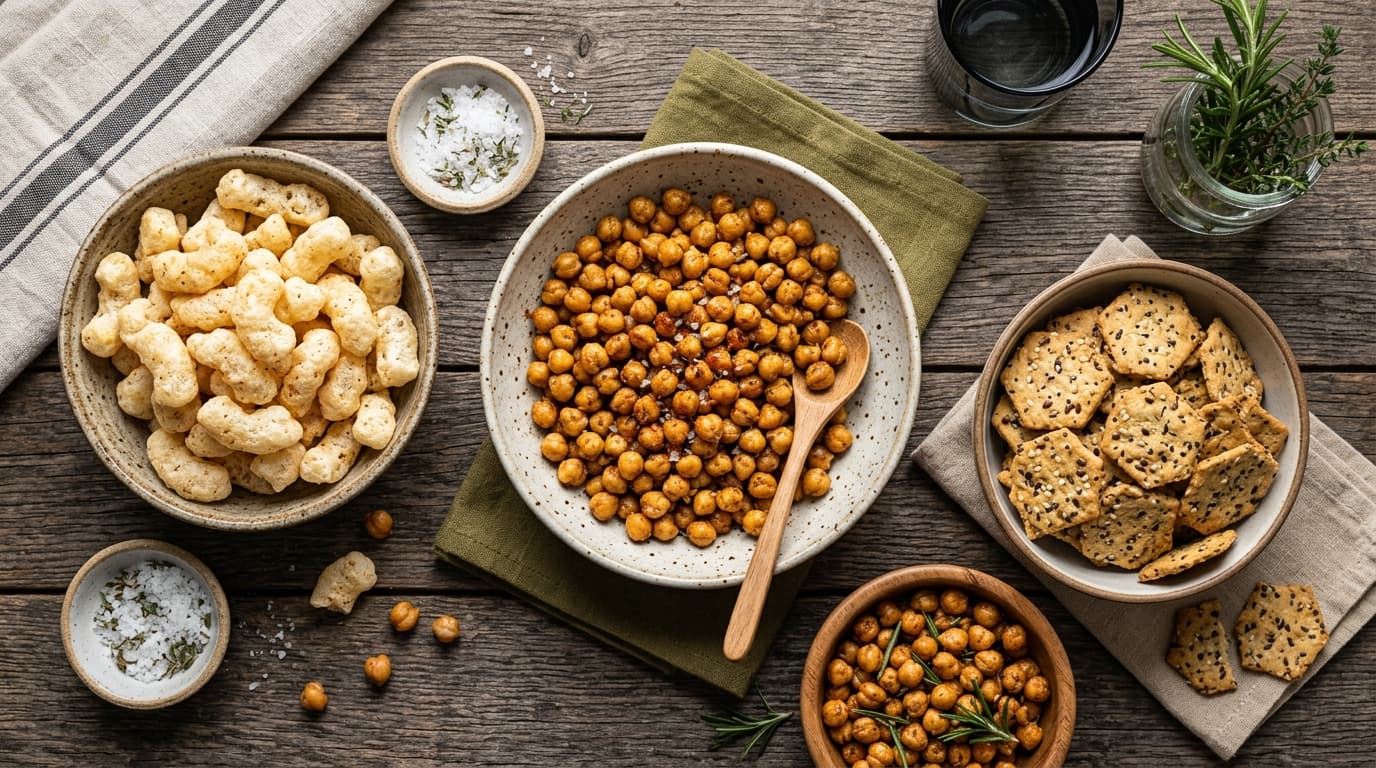
The rise of the flexitarian diet has further accelerated the adoption of legume-based products across Western markets. Many individuals now seek to reduce meat consumption without sacrificing their daily protein intake. Market Research Future reports that the versatility of chickpea flour allows for the creation of puffs, chips, and crackers that mimic traditional textures. These products often feature lower fat content compared to corn or potato-based equivalents.
Environmental concerns also play a significant role in purchasing decisions for younger demographics. Chickpeas have a lower environmental footprint compared to animal-based snacks because they require less water and nitrogen to cultivate. This ecological advantage helps brands position their products as ethical choices for environmentally aware consumers. Consequently, marketing strategies now frequently highlight the sustainability of pulse crops alongside their health benefits.
"The shift toward plant-forward eating is no longer a niche movement but a primary driver of snack food development. We expect to see more established food giants acquiring smaller chickpea-focused brands to capture this growing market share."
— Lead Analyst, Market Research Future
Regional Growth and Distribution Strategy
North America remains the dominant regional market due to the high penetration of health-oriented retail chains and a mature vegan population. Major retailers in the United States and Canada have expanded their shelf space for pulse-based snacks to meet this consistent demand. Local brands are also experimenting with spicy and savory flavor profiles to appeal to diverse palates. This regional dominance is supported by a well-established supply chain and high consumer spending power.
The Asia-Pacific region is poised for the most rapid growth over the next several years. Increasing disposable incomes and a traditional familiarity with chickpeas in countries like India and Australia provide a strong foundation for market entry. Urbanization and the growth of organized retail sectors in these nations facilitate easier access to packaged chickpea products. Analysts expect this region to contribute a substantial portion of the total market revenue by the end of the decade.
Distribution strategies are shifting as e-commerce platforms become a vital channel for specialty snack brands. While supermarkets still account for the majority of sales, direct-to-consumer models allow smaller companies to reach niche audiences efficiently. Convenience stores are also stocking more single-serve chickpea packs to capture the on-the-go snacking segment. This multi-channel approach ensures that products are available to consumers across various shopping environments.
Competition among key players like PepsiCo and Hippeas is intensifying as they vie for shelf prominence. These companies are investing in production technology to improve the texture and shelf life of roasted legume products. Such investments ensure that the snacks remain crispy and flavorful without the need for excessive artificial preservatives. The entry of large multinational corporations into the space validates the long-term viability of the chickpea snack category.
The trajectory of the chickpea snacks industry suggests a permanent shift in the global food processing sector. As research continues to highlight the health benefits of pulses, more consumers will likely integrate these snacks into their daily routines. The combination of nutritional value, environmental sustainability, and flavor variety positions chickpeas as a staple in the future of the food industry. Stakeholders should monitor emerging markets in South America and the Middle East for the next wave of expansion opportunities.