
At a Glance
- Market valuation expected to climb steadily through 2030.
- Rising incidence of chronic heart disease drives global demand.
- North America remains the dominant regional player in the sector.
The global cardiovascular devices market is experiencing significant expansion as healthcare providers prioritize advanced diagnostic and therapeutic tools to combat rising mortality rates. Recent data indicates the sector will maintain a steady compound annual growth rate through the end of the decade, reaching new valuation heights. This trajectory is fueled by an aging global population and the increasing prevalence of lifestyle-related heart conditions such as hypertension and obesity. Manufacturers are responding by focusing on more precise, less invasive technologies that improve patient outcomes while reducing hospital stay durations.
Technological Shifts in Cardiac Care
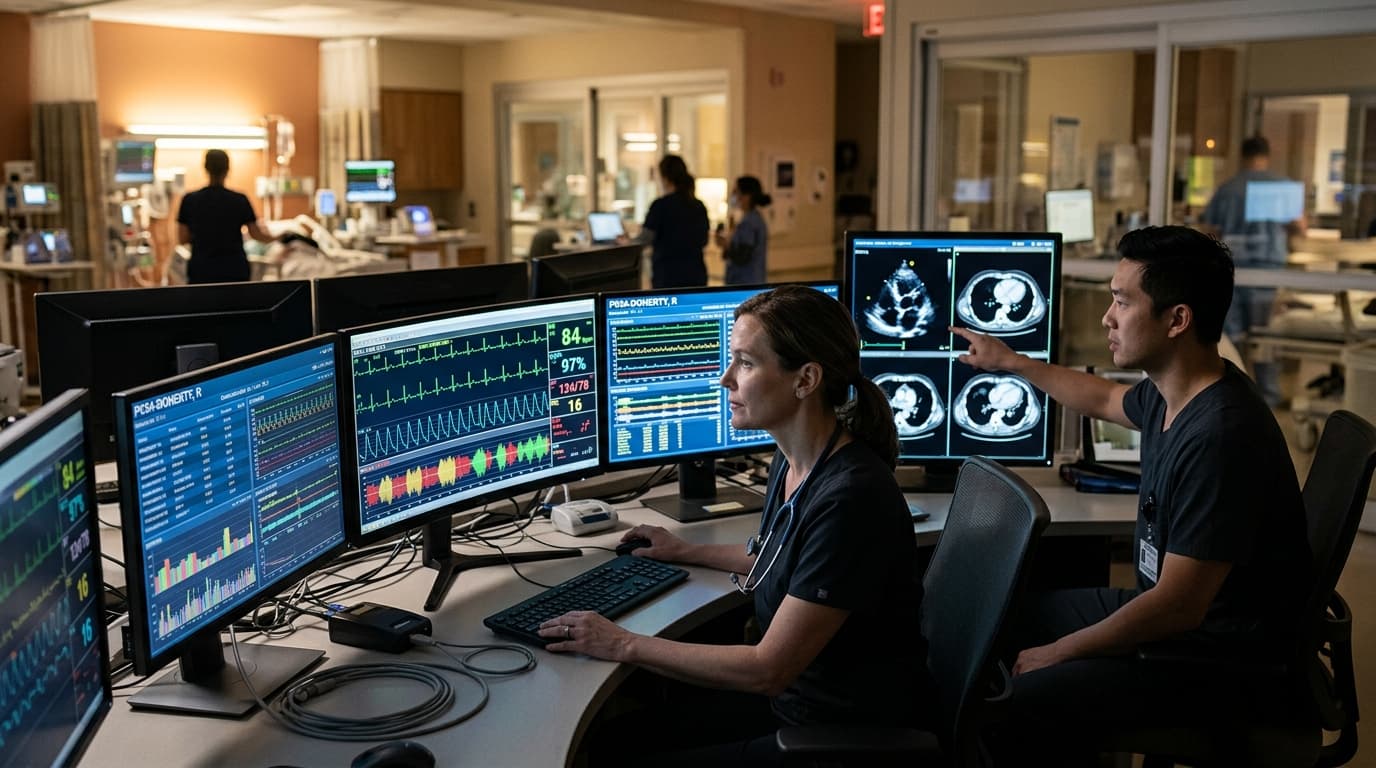
Diagnostic devices like electrocardiograms and remote monitors are seeing increased adoption across diverse clinical environments. These tools allow for earlier detection of arrhythmias and other cardiac irregularities that might otherwise go unnoticed. The shift toward preventative care encourages patients to seek medical intervention before conditions become critical, saving lives and reducing long-term costs.
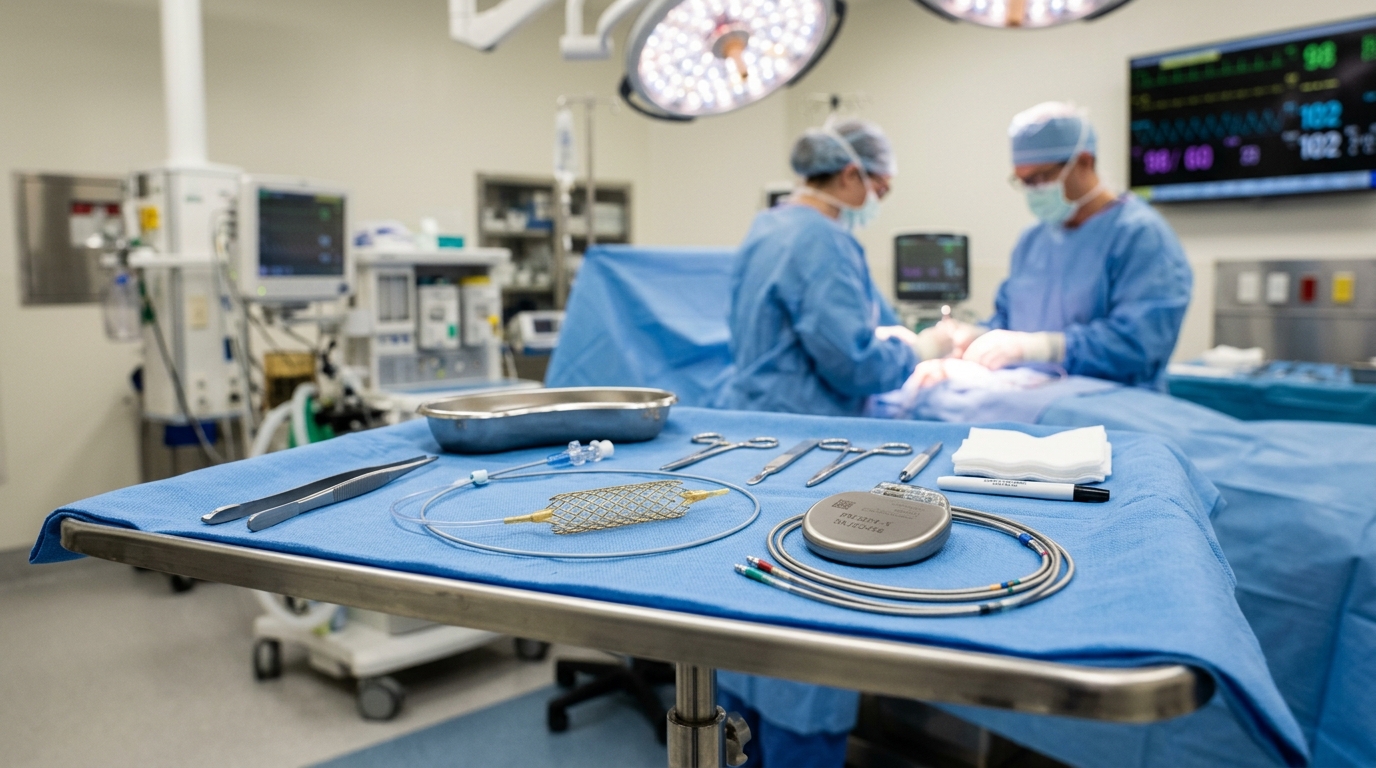
Therapeutic devices, including pacemakers and defibrillators, continue to represent a large portion of the market share. Advancements in battery life and wireless connectivity have made these implants more reliable for long-term use and patient comfort. Surgeons are increasingly opting for devices that offer remote data transmission capabilities, allowing for constant monitoring without frequent office visits.
Minimally invasive surgical tools are also gaining traction within the global medical industry. Catheter-based interventions reduce the physical trauma associated with traditional open-heart procedures, leading to faster recovery times. This trend supports the growth of ambulatory surgical centers that specialize in rapid-recovery cardiac operations and outpatient procedures.
The integration of digital imaging systems provides clinicians with better visualization during complex structural heart procedures. High-definition mapping and real-time data integration help in placing stents and valves with significantly higher accuracy than previous generations of equipment. These developments contribute to lower complication rates and higher success frequencies in both emergency and elective clinical settings.
"The transition toward outpatient care and home-based cardiac monitoring is reshaping how manufacturers design their product pipelines to meet modern patient needs."
— Senior Research Analyst at Market Research Future
Regional Trends and Competitive Dynamics
North America currently leads the global market due to its established healthcare infrastructure and high per-capita healthcare spending. The presence of major industry players in the United States facilitates rapid commercialization of new medical technologies and surgical instruments. Regulatory frameworks in this region also provide a structured path for product approvals, ensuring that safety standards are met before widespread adoption.
The Asia-Pacific region is identified as the fastest-growing market for cardiovascular solutions due to rapid urbanization. Increasing investments in healthcare facilities in China and India are creating new opportunities for global suppliers to expand their footprint. According to Market Research Future, rising disposable incomes in these nations allow more patients to access sophisticated cardiac treatments that were previously unavailable.
Europe maintains a strong position with a focus on standardized care protocols and regional public health initiatives. Countries like Germany and France are investing in large-scale screening programs to address the heavy burden of cardiovascular diseases on their national health systems. These government-backed efforts ensure a consistent demand for both diagnostic hardware and interventional supplies across the continent.
Key market participants including Medtronic, Boston Scientific, and Abbott Laboratories are focusing on strategic acquisitions to bolster their market presence. By purchasing smaller specialized firms, these giants expand their intellectual property portfolios and gain entry into niche surgical markets. This consolidation helps companies maintain competitive pricing while funding the expensive research and development projects required for next-generation hardware.
Looking ahead, the cardiovascular devices sector is poised for continued stability as health systems adapt to a post-pandemic environment. The emphasis on data-driven diagnostics and portable monitoring will likely define the next generation of product releases. While regulatory hurdles and high costs remain challenges, the underlying demand for cardiac health solutions remains strong. Stakeholders expect the market to evolve alongside improvements in digital health infrastructure and personalized medicine as the industry seeks to address chronic heart disease globally.