C Spire completes fiber infrastructure projects funded by the Capital Projects Fund.
The expansion provides high-speed internet to thousands of unserved Mississippi homes.
Federal grants totaling millions supported the deployment across rural counties.
Telecommunications provider C Spire has finalized its infrastructure deployment under the Mississippi Capital Projects Fund, marking a significant milestone for regional connectivity. This initiative utilized federal grant money to install thousands of miles of fiber-optic cable across previously unserved areas of the state. By finishing these specific projects, the company now offers gigabit-speed internet to residents and businesses in multiple rural counties. The completion aligns with broader state efforts to eliminate digital gaps and support local economic development.
Infrastructure Deployment and Connectivity Goals
The project targeted specific zones where traditional broadband providers previously failed to invest due to high construction costs and low population density. C Spire deployed fiber-to-the-home technology, which provides symmetrical upload and download speeds. This technical standard supports remote work, distance learning, and telehealth services for thousands of households. The company worked alongside state officials to identify priority areas that lacked basic high-speed access.
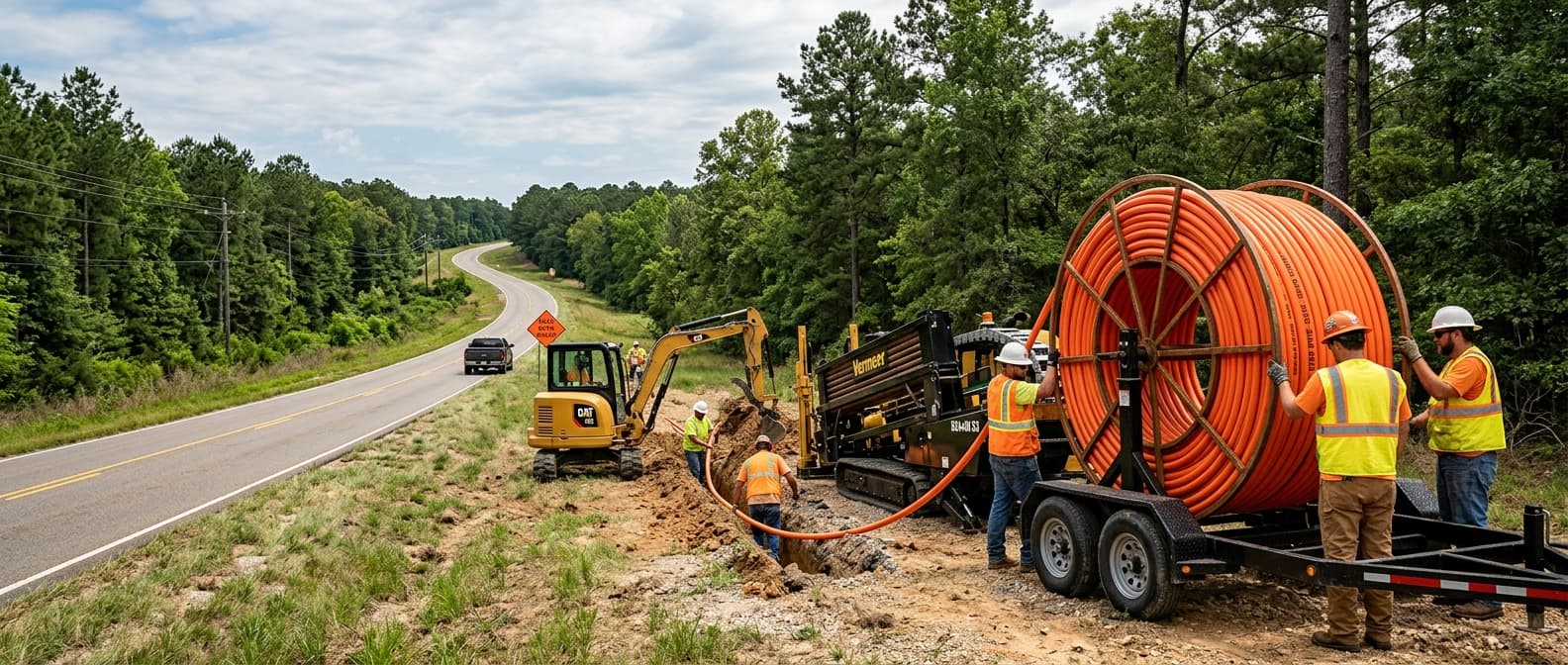
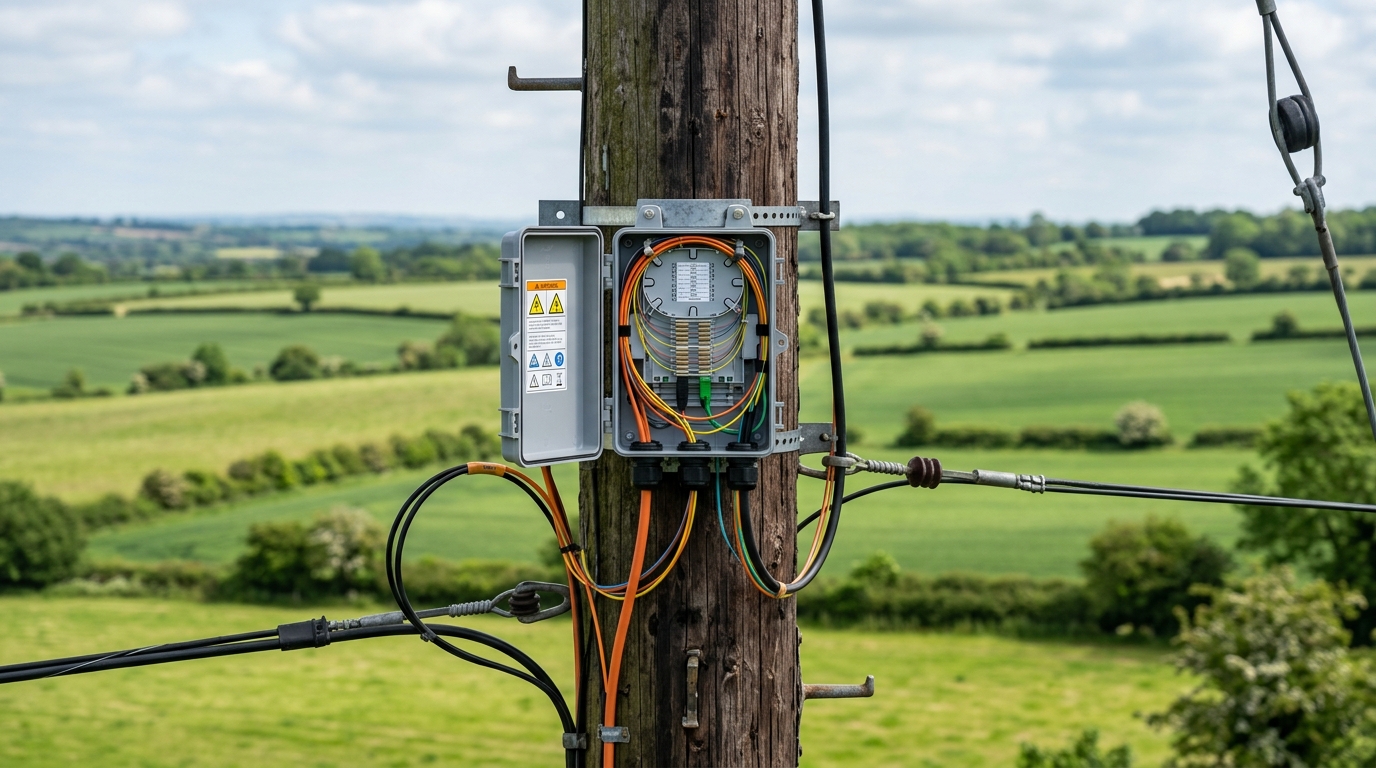
Construction teams laid underground and aerial fiber through difficult terrain to ensure long-term durability. This infrastructure serves as a backbone for future technological upgrades in the region. Local municipalities expect the new connectivity to attract residents who require stable internet for professional activities. The investment represents a shift in how rural utilities are managed and prioritized in the Southern United States.
The company managed the logistics of the rollout to meet strict federal deadlines associated with the grant funding. By hitting these targets, the firm secured the full allocation of the Capital Projects Fund resources. This success demonstrates the effectiveness of public-private partnerships in addressing large-scale infrastructure challenges. The operational phase now shifts toward customer acquisition and network maintenance in these newly connected zones.
The project also involved collaboration with local utility cooperatives to share existing pole space. This strategy reduced the need for new excavations and minimized the environmental impact on rural lands. By using shared infrastructure, the company accelerated the timeline for bringing the network online. Residents in these areas can now choose from various service tiers based on their specific bandwidth requirements.
"The completion of these projects signifies our commitment to providing high-speed internet to every corner of Mississippi. We are proud to work with the state to bring this vital resource to communities that have been left behind for too long."
— Hu Meena, CEO at C Spire
C Spire Finishes Mississippi Fiber Expansion Projects
Economic Impact and Future Growth
The availability of fiber-optic internet often correlates with increased property values and business growth in rural communities. Small business owners in the affected counties can now utilize cloud-based tools and e-commerce platforms that were previously inaccessible. This economic integration helps stabilize local tax bases and prevents population loss in agricultural regions. State leaders view this broadband expansion as a necessary step for remaining competitive in a digital economy.
Funding for these projects came from the American Rescue Plan Act, which established the Capital Projects Fund to address pandemic-era connectivity needs. The Mississippi Department of Finance and Administration oversaw the distribution of these funds to qualified providers. The company was among the primary recipients due to its existing network footprint and ability to scale operations quickly. The completion of these specific grants sets a precedent for future federal funding cycles.
Beyond residential use, the fiber network supports local government functions and emergency services. Public schools and libraries in the project areas now have the capacity to handle high-bandwidth educational applications. This upgrade reduces the hardware limitations that previously hindered digital literacy programs in rural districts. The network is designed to be scalable, allowing for future speed increases without replacing the core fiber lines.
As the telecommunications firm moves past the construction phase of the Capital Projects Fund initiative, the focus turns to long-term network reliability and customer support. The company plans to continue its internal investment strategies to complement these federally funded expansions. This completed work provides a template for other states looking to utilize grant programs for infrastructure improvements. Regional stakeholders expect the long-term benefits of this fiber deployment to manifest in improved educational outcomes and diversified local economies.
Stay Ahead of the News
Get the latest business news and company spotlights delivered to your inbox. No spam, unsubscribe any time.