Dry vacuum pumps eliminate oil contamination in production
Maintenance intervals can exceed 20,000 operational hours
Technology supports purity in food and pharmaceutical sectors
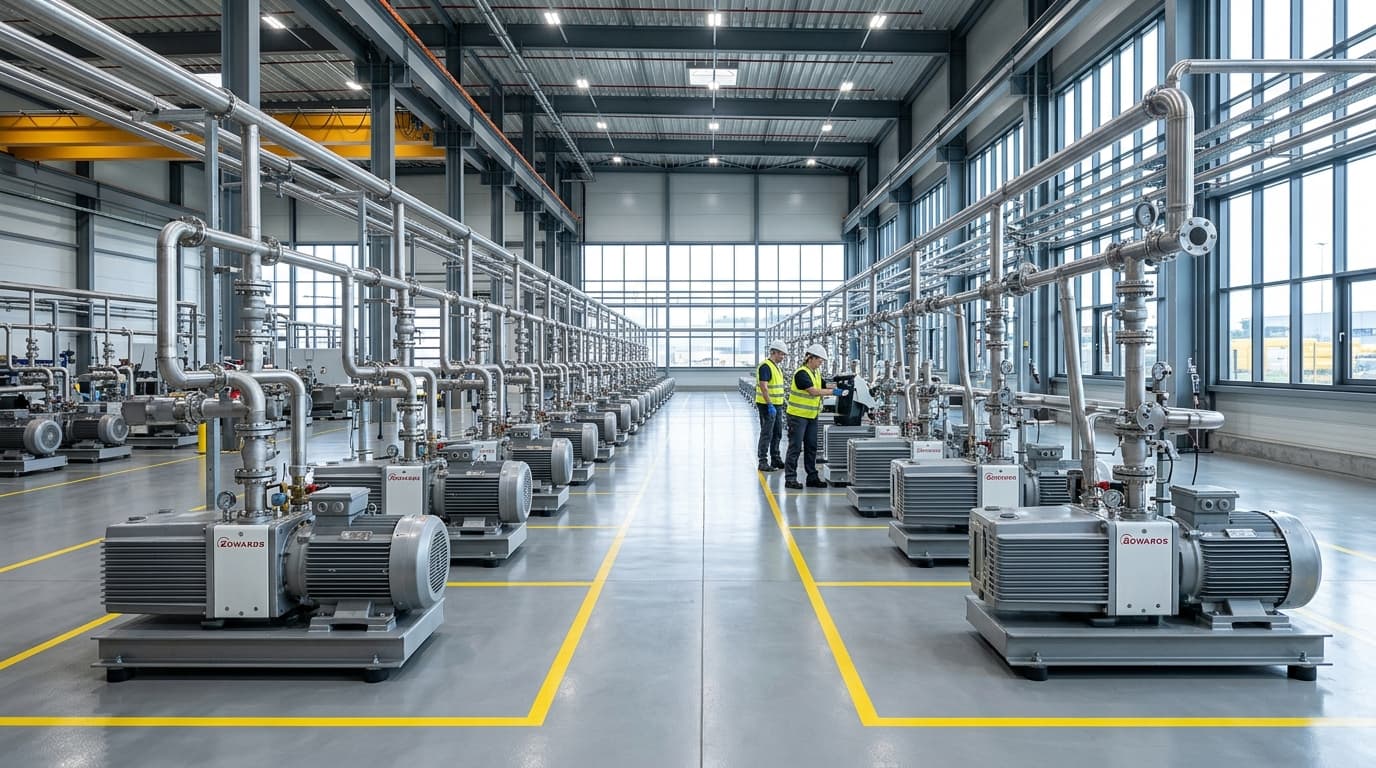
Industrial manufacturers are increasingly adopting dry vacuum pump technology to eliminate oil contamination and reduce maintenance requirements. Busch Vacuum Solutions has highlighted how these systems provide clean suction for sensitive sectors including food processing and semiconductor manufacturing. By removing the need for operating fluids in the compression chamber, these pumps prevent product spoilage and environmental hazards. This shift represents a significant change in how heavy industries manage their vacuum requirements and operational overhead.
Maintenance Efficiency and Mechanical Design
Dry vacuum pumps operate without oil or other liquids in the compression chamber, which simplifies the overall maintenance schedule. Traditional oil-lubricated pumps require regular fluid changes and filter replacements to maintain performance levels. In contrast, dry systems only need periodic checks of gear oil and bearings, often at intervals exceeding 20,000 hours.
The design of Busch Vacuum Solutions equipment focuses on reducing the total cost of ownership through these extended service windows. Companies can avoid the costs associated with purchasing, storing, and disposing of industrial oils. This reduction in waste also helps facilities meet stricter environmental regulations and sustainability targets.
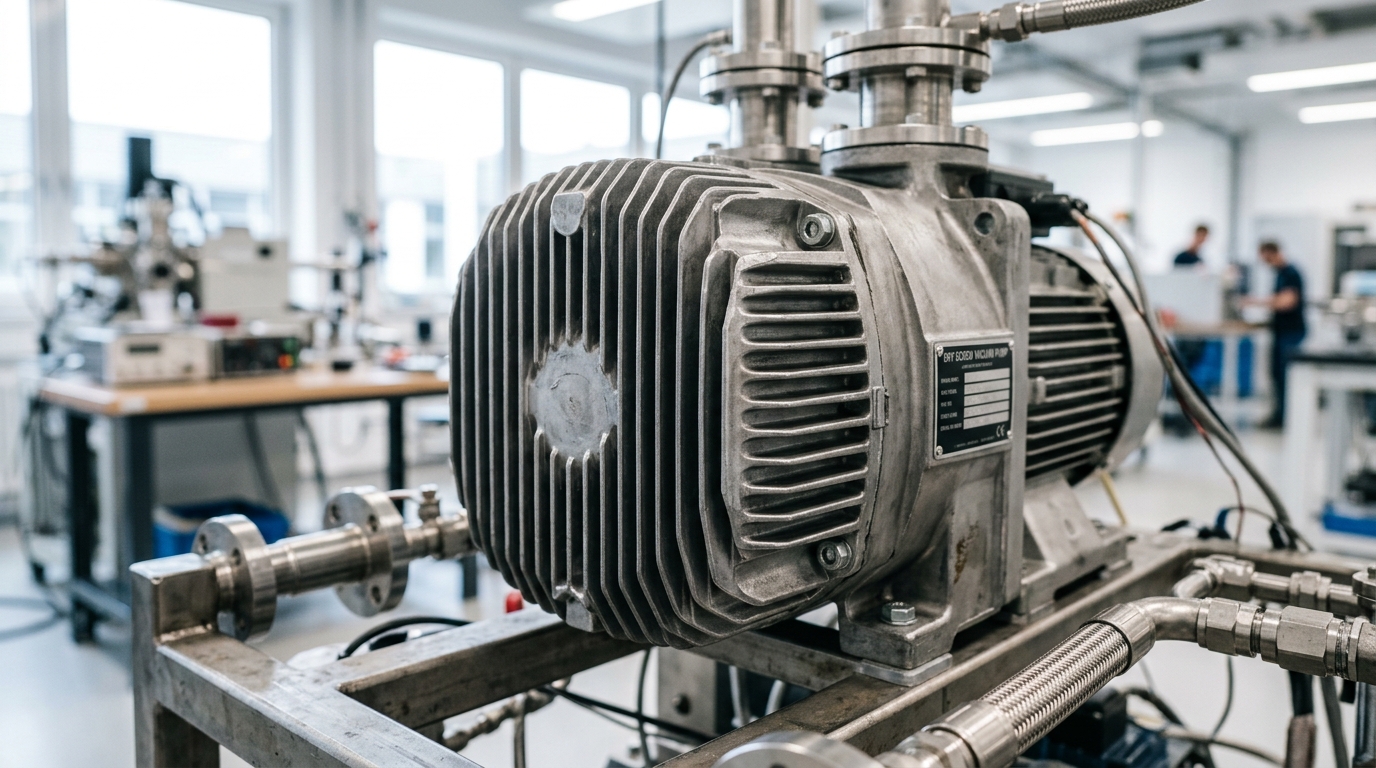
There are two primary mechanical principles used in these dry systems: claw and screw technology. Claw pumps use two rotating elements that do not touch each other or the housing, minimizing internal friction. Screw pumps utilize two screw-shaped rotors to move gas through the chamber, providing high efficiency for demanding industrial processes.
Heat management remains a primary factor in the design of these dry-running systems. Advanced cooling mechanisms ensure that the pumps maintain stable temperatures even during continuous high-load operations. This thermal stability prevents mechanical wear and extends the functional life of internal components like screws or claws.
"Dry vacuum pumps offer a clean and reliable solution for many applications where oil contamination is not acceptable."
— Uli Merkle, Head of Marketing Services at Busch Vacuum Solutions
Busch Outlines Benefits of Dry Vacuum Pump Technology
Industry-Specific Applications and Purity
The pharmaceutical and chemical industries require high levels of purity during production to ensure consumer safety. Dry vacuum technology prevents oil vapors from back-streaming into the process chamber and affecting sensitive chemical reactions. This level of cleanliness is vital for maintaining the integrity of active pharmaceutical ingredients and specialty chemicals.
In the food packaging sector, dry pumps provide a hygienic environment by eliminating the risk of oil mist in the air. This protects both the food products and the workers within the facility from potential contaminants. The ability to handle moist or corrosive gases without degrading the pump internals makes these units versatile for diverse processing needs.
Semiconductor manufacturers also rely on dry suction to prevent microscopic particles from damaging silicon wafers. The precise control offered by screw and claw designs allows for stable vacuum levels throughout complex manufacturing cycles. These technical advantages help modern factories maintain high yield rates and minimize product defects.
Environmental sustainability has become a priority for modern industrial facilities looking to reduce their carbon footprint. Dry pumps contribute to this goal by eliminating the disposal of used oil, which is classified as hazardous waste in many jurisdictions. Furthermore, the high mechanical efficiency of these units often results in lower electricity consumption compared to older vacuum technologies.
The transition toward dry vacuum technology reflects a broader industrial trend prioritizing cleanliness and mechanical simplicity. As energy costs and environmental standards continue to rise, the efficiency of oil-free systems becomes more attractive to global manufacturers. Busch Vacuum Solutions continues to adapt its product line to meet the demands of high-tech production environments. Future developments will likely focus on further reducing noise levels and integrating smart monitoring sensors for predictive maintenance.
Stay Ahead of the News
Get the latest business news and company spotlights delivered to your inbox. No spam, unsubscribe any time.