
At a Glance
- Market analysis projects steady expansion for the breaker manufacturing sector.
- Sustainability initiatives drive demand for advanced electrical infrastructure.
- Key industry players focus on efficiency and long-term asset management.
The global breaker manufacturing sector is positioned for a significant shift as new market analysis projects steady growth from 2026 through 2035. Industry data indicates that increasing urbanization and the modernization of electrical grids are primary catalysts for this expansion. Manufacturers are currently adapting to stricter regulatory standards regarding energy efficiency and safety. This transition reflects a broader industrial movement toward sustainable infrastructure and reliable power distribution systems worldwide.
Market Dynamics and Regional Growth Patterns
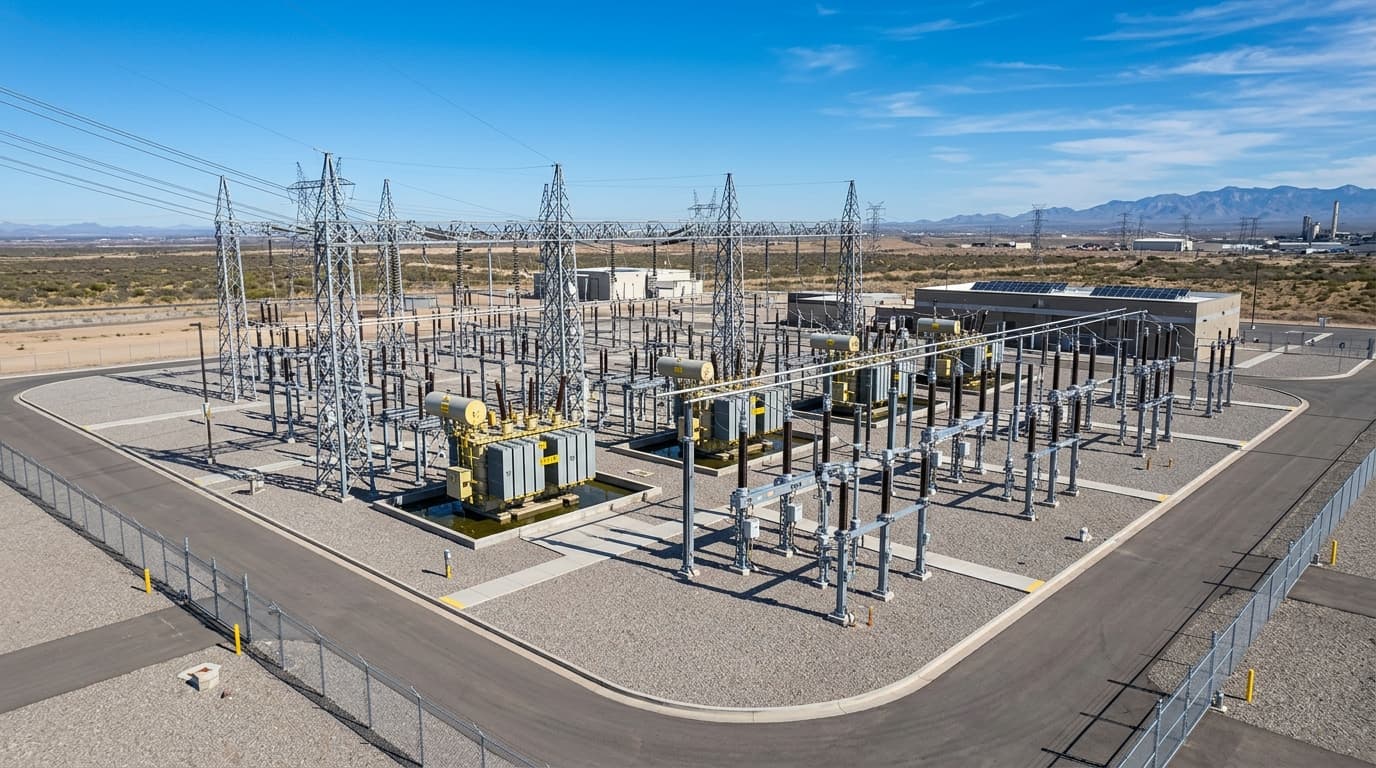
Demand for high-voltage circuit breakers is rising in emerging economies as they upgrade their aging power networks. North America and Europe maintain a steady replacement market, while the Asia-Pacific region leads in new installations. This geographic distribution creates a diverse set of opportunities for global manufacturers.
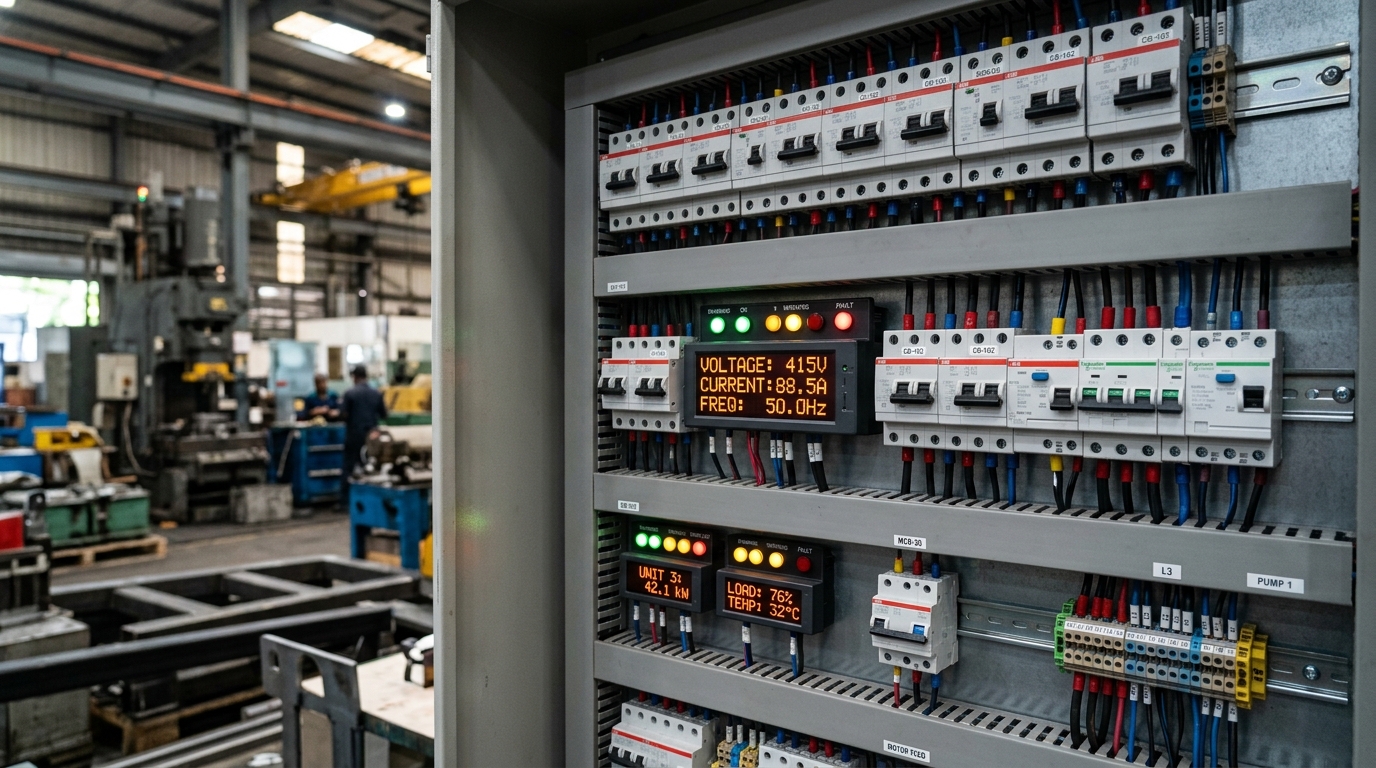
The research highlights that Evolve Business Intelligence identifies smart grid integration as a major factor in sector evolution. Digital monitoring tools are becoming standard features in modern breaker designs. These additions allow utility providers to monitor system health in real-time and prevent costly downtime.
Industrial automation also contributes to the increased requirement for specialized breaking equipment. Factories require precise control over electrical loads to protect sensitive machinery from surges. As manufacturing processes become more complex, the need for high-performance protection devices grows accordingly.
Private sector investment in data centers is another significant driver for the breaker market. These facilities require uninterrupted power supplies and sophisticated protection mechanisms to safeguard stored information. Rapid growth in cloud computing ensures a consistent pipeline of projects for equipment suppliers.
"The shift toward renewable energy integration requires a fundamental change in how we manage electrical protection. Our latest data suggests that manufacturers who prioritize sustainability and digital connectivity will capture the largest share of the market by 2035."
— Swapnil Jain, Lead Analyst at Evolve Business Intelligence
Technological Shifts and Material Advancements
Materials science plays a significant role in the development of the next generation of breakers. Engineers are testing new insulating gases and vacuum technologies to replace traditional sulfur hexafluoride. These changes aim to reduce the environmental impact of electrical hardware during its lifecycle.
Market share remains concentrated among a few major entities, but smaller specialized firms are gaining ground in niche applications. These smaller players often focus on specific industrial needs such as mining or marine environments. Competition is intensifying as companies vie for long-term government infrastructure contracts.
Supply chain stability remains a top priority for executives in the breaker manufacturing space. Raw material costs for copper and silver can fluctuate, impacting the final pricing of high-capacity units. Companies are investing in local production facilities to mitigate the risks of international logistics disruptions.
Regulatory bodies are implementing new mandates for carbon footprint reporting across the manufacturing sector. This pressure forces companies to audit their production methods and source more sustainable components. Manufacturers that successfully reduce their operational emissions may find a competitive advantage in public procurement processes.
Looking toward 2035, the breaker manufacturing sector appears resilient despite potential economic shifts. The integration of artificial intelligence for predictive maintenance will likely become the next standard for high-end equipment. As global energy consumption continues to rise, the necessity for reliable circuit protection ensures a stable future for the industry. Stakeholders should expect continued investment in green technologies and smarter grid solutions over the next decade.