

At a Glance
- Global market value to double from $11.18 billion in 2023.
- Rising chronic disease rates drive demand for wearable sensors.
- North America maintains its position as the dominant regional player.
The global bioelectronics market is on track to reach a valuation of $23.48 billion by 2030, according to a new report from HTF Market Intelligence. This growth represents a compound annual growth rate of 11.1% from its 2023 standing of $11.18 billion. Increasing prevalence of chronic conditions like cardiovascular disease and diabetes is pushing the demand for advanced monitoring and treatment systems. Healthcare providers are shifting toward personalized medicine, which relies heavily on electronic integration with biological systems.
Technological Drivers and Product Segments
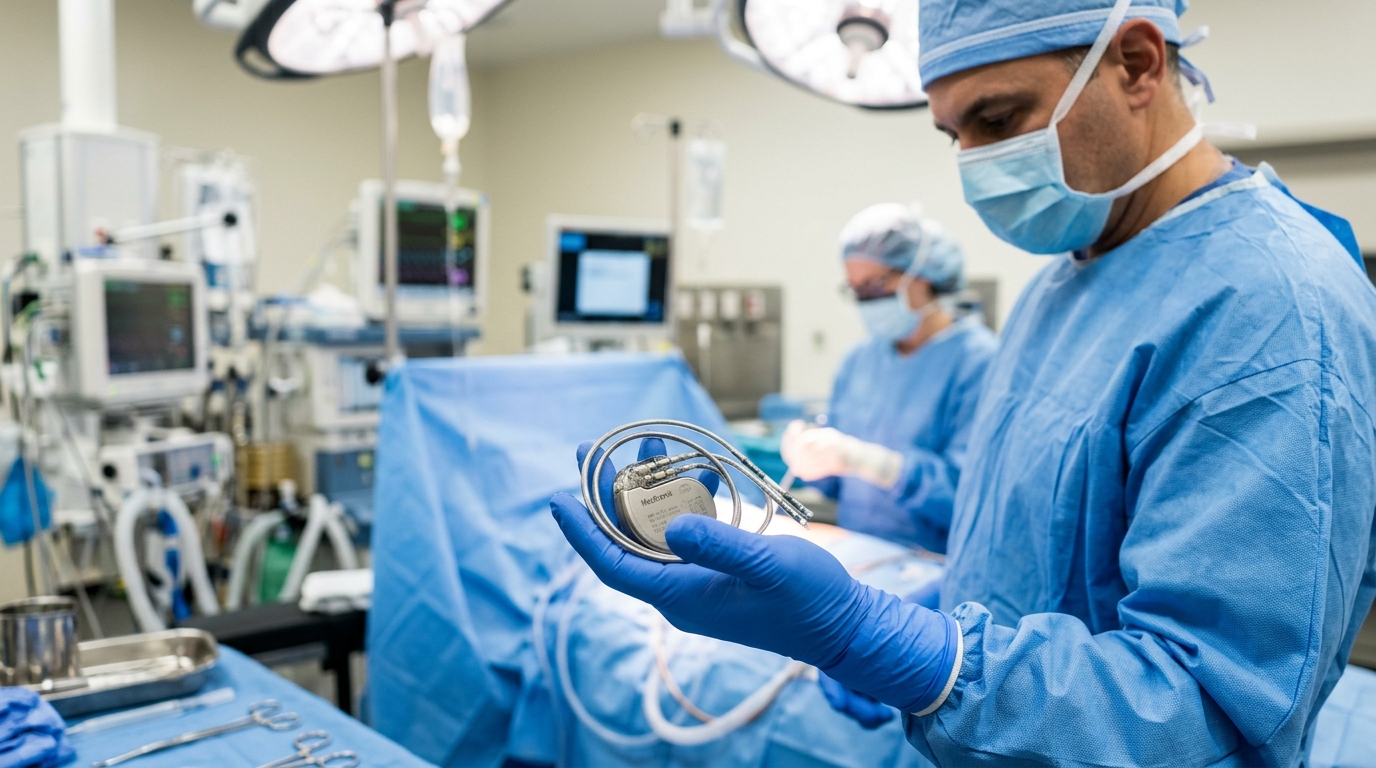
Bio-sensors and implantable devices form the backbone of this expanding sector. These tools allow for real-time tracking of physiological data, providing doctors with immediate insights into patient health. Cardiac pacemakers and electronic skin patches are becoming more sophisticated as battery life and wireless connectivity improve. Manufacturers are prioritizing smaller footprints to increase patient comfort during long-term use.
The integration of artificial intelligence into bioelectronics is another significant trend. AI algorithms process the vast amounts of data collected by sensors to predict medical emergencies before they occur. This predictive capability reduces hospital readmission rates and lowers overall healthcare costs for patients and insurers. It also allows for more precise adjustments to treatment plans without requiring frequent office visits.
Prosthetic devices are also evolving through the use of neural interfaces. These systems allow users to control artificial limbs using brain signals, mimicking natural movement more closely than previous generations of technology. Companies are investing heavily in research to improve the sensitivity of these interfaces. The goal is to provide a more natural experience for individuals with limb loss or mobility impairments.
Drug delivery systems represent a growing niche within the broader bioelectronics category. These automated devices release precise medication dosages based on real-time feedback from internal sensors. This method is particularly useful for managing hormone levels or pain medication in patients with chronic ailments. By automating this process, the risk of human error in dosing is significantly diminished.
"The integration of electronic components with biological systems is no longer a futuristic concept but a vital part of modern medical care. This shift is primarily fueled by the need for more accurate, real-time diagnostic tools that can be used outside of traditional hospital settings."
— Lead Analyst, HTF Market Intelligence
Regional Market Dynamics and Competitive Pressures
North America currently holds the largest share of the bioelectronics market due to its advanced medical infrastructure. High healthcare spending and early adoption of medical technology contribute to this dominance. Major industry players like Medtronic and Abbott Laboratories are headquartered in this region, facilitating rapid development and distribution. Local regulatory support also helps speed up the approval process for new medical devices.
The Asia-Pacific region is expected to witness the highest growth rate during the forecast period. Expanding middle-class populations in China and India are gaining better access to modern healthcare services. Government initiatives to improve medical device manufacturing are also attracting international investment into these emerging markets. These factors create a favorable environment for both local startups and global corporations.
Competition among top manufacturers is intensifying as companies seek to expand their intellectual property portfolios. Mergers and acquisitions are common as established firms look to acquire startups with specialized sensor technologies. This consolidation helps companies maintain market share while diversifying their product offerings across different medical specialties. Strategic partnerships between tech firms and medical device makers are also becoming more frequent.
Regulatory bodies are updating their frameworks to keep pace with these rapid technical shifts. Agencies like the FDA are implementing new pathways for digital health tools to reach the public faster. Clearer guidelines regarding data privacy and cybersecurity are also becoming a priority for manufacturers and regulators alike. Ensuring that patient data remains secure is essential for maintaining public trust in these connected devices.
Looking ahead, the bioelectronics sector will likely be defined by advancements in biocompatible materials. These materials reduce the risk of device rejection and extend the operational lifespan of implants. While regulatory hurdles and high development costs remain challenges, the potential for improved patient outcomes is substantial. The transition toward data-driven healthcare ensures that bioelectronics will remain a cornerstone of medical progress for the remainder of the decade.