
At a Glance
- Market expansion driven by high demand for lightweight materials.
- Electric vehicle growth accelerates the adoption of modular systems.
- Asia-Pacific region emerges as a dominant manufacturing hub.
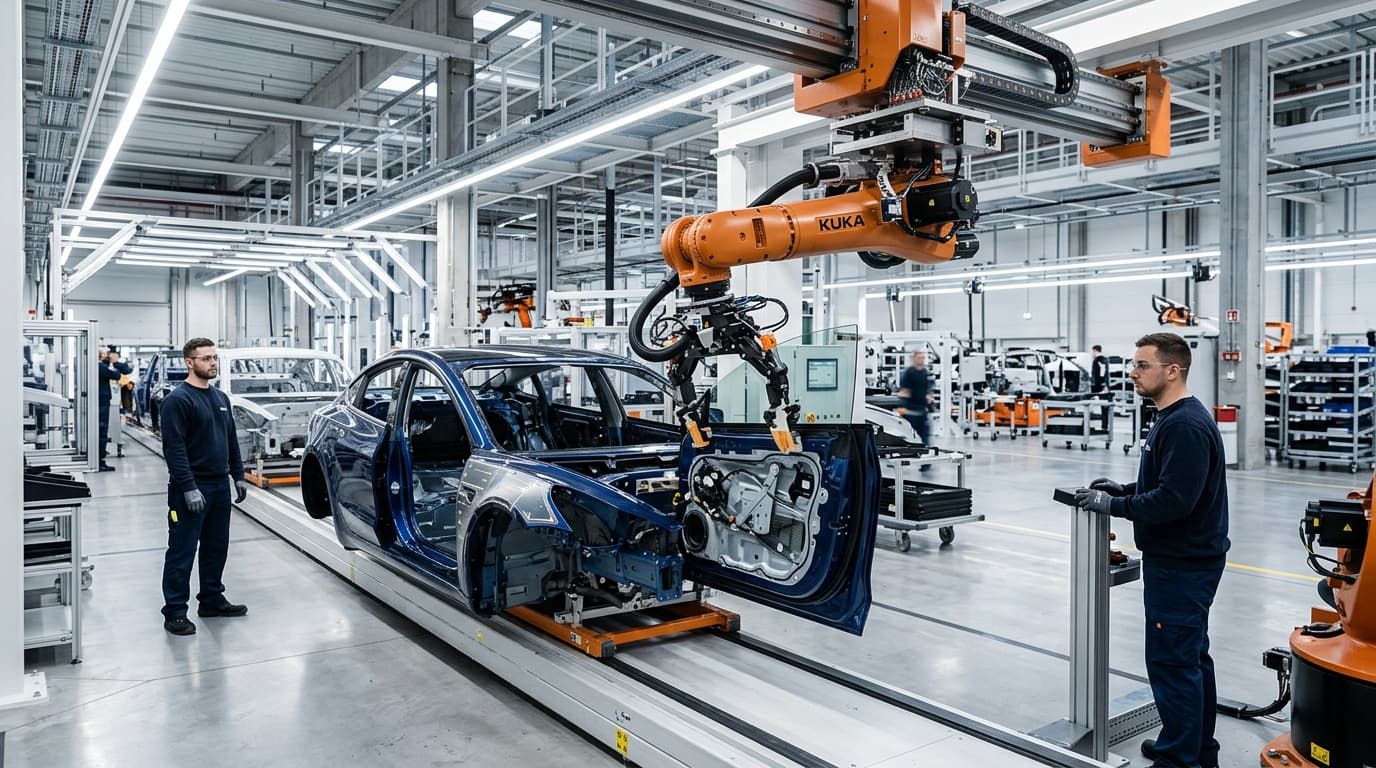
The global automotive door modules market is poised for significant expansion between 2026 and 2035, according to latest industry data. Manufacturers are increasingly integrating multiple functions into single modules to reduce assembly time and vehicle weight. This shift aligns with the broader automotive industry move toward electrification and enhanced passenger safety features. Current projections suggest that the market will see a steady compound annual growth rate as automakers modernize their production lines to meet new standards.
Technological Integration and Material Science
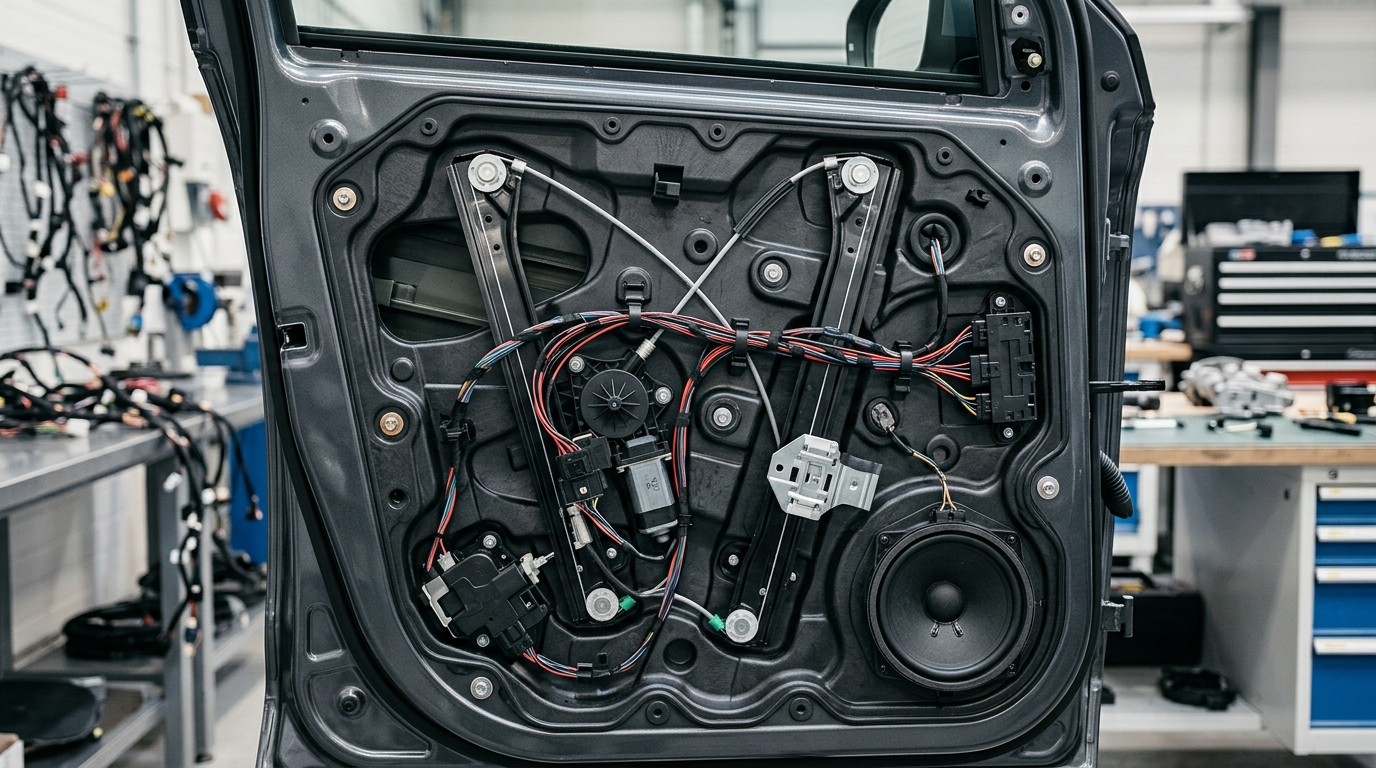
Modern door modules now incorporate window regulators, door locks, and electronic control units into a single carrier. This integration simplifies the manufacturing process for original equipment manufacturers by reducing the number of individual parts. By using advanced polymers and composites, companies can reduce the overall weight of the vehicle without sacrificing structural integrity. These developments help manufacturers meet strict fuel economy and emission standards set by international regulators.
The rise of electric vehicles has accelerated the adoption of these integrated systems across the globe. Every kilogram saved in vehicle weight contributes directly to increased battery range and improved performance. Consequently, Market Research Intellect reports that the demand for high-performance door modules is surging in North America and Europe. This trend is expected to continue as more consumers transition away from internal combustion engines.
Safety standards also play a significant role in the development of new door hardware and electronic components. Impact-resistant materials are being tested to ensure better protection during side-collision events for all passengers. These advancements are necessary to meet evolving regulatory requirements across different global markets. Engineers are focusing on designs that can absorb energy more effectively while maintaining a slim profile.
"The shift toward modular assembly is a direct response to the need for manufacturing efficiency and vehicle weight reduction. We expect the integration of smart sensors and lightweight materials to define the next decade of automotive door design."
— Steven Anthony, Lead Analyst at Market Research Intellect
Regional Growth and Competitive Dynamics
The Asia-Pacific region is expected to dominate the market share due to the high volume of vehicle production in China and India. Local manufacturers are investing in automation to keep up with the domestic demand for passenger cars. This regional growth is supported by government incentives for electric vehicle adoption and infrastructure development. Analysts predict that this area will remain the primary engine for market volume throughout the forecast period.
Established players like Magna International and Brose are expanding their production capacities in emerging markets to reduce logistics costs. These companies focus on developing cost-effective solutions that do not compromise on quality or safety standards. Strategic partnerships between module suppliers and car manufacturers are becoming more common to manage supply chain risks. Such collaborations allow for better alignment between component design and vehicle assembly requirements.
Competition in the sector is intensifying as new entrants from the electronics industry introduce advanced sensor technologies. These sensors enable features such as touchless entry and obstacle detection for power-operated doors. The fusion of traditional mechanical engineering with digital technology is reshaping the competitive field for all participants. Companies that fail to integrate electronic features may find themselves at a disadvantage in the luxury vehicle segment.
As the automotive industry transitions toward a more digital and electric future, the door module sector remains a vital component of vehicle architecture. The focus on sustainability and efficiency will likely drive further changes in material selection and assembly techniques through 2035. Stakeholders must remain adaptable to keep pace with rapid technological changes and shifting consumer preferences. The coming decade will prove decisive for companies that can balance cost-efficiency with high-tech integration in their product offerings.