
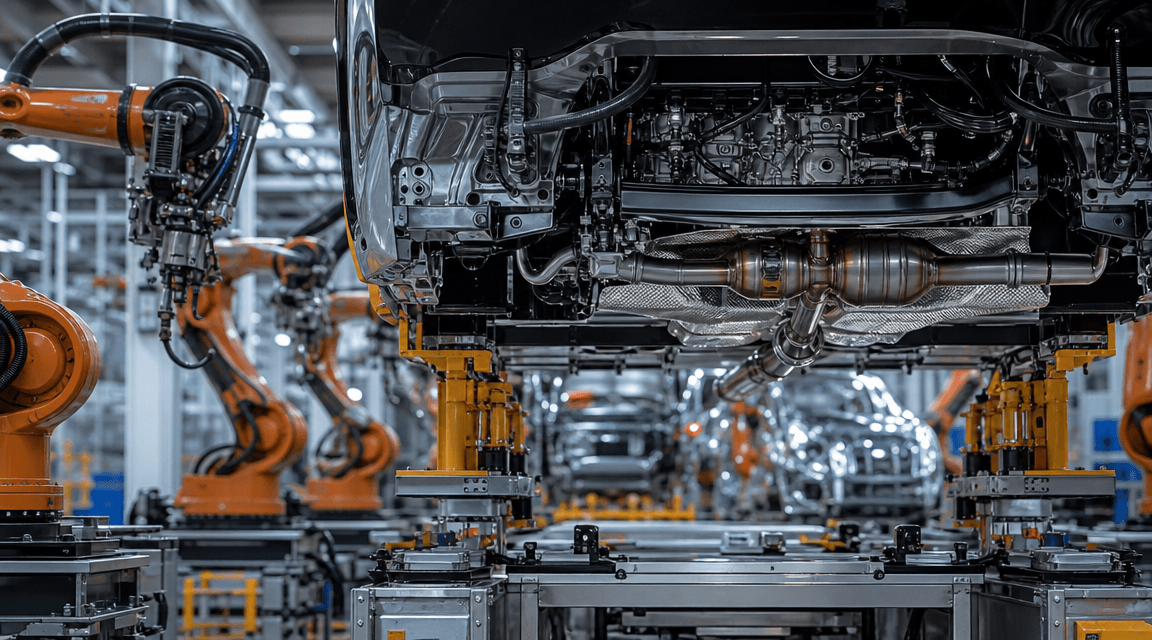
At a Glance
- Global automotive exhaust gas aftertreatment market projected to reach US$ 25.3 billion by 2033.
- Stricter emission regulations and rising vehicle production are primary growth drivers.
- East Asia leads the market in value, while Europe shows the highest growth rate.
The global market for automotive exhaust gas aftertreatment systems is set for significant expansion, with a new report from Future Market Insights (FMI) projecting its value to nearly double over the next decade. Valued at US$ 10.9 billion in 2023, the market is anticipated to reach US$ 25.3 billion by 2033, demonstrating a robust Compound Annual Growth Rate (CAGR) of 8.7%. This growth is primarily fueled by increasing environmental concerns and the implementation of more stringent emission standards worldwide.
Driving Factors and Market Segmentation
The market's upward trajectory is largely attributed to several key factors. Stricter emission regulations, such as Euro 6 and EPA standards, imposed by governments globally compel vehicle manufacturers to integrate advanced aftertreatment technologies into their new models. Additionally, the continuous increase in global vehicle production, particularly in rapidly industrializing economies, contributes significantly to the demand for these essential systems.
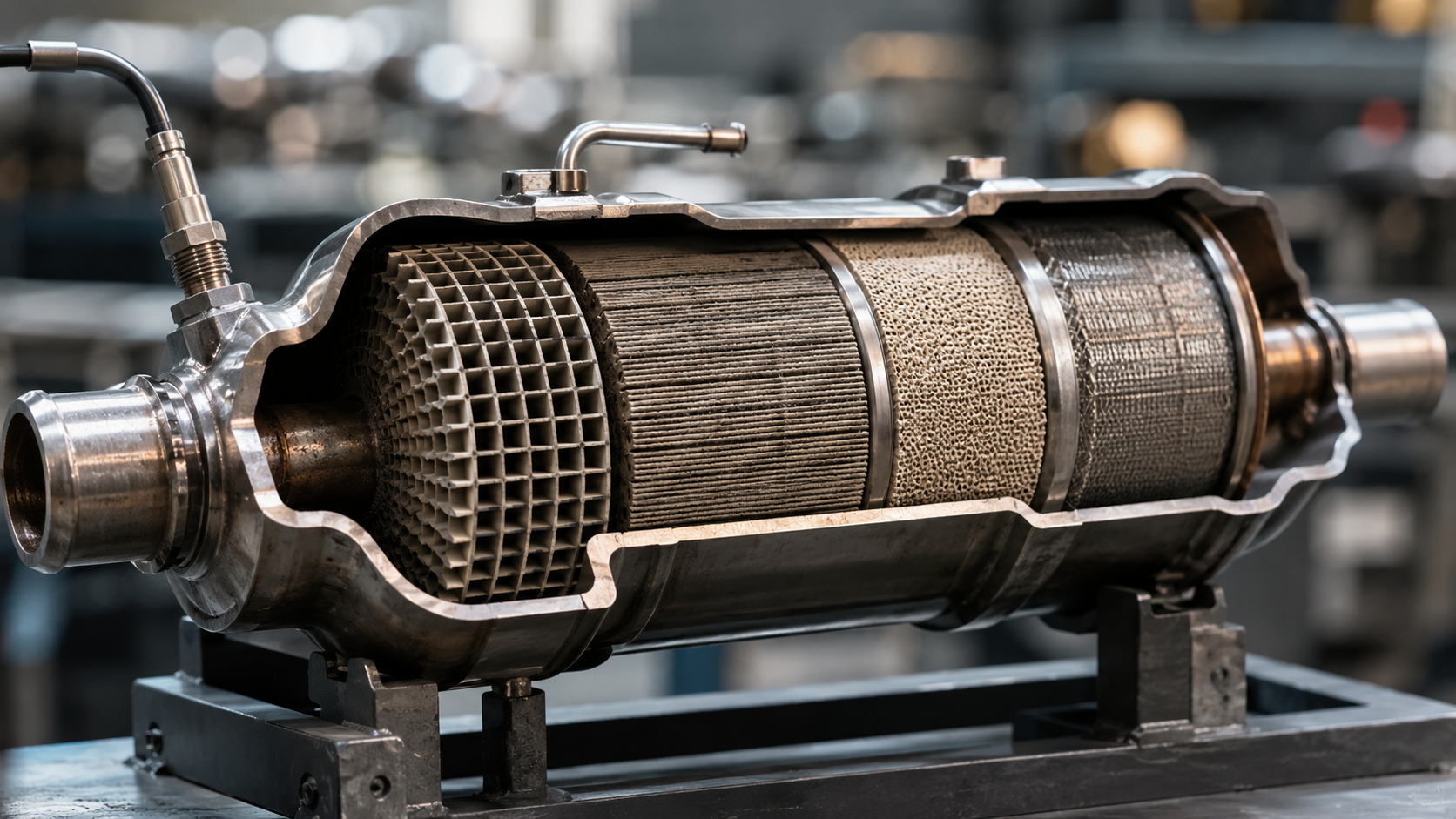
Technological advancements in aftertreatment solutions, including more efficient catalytic converters and particulate filters, are playing a pivotal role in market expansion. The growing consumer preference for vehicles that offer both fuel efficiency and reduced environmental impact further stimulates demand. These combined forces create a sustained need for sophisticated exhaust gas treatment systems across various vehicle categories.
The market is segmented extensively by product type, vehicle type, and fuel type. Selective Catalytic Reduction (SCR) systems currently dominate the product type segment, primarily due to their superior effectiveness in reducing harmful nitrogen oxide (NOx) emissions from diesel engines. Diesel Oxidation Catalyst (DOC) and Diesel Particulate Filter (DPF) systems also hold significant shares, addressing other key pollutants.
Passenger cars currently hold the largest share within the vehicle type category, reflecting the high volume of production and sales in this segment worldwide. However, the adoption of aftertreatment systems in light commercial vehicles (LCVs) and heavy commercial vehicles (HCVs) is also substantial, driven by strict regulations for commercial transport. The off-highway vehicle segment presents a growing niche for specialized aftertreatment solutions.
Diesel-powered vehicles currently account for the majority of the market share by fuel type, particularly in the commercial and heavy-duty sectors. This dominance is expected to persist for the foreseeable future. However, the increasing adoption of gasoline particulate filters (GPF) indicates a significant trend towards broader application of aftertreatment across gasoline-powered vehicles, driven by new emission standards.
"The automotive exhaust gas aftertreatment market is experiencing substantial growth due to increasing environmental concerns and stricter emission regulations worldwide. This growth is further propelled by technological advancements and the rising demand for fuel-efficient and low-emission vehicles. As the industry moves towards sustainable transportation, the role of aftertreatment systems becomes increasingly vital."
— Lead Analyst, Future Market Insights
Regional Dynamics and Competitive Landscape
Geographically, East Asia currently accounts for the largest share of the automotive exhaust gas aftertreatment market value. This leadership is primarily driven by the region's immense automotive manufacturing capabilities, alongside rapidly expanding vehicle fleets in major economies like China, Japan, and South Korea. The strong regulatory push for cleaner air quality in these nations further fuels the widespread adoption of advanced aftertreatment technologies.
Europe is projected to exhibit the highest Compound Annual Growth Rate (CAGR) during the forecast period, reflecting its proactive stance on environmental protection. This accelerated growth is primarily due to the region's early and aggressive adoption of stringent Euro emission standards and a deep-rooted focus on environmental sustainability. Government incentives and robust consumer demand for cleaner vehicles also contribute significantly to this trend.
The competitive landscape features several prominent players striving for market leadership through continuous product development and strategic partnerships. Key companies include BASF SE, Johnson Matthey, Umicore, Clean Diesel Technologies Inc., and Tenneco Inc., among others. These manufacturers are intensely focused on developing more efficient, durable, and cost-effective aftertreatment solutions to meet evolving regulatory requirements and diverse market demands globally.
Opportunities for market players are emerging from several directions, including the expanding hybrid and electric vehicle markets, which often still require specific aftertreatment components for their internal combustion engine aspects. Additionally, advancements in alternative fuel technologies and the retrofitting of older vehicles present further avenues for growth. Continued investment in research and development remains critical for companies to maintain their competitive edge and adapt to future industry shifts. For more detailed market insights, interested parties can refer to the latest analysis from Future Market Insights.
The automotive exhaust gas aftertreatment market is poised for sustained growth, driven by an interplay of regulatory pressures, technological advancements, and increasing environmental awareness. While challenges such as high costs and integration complexities exist, the imperative for cleaner air and sustainable transportation ensures the continued evolution and adoption of these essential systems. Industry stakeholders are focused on innovation to deliver more efficient and affordable solutions, contributing to a greener future for the automotive sector.